When you have grown up in a dysfunctional family home, with parents who weren’t able to meet you emotional needs and teach you healthy skills in relating to others, you will notice in adulthood that it takes you awhile to figure out how to heal.
In order to start healing you must first acknowledge that you actually had relational trauma. Some people unfortunately never become aware of this trauma and how it affects them and others find out very late in life.
The earlier you become aware, the better!
My new video talks about one of the biggest regrets I have heard my clients share with me about their healing journey.
Talking about childhood trauma can feel overwhelming, especially when opening up to a friend for the first time. How do we explore sharing our story in a way that feels safe and empowering, while also setting boundaries and managing expectations? How do we prepare ourselves for possibly being let down and invalidated by the person we tell?
Talking about something so difficult will never come easy to us, because safety was compromised in our childhood. Sharing the full range of our emotions, wasn’t acceptable and we may have been punished or invalidated a lot. That is why this feels scary and trust doesn’t come easy to us.
The first step to consider, could be to assess our friendship so far with the person we want to tell. Test the waters, so to speak.
Do we feel safe in their presence and can we truly be ourselves with this person?
Does this person listen to us empathetically?
Will we feel relieved by telling a (safe) friend about our trauma?
What will we do if they don’t respond in a validating way? Have there been any instances in the past where they may have invalidated us?
These are all good questions we can ask ourselves.
A safe person or ‘friend’ is one that listens and validates our experience, by saying something like ‘I am sorry to hear you went through that’.
In the above video, I talk about this tricky topic in a little more detail, so please watch it or share it if you think it will help someone.
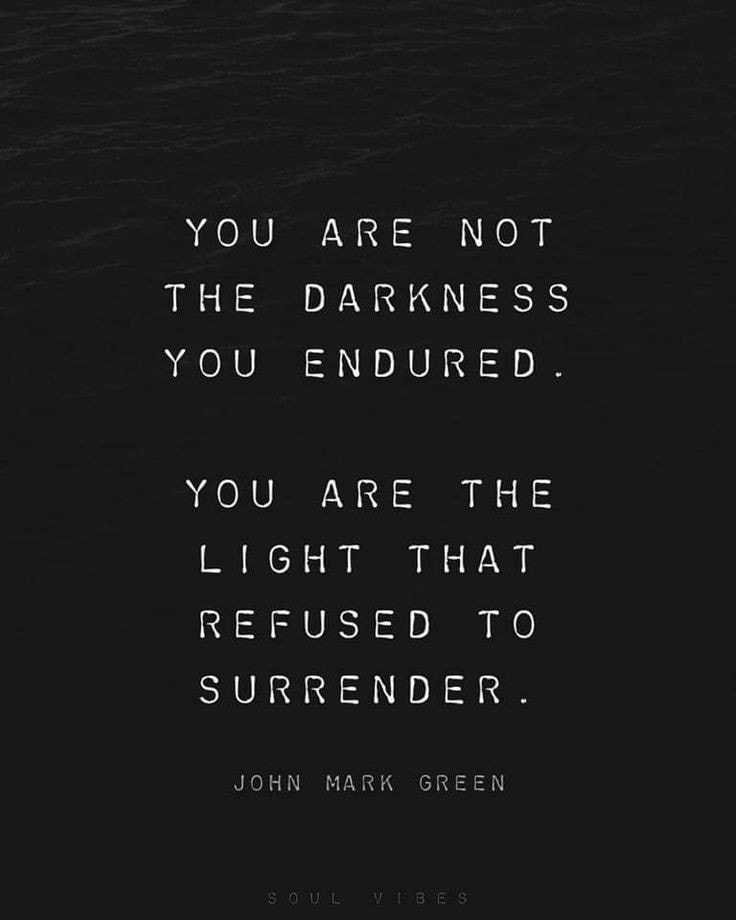
‘You are the light that refused to surrender’ is a wonderful way to look at your healing journey after experiencing trauma.
If you, like me, have a history of trauma, you will be very familiar with the ups and downs of living with CPTSD. For me personally, having hope in my lowest moments, was the 1 thing that kept me going when things truly felt hopeless.
Having hope means that you allow yourself to believe that the day WILL come where you WILL feel better, where things will feel less scary, less isolating and less depressing.
It’s important to never stop hoping when things get tough and to allow yourself to embrace that feeling wholeheartedly.
Practicing gratitude is also extremely important for improving mental health. Be grateful for any tiny steps of progress you make, even if you managed to do 1 additional thing today that you didn’t manage to do the day before.
Living with mental illness is never easy but it can be manageable. Living with mental illness means that you might have to constantly make adjustments to the way you live your life, in order to feel better.These adjustments may look like the following: Changing your diet, adding more exercise to your daily routine, cutting out sugar, moving to the countryside, ending a relationship, leaving a stressful job, practicing meditation, seeking out support from a specialised therapist, going on a retreat, taking supplements and/or using medication. Each journey with mental illness is unique so what might work for one person may not necessarily work for another. Try things out, see what works and go from there.
Darkness may have been a big part of your past and may still creep up on you in the present. This is realistic as life can be tough even when you don’t live with a mental illness.The only way through this darkness however is to find the light. The light could be anything: a therapist, a close friend, a partner, a beloved pet, being in nature, a safe space, art, music or anything else that brings you comfort.
Most importantly however, you must try and find the light within yourself, within your heart and soul.
In those moments of relentless anxiety, depression or emotional flashbacks, love yourself unconditionally. Take yourself by the hand, like you would a small child and tell yourself ‘ I’ve got you, you are not alone’… ‘ I am there for you, unconditionally’.
If you are having a tough day, then I hope this post helps a little.

 couragecoaching.net