
On the 21st of August, I sadly had to euthanise my beloved 8 year old dachshund. It all happened within 24 hours and it came out of nowhere. She collapsed after vomiting and we rushed her to the emergency vet hospital. They stabilised her over night, they did an x-ray and ultrasound and the only thing they could see initially was a little liquid in her ovaries which means she may have had the early signs of an infection.
The next morning, they called us and told us she was doing better and even managed a tiny walk. They said they would do a routine spaying operation just to be on the safe side and then she would be home with us in the evening.
A few hours later, after waiting in suspense to hear back from the vet, we got a phone call to say that they needed permission to take more blood, as she was showing unfavourable neurological issues. Unfortunately, the blood test showed high inflammation in her little body, severe anemia and essentially her body was shutting down. Her blood was no longer clotting so they couldn’t operate anymore. She had also had an aneurysm and we were told that the kindest thing we could do was euthanise her. The vet suspected that her body was shutting down due to a tick borne disease which is hard to spot and progresses rapidly. Even though she had been on anti-tick medication, the vet said it is not reliable in preventing disease.
This was an incredible shock, especially after we thought she was coming home to us. Our gorgeous little Daola, was the light of our life, our best friend and our emotional support. For 8 wonderful years, she filled our life with such joy, comfort and unconditional love.
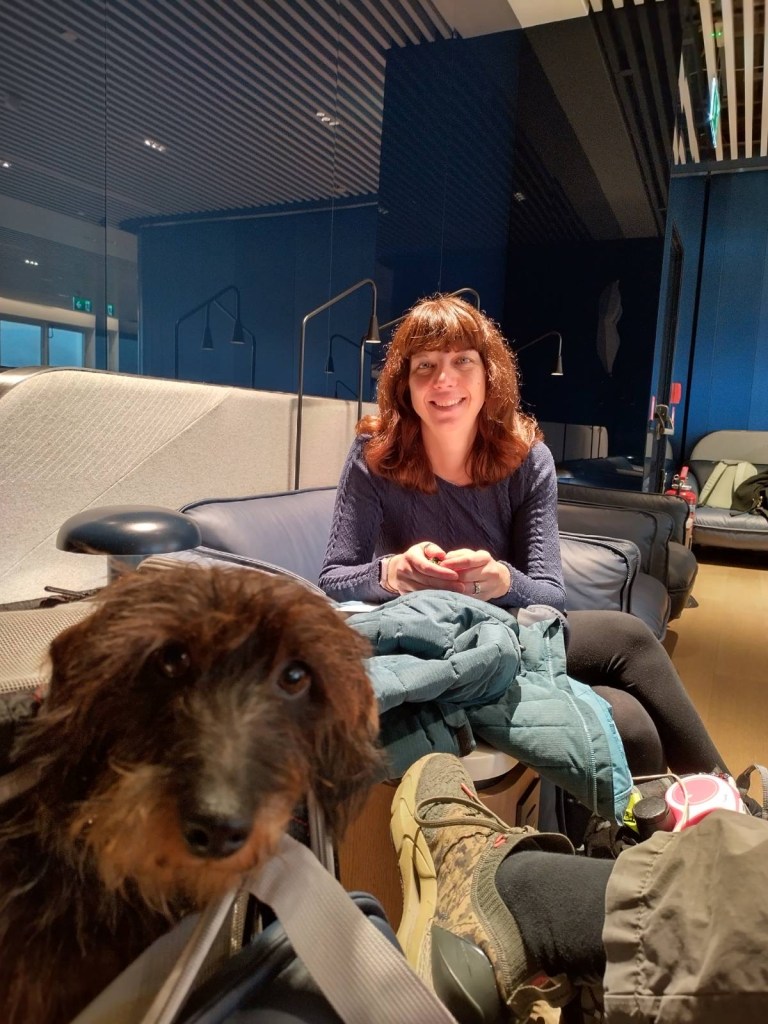
Losing a pet when you also live with CPTSD, is incredibly hard, especially because you already struggle so much with regulating your emotions, self-soothing and hyper vigilance. As someone who lives with this myself, I have had a solid couple of weeks of increased anxiety alongside my grief for my little girl.
It is important to understand that an unexpected death, whether this is a pet or a person, is very hard to navigate. The circumstances may even be traumatic, so when you already live with trauma, your body and mind need time to adjust.
The loss is profound, so the sadness and despair you may feel is completely normal under the circumstances. The stronger the bond and attachment you had to your pet, the stronger the grief and the longer it may take for the intensity of those feelings to subside.
It has been nearly 3 weeks since I lost my gorgeous dog and the grief is still intense. Life feels dull and being at home feels very empty. I am allowing myself to cry and think of her and I am resting as much as possible where I can. Grief can be exhausting, so it is important to practice good self-care.
Many emotions have been present through my grief journey such as guilt, anger, despair and many ‘What if’s’. What if I had gone to the vet earlier? What if I had noticed the signs sooner? All emotions are valid. We try to make sense of the shock and instead of feeling helpless, we try to fill our minds with thoughts that distract us from feeling the pain. This doesn’t work however. Our pet is gone and there is nothing we can do to bring them back. We must grieve that loss and the deep love we felt. The only way to grieve in a healthy way, is through acceptance that they are gone.

 couragecoaching.net