
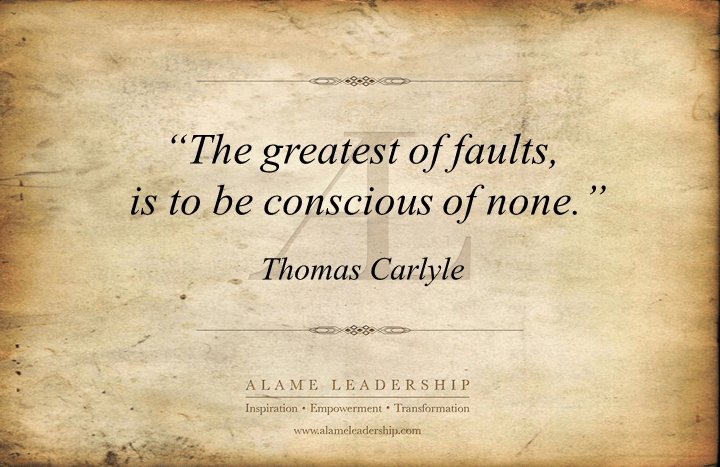
The importance of self-reflection & self-awareness

69125-quotes-about-self-reflection

This quote speaks to me in so many ways..

Through coaching, I aim to guide people find their answers through enabling them to self-reflect on where they are at currently and where they want to be. Self-reflection is very important in the process of change, as is persistence (which I talked about in this previous blog post- The importance of persistence).

The driving force behind change, is when an individual is able to look at their current life and notice that there is something negative popping up for them. If we feel negative or sad about something, then this can be the one thing that pushes us to make lasting change. If we don’t have self-awareness however, we remain stuck in a sad or negative existence and just keep repeating the same mistakes or habits over and over again.

As a survivor of complex trauma, I luckily became self-aware from a young age. I noticed I was struggling more than other children at school and had really low confidence. I found it very difficult to focus on school work the older I got and when I hit 15 I was already very depressed.I used art & poetry as a way to self-soothe and manage my emotional pain and luckily sought therapy when I was 17.

Over the years, with extensive therapy, I learned to tap into my emotional self-awareness even more. I continued to question my choices and behaviours and realised that actually it wasn’t my fault I was so sensitive and depressed but actually that my parents were both narcissistic, specifically with NPD. I was diagnosed at 29 as having Complex Post Traumatic stress and was told by my therapist that I was incredibly resilient and able to self-reflect a lot more than most of her clients. I left the session that day happy to be someone with self-awareness and wouldn’t change this for the world!

Self-awareness is incredibly hard for people with NPD, as well as the ability to feel empathy for others. When a healthy individual hurts others and causes them distress, they usually genuinely apologise and try to make a change for the better. For people that are aware of their actions, of their flaws, are sensitive to their body sensations, sensitive to their health and are also able to make sensible choices, change comes more easily.

What are your thoughts? How destructive have you found people that lack self-awareness?What difficulties have you had? Are their times when it took you a few failed attempts to finally have an epiphany about an unhelpful behaviour you may have had?

Thanks for reading

Much love Athina ♥

© All blog posts and images are owned by me and Courage Coaching. Please don’t use without consent and only re-blog if you would like to use the information on here.
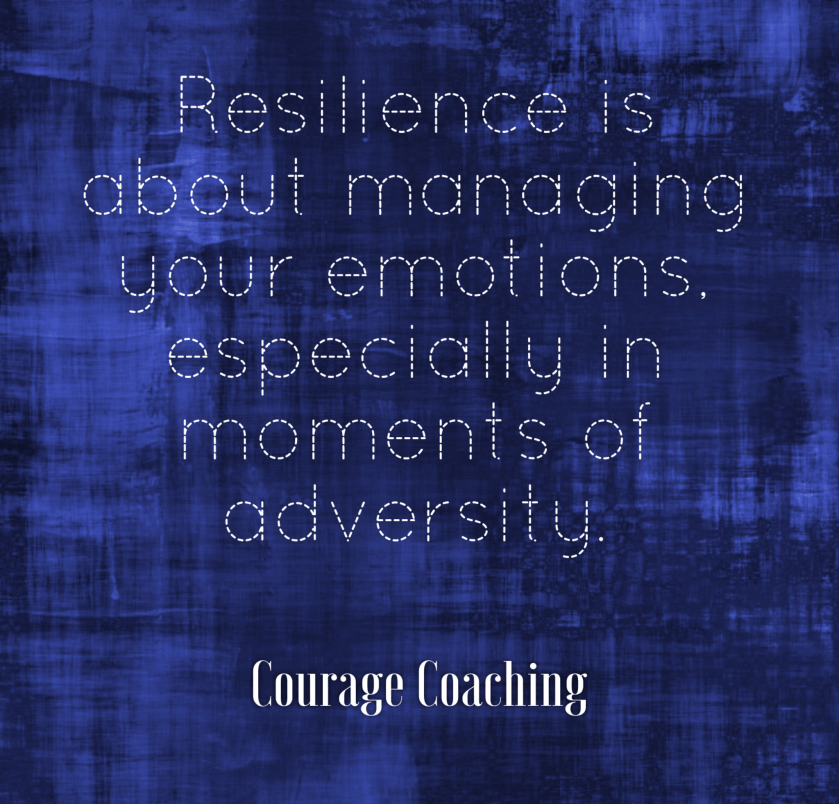
 

The importance of resilience

FontCandy (36)

So what is resilience and is it common?

Resilience can be defined as an individual’s ability to properly adapt to stress and adversity. It is about an individual’s ability to manage difficult emotions that arise in times of difficulty, without supressing them.

Research shows that resilience is actually more common, than uncommon, as life has many ups and downs and people are having to adapt all the time to many difficult situations.

A person’s attitude is the most important element of having resilience. If someone generally has a negative thinking style, this is not helpful to having resilience.

There are a few many important attributes associated with resilience:

  • The capacity to make realistic plans and take steps to carry them out.
  • A positive and self-accepting view of yourself and confidence in your strengths and abilities.
  • Skills in communication and problem solving.
  • The capacity to manage strong feelings and impulses without complaining about any struggles or falling into self-pity when setbacks arise.
  • Adaptability-The ability to act flexibly in changing or challenging circumstances.
  • Asking for support or accepting support from others. Positive, supportive relationships are key to coping in tough times.
  • Having humour- Finding light moments in depressing times can sometimes help lift the mood.
  • Being aware of unhealthy thoughts that may pop up and don’t benefit you in times of adversity.

Now that you are aware of what makes someone resilient, what happens when you need to develop more resilience? What steps could you take?

Here are a few things to keep in mind:

  • Take care of yourself and treat yourself with respect, comfort & acceptance.
  • Try and be hopeful for the future no matter what the current circumstances. A positive outlook is very important.
  • Ask for support from friends or family
  • Look for opportunities of self-discovery. Adversity isn’t obviously welcomed but if something negative happens, look at how you handle it and learn something about yourself.
  • Accept that change is part of living
  • Make decisions or take actions when confronted with a difficult situation. Don’t avoid it!
  • Set small goals that are easy for you to reach. It doesn’t matter how small. The more you achieve, the better you will feel
  • If you are spiritual, use your faith to support you.Prayer or meditation can be very helpful
  • Journaling, blogging, art therapy or other therapies can also be useful in developing resilience.

I would love to hear your thoughts on resilience. Is there anything in particular that happened which improved your resilience? Do you think you are resilient or do you think you could develop better resilience?

♥ Athina

© All blog posts and images are owned by me and Courage Coaching. Please don’t use without consent and only re-blog if you would like to use the information on here.