If you hate being the center of attention and constantly worry about what people are saying about you, then you may have what is known as the spotlight effect, a term coined by social psychologists.
The spotlight effect is a cognitive bias and it refers to the tendency to overestimate how much other people notice about us.
If you have social anxiety, then you most likely also struggle with the spotlight effect.
The spotlight effect can be detrimental to living your life fully, as it holds you back from allowing yourself to be ‘seen’ by others.
Watch the video to find out more and please feel free to share your experiences in the comments.
For one to one coaching, please feel free to email me at: courageisallyouneed@gmail.com
Have you heard of echoism? Echoism isn’t commonly talked about but is very real and a lot of individuals who have suffered narcissistic abuse in childhood actually live with it.
Echoism is very common with individuals who live with Avoidant Personality Disorder or who have many avoidant traits. Echoists find it extremely uncomfortable being the centre of attention.
2023 is finally upon us and it is common for some of us to have plans for a fresh start in one or two areas of our life. This could be to tackle our health, our mental health, a change of job, or to end a relationship that no longer serves us. It could also be a new beginning in terms of getting married, moving home or starting a family. It all depends on how fortunate we are, what part of the world we live in, how blessed we are to have safety, family, a job or even the freedom to live as we wish.
Survival in this world is tough when we don’t have the means, the support system, the education, a good start in life, good health and loving people around us. Leaving our comfort zone can be very scary when we don’t have some of these needs met.
War is still driving so many families to seek refuge in unfamiliar territory and for those who choose to stay, they are faced with daily uncertainty, fear and loss. Why is one human life more important than another? It is such a cruel world we live in yet many of us still want to bring children into it to satisfy our personal needs of being parents.
In my lifetime so far, I have encountered so much abuse, neglect and nastiness from people that it has been truly disheartening to believe in the good of humans. There is so much inequality, unfairness and immorality. Humans keep making the same mistakes, hurting each other, themselves and other beings. There is generational trauma with no end in sight.
How do you cope in a world with such emotional complexity when you are a highly sensitive person (HSP) or empath?
As one myself, I truly find solace in the little things and my daily routines. I avoid watching the news, aspire to filling my day with uplifting rituals and by cocooning myself and my family within our own little bubble, I feel completely at peace, safe and content. By practicing gratitude for the things I am blessed with, I find joy in being alive. By supporting and helping others, I feel a sense of reward. When I encounter people who are strong, compassionate and generous, despite the fact that they may have had it tough in their lives, I feel hopeful.
Humans can also be wonderful, caring & brilliant souls that inspire others and bring positivity into the world. I would rather surround myself with these types of humans and have a smaller social circle rather than subject myself to energy vampires or narcissists. There will always be good and bad and a mixture of both. Not everyone is our ‘cup of tea’ and not everyone will contribute to our life in a way that is fulfilling.
How do you cope in this world as a HSP or empath?
How do you deal with the rollercoaster of emotions that hit you when you are overstimulated by the injustice and wrongs in your environment?
What is your experience?
If you relate to this post, then feel free to share your experience in the comments below.
There are countless times in my own personal life, where my own vulnerability got me into trouble.
At times where all I wanted was genuine comfort & love, I met people who took advantage of my vulnerable state of mind. Those people in particular had narcissistic traits and I only realised this of course when it was a little too late!
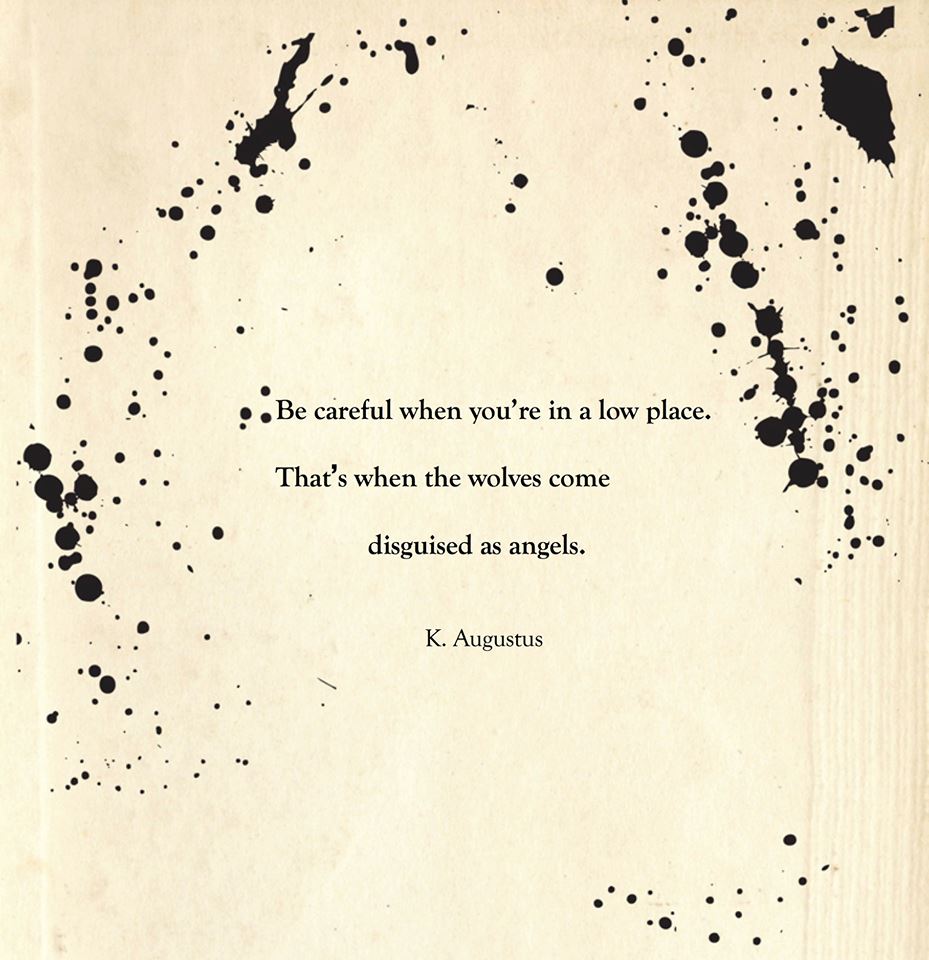
If you are in the middle of grieving, or fresh out of a bad relationship, be sure to tread carefully.
If you grew up in a dysfunctional home and now live with Complex PTSD, then you will always be vulnerable to the wrong person. Unless you have had a chance to work through your childhood trauma and come out of therapy healthier, choosing the wrong people to associate with, will be familiar but dangerous.
The trauma bond is what makes survivors of abuse more susceptible to predators in sheep’s clothing. Especially when it comes to romantic interests or intimate encounters.
A lot of survivors of abuse will settle for sex when in reality they really want love and a sense of acceptance.
Narcissists are experts at hiding their true colours at the beginning. They are also attracted to empaths & sensitive people like magnets.
If you have had an experience like this that has affected you, then please feel free to share it in the comments below.
Feel free to re-blog this post, if you think it will help others.
When you have grown up in a dysfunctional narcissistic home, taking on others’ emotions becomes the norm. Narcissistic parents teach their children to cater to their feelings & moods and the child learns to ignore their own emotions.
The following statements from his book, can help you identify whether you struggle with taking on others’ emotions and neglecting your own.
Answer with “never,” “seldom,” “occasionally,” “often,” or “usually.”
I feel as if my happiness depends on other people.
I would rather attend to others than attend to myself.
I spend my time and energy helping others so much that I neglect my own wants and needs.
I tend to take on the moods of people close to me.
I am overly sensitive to criticism.
I tend to get “caught up” in other people’s problems.
I feel responsible for other people’s feelings.
If you reply mostly with ”often” or ”usually”, then this is something you should consider getting support for. This means that you are extremely affected by the emotions & moods of those around you and aren’t able to focus on your own needs first.
If this is something you relate to and need support for, then please leave a comment below.


 couragecoaching.net