NEW online support group for daughters & sons of narcissistic mothers

If you struggle with symptoms of trauma, with feeling isolated on your healing journey and with feelings of shame or low self-worth, then this support group will help you! 

Growing up with a narcissistic mother can leave deep wounds — confusion, guilt, low self-worth, and complex grief. This safe online support group is here for adult children recovering from narcissistic maternal abuse, offering understanding, validation, and tools for healing.

💜 What you’ll find here:

  • A safe, judgment-free space to share your story
  • Connection with others who truly “get it”
  • Support for breaking cycles of guilt, shame, and gaslighting
  • Gentle strategies for boundaries, self-care, and inner healing

There will be two 90min online video calls per month with a maximum of 8 people. 

This will be a closed support group which fosters a safe, confidential and deeper level of intimacy and trust among members. 

This means that the same people only will be a part of this group, without any new people joining. 

Talking to others in support groups reduces anxiety, improves self-esteem, and helps members’ sense of well-being overall.

It will initially run for a total of 6 sessions starting in October (precise dates to be announced) over a period of 3 months. When we are close to the end of the 3 months, I will then reassess how to move forward with the support group.

If you are interested in joining this online support group, please email me at courageisallyouneed@gmail.com or leave a comment below with your name and email.  

I will be facilitating this online group  and very much look forward to welcoming you! 

Athina

The grief of not having a healthy family

When we grow up with dysfunctional parents, we have no comparison to what is supposed to be healthy. We just know what we know and we take these experiences with us into adulthood. We are moulded by these experiences and we carry the trauma with us when we try to function in relationships with others.

There may have been instances when we were teenagers, where we spent time in our friends’ family homes and we caught a glimpse of what ‘healthy’ looked like. Maybe there was a level of calmness that we didn’t see in our own family. Maybe there was mutual respect, support and validation of our friends’ emotions. Maybe our friends’ parents asked us lots of questions and showed genuine interest in us when our own parents never did. Maybe we felt ‘safe’ in our friends’ family home. Maybe this helped us survive our own childhood or maybe we genuinely never had this experience and were completely alone in our suffering.

Whatever your experience, know that you are not alone anymore. There are so many resources online to help you put the pieces of the puzzle together and help you understand why you may struggle so much in your current relationships. It is not your fault you are struggling and repeating the same dysfunctional patterns of behaviour you witnessed growing up.

Change can only happen when you commit to figuring out what needs to shift and what steps you need to take to heal and recover from your dysfunctional upbringing.

The video below, may help with this journey!

Much love, Athina

Narcissistic mother & passive/enabling father

Growing up with a narcissistic mother is very painful and isolating. If you are lucky enough to at least have an empathetic father, that alone can help you feel a little less alone. What happens however when your father is really loving and caring towards you but unfortunately fails at the part where he has to protect you from your mother’s abuse? When he isn’t strong enough to stand up to his wife’s demands, he also lets you down and enables your mother’s abuse.

It is especially tough when he tells you in private that he knows your mum is a difficult person but still doesn’t protect you from her hurtful actions. This still leaves you feeling hopeless as you don’t truly have your father on your side.

If this is you, then watch my most recent video below.

Love Athina

Echoism – A result of narcissistic abuse

Have you heard of echoism? Echoism isn’t commonly talked about but is very real and a lot of individuals who have suffered narcissistic abuse in childhood actually live with it.

Echoism is very common with individuals who live with Avoidant Personality Disorder or who have many avoidant traits. Echoists find it extremely uncomfortable being the centre of attention.

Watch the video to find out more.

Love Athina

Carrying your parents’ shame

Growing up in abuse means that you may have carried feelings of shame for the way you witnessed your parents acting or treating others.

Growing up in a dysfunctional family may mean that you witnessed your parents use, manipulate and control other people, just to get certain needs met. The people that these things were done to, were people that you genuinely liked and couldn’t believe had been treated in such a selfish and immoral way.

Growing up in a dysfunctional family, where one or both your parents had NPD, you will most likely have witnessed aggressive behaviour, socially inappropriate behaviour, victim playing, scapegoating, lying, manipulation and so much more. There will have been many times, where you felt ashamed that you were the son or daughter of such a parent. You would have literally felt like you were ‘bad’ or ‘toxic’ just by association. You would have felt like you had to constantly apologise for your parents’ awful behaviour. This was never your fault or ‘burden’ to carry however.

When dysfunction like this had always been your ‘normal’, you may have found yourself over-compensating somehow in adulthood. You may have noticed how much you are always trying to be kind, selfless and helpful to others. You may have noticed how much you people-please because you don’t want to be thought of as ‘bad’.

Your inner child took on your parents’ shame and this shame wasn’t yours to carry.

Your inner child may still need healing in regards to the abuse it witnessed and experienced.

Self-awareness is so important when trying to heal the trauma you experienced as a child.

You may not have awareness of certain behaviours you carry or even certain behaviours you still repeat because of what you were taught in your childhood.

To start healing, it is crucial to observe your emotions and pay attention to the intensity of your reactions in your body. What things trigger you and why? Why do some things upset you a lot? Why do you have low confidence in some areas but not in others? What things happened in your childhood that may remind you of the present?

Childhood trauma caused from abuse creates a lot of shame and emotional dysregulation.

If you want to start healing or figure out where things may be going wrong in your life, book an introductory call with me by emailing me at courageisallyouneed@gmail.com

Love Athina

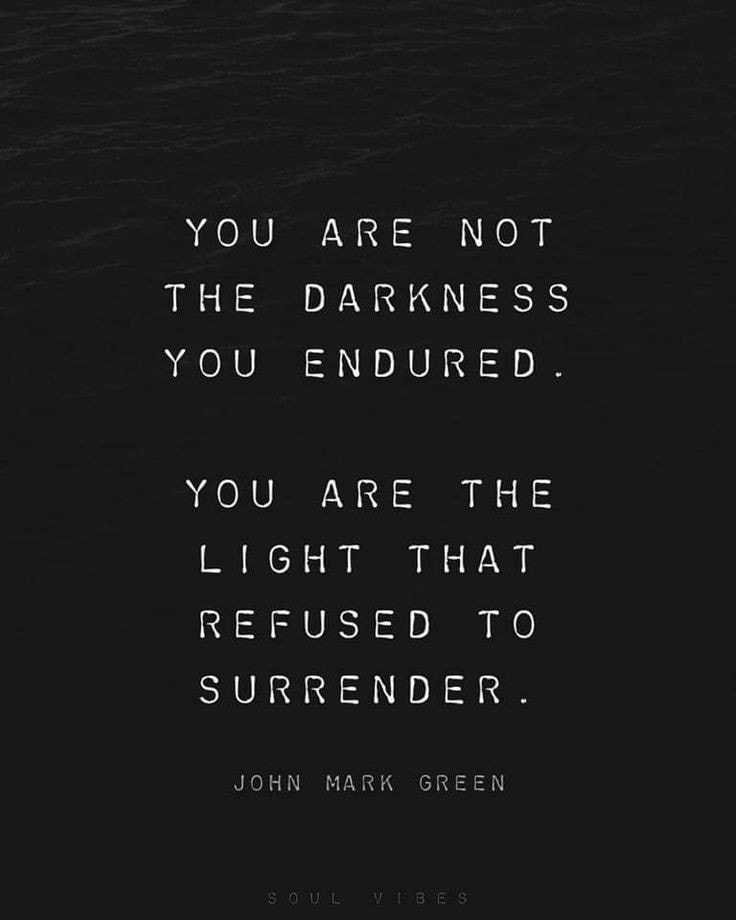
You are the light that refused to surrender

‘You are the light that refused to surrender’ is a wonderful way to look at your healing journey after experiencing trauma.

If you, like me, have a history of trauma, you will be very familiar with the ups and downs of living with CPTSD. For me personally, having hope in my lowest moments, was the 1 thing that kept me going when things truly felt hopeless. 

Having hope means that you allow yourself to believe that the day WILL come where you WILL feel better, where things will feel less scary, less isolating and less depressing.

It’s important to never stop hoping when things get tough and to allow yourself to embrace that feeling wholeheartedly. 

Practicing gratitude is also extremely important for improving mental health. Be grateful for any tiny steps of progress you make, even if you managed to do 1 additional thing today that you didn’t manage to do the day before.

Living with mental illness is never easy but it can be manageable. Living with mental illness means that you might have to constantly make adjustments to the way you live your life, in order to feel better. These adjustments may look like the following: Changing your diet, adding more exercise to your daily routine, cutting out sugar, moving to the countryside, ending a relationship, leaving a stressful job, practicing meditation, seeking out support from a specialised therapist, going on a retreat, taking supplements and/or using medication. Each journey with mental illness is unique so what might work for one person may not necessarily work for another. Try things out, see what works and go from there.

Darkness may have been a big part of your past and may still creep up on you in the present. This is realistic as life can be tough even when you don’t live with a mental illness.The only way through this darkness however is to find the light. The light could be anything: a therapist, a close friend, a partner, a beloved pet, being in nature, a safe space, art, music or anything else that brings you comfort.

Most importantly however, you must try and find the light within yourself, within your heart and soul. 

In those moments of relentless anxiety, depression or emotional flashbacks, love yourself unconditionally.  Take yourself by the hand, like you would a small child and tell yourself  ‘ I’ve got you, you are not alone’… ‘ I am there for you, unconditionally’.

If you are having a tough day, then I hope this post helps a little.

Keep going..keep living..you’ve got this!

Love Athina x

What is traumatic aloneness?

Traumatic aloneness is something that I have experienced over and over again in my 41 years on this planet. It is a natural result of having grown up in a dysfunctional family where my parents didn’t meet my emotional needs.

”Psychodynamic theorist Gerald Adler attributed an early failure in nurturing to the experience of annihilation. He contended that the absence of a primary positive soothing caregiver creates an insatiable emptiness that impedes the development of a stable, healthy sense of self”. (quote source:https://www.avenuetherapies.com/blog/theres-lonely-theres-alone-and-then-theres-worse-traumatic-aloneness/

”Traumatic aloneness is a hole that was supposed to be filled when we were babies with the things we needed to feel loved and important. It is a hole that can now never be filled…To be healed it needs to be recognised, listened to and nurtured. Trauma therapy can go some way to repair it and ease the pain, but the hole although smaller, might always be there. However, we can learn to recognise it, soothe it, hold it and nurture it. We can learn to have connections and closeness with others”.

Watch my YouTube video to find out more:

Love Athina

6 Lies narcissistic parents tell their children

Narcissistic parents are incredibly destructive to a child’s emotional & mental wellbeing. The 6 lies I talk about in this video, are very common in most narcissistically abusive households.

If this is your background or if you suspect that your upbringing may have been dysfunctional, then this video is for you!

Love Athina

Why you are revictimized (after parental narcissistic abuse)

Revictimization is common when you have suffered childhood trauma. Childhood trauma, particularly narcissistic abuse primes individuals to be more vulnerable to further abuse.

If you find yourself constantly attracting toxic individuals, then this video is for you.

Love Athina

CPTSD-Living with feelings of shame

Shame can be both good and bad. It can protect us from hurting others by commiting shameless acts but it can also be incredibly destructive when we feel ashamed for our mere existence. Shame is something that our abusive caregivers pass onto us by shaming us for things that they shouldn’t have.

Watch my video for more.

Love Athina