In this video, I talk about narcissists and whether they have a moral compass.
In some cases, people may argue that narcissists can actually feel guilt when they have done something wrong and they can also feel ashamed.
It is important to take into account that somebody with Narcissistic Personality Disorder (NPD) also has a unique character, history of trauma and a certain outlook on life. All these must be taken into account when considering whether they have a moral compass.
In my experience, I would say narcissists definitely choose to ignore the things that they have done wrong to others but are quick to inflict the moral high ground on others, if they don’t agree with what these others have done.
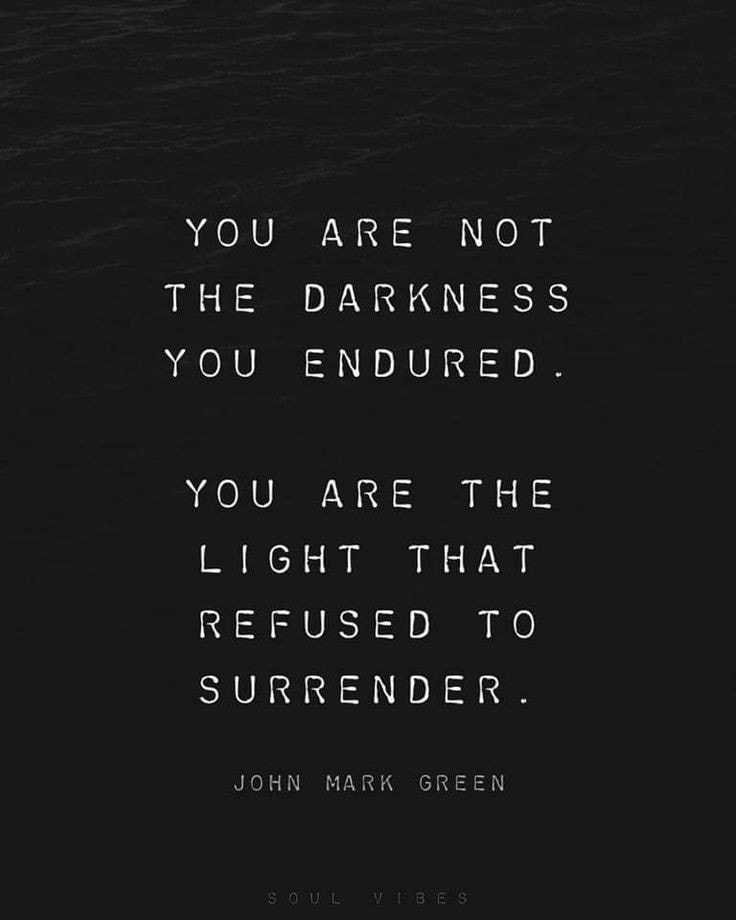
‘You are the light that refused to surrender’ is a wonderful way to look at your healing journey after experiencing trauma.
If you, like me, have a history of trauma, you will be very familiar with the ups and downs of living with CPTSD. For me personally, having hope in my lowest moments, was the 1 thing that kept me going when things truly felt hopeless.
Having hope means that you allow yourself to believe that the day WILL come where you WILL feel better, where things will feel less scary, less isolating and less depressing.
It’s important to never stop hoping when things get tough and to allow yourself to embrace that feeling wholeheartedly.
Practicing gratitude is also extremely important for improving mental health. Be grateful for any tiny steps of progress you make, even if you managed to do 1 additional thing today that you didn’t manage to do the day before.
Living with mental illness is never easy but it can be manageable. Living with mental illness means that you might have to constantly make adjustments to the way you live your life, in order to feel better.These adjustments may look like the following: Changing your diet, adding more exercise to your daily routine, cutting out sugar, moving to the countryside, ending a relationship, leaving a stressful job, practicing meditation, seeking out support from a specialised therapist, going on a retreat, taking supplements and/or using medication. Each journey with mental illness is unique so what might work for one person may not necessarily work for another. Try things out, see what works and go from there.
Darkness may have been a big part of your past and may still creep up on you in the present. This is realistic as life can be tough even when you don’t live with a mental illness.The only way through this darkness however is to find the light. The light could be anything: a therapist, a close friend, a partner, a beloved pet, being in nature, a safe space, art, music or anything else that brings you comfort.
Most importantly however, you must try and find the light within yourself, within your heart and soul.
In those moments of relentless anxiety, depression or emotional flashbacks, love yourself unconditionally. Take yourself by the hand, like you would a small child and tell yourself ‘ I’ve got you, you are not alone’… ‘ I am there for you, unconditionally’.
If you are having a tough day, then I hope this post helps a little.
Narcissistic parents are incredibly destructive to a child’s emotional & mental wellbeing. The 6 lies I talk about in this video, are very common in most narcissistically abusive households.
If this is your background or if you suspect that your upbringing may have been dysfunctional, then this video is for you!
Shame can be both good and bad. It can protect us from hurting others by commiting shameless acts but it can also be incredibly destructive when we feel ashamed for our mere existence. Shame is something that our abusive caregivers pass onto us by shaming us for things that they shouldn’t have.
In this post, I wanted to mention the important topic of gaslighting.
If we have survived years of emotional abuse by a parent or a partner who has been gaslighting us, this then ends up becoming our own internal voice. This is known as gaslighting ourselves.
Narcissistic mothers, especially the covert type, are experts at projection and will habitually project their own negative emotions onto their children.
Selfishness is one of them.
Many adult children of narcissistic parents will have experienced this in some capacity or their parent may have simply called them something else, such as ‘spoilt’ or ‘too sensitive’.
Some covert narcissist mothers lie about their child’s health. They present a completely different story to reality, in order to garner sympathy from others. This is a very dangerous type of manipulation. It is also not fair on the child who is suffering because of this type of lying and abuse.
It is important for educators & medical personnel to keep an eye out for this type of mother. If a mother comes across as extremely pushy in a school because she wants her child to be diagnosed with a learning disability, then teachers must tread carefully. This is even more important when a mother is telling doctors her child is sick or mentally ill in any way .
If you have had experience with this, then please reach out and share you story. If you need support, then please reach out to a mental health professional.

 couragecoaching.net