Self-silencing is much more common that people think.
Feeling too afraid to express your true thoughts, desires, and emotions often stems from childhood experiences in environments where self-expression didn’t feel safe. This behavior is frequently shaped by generational patterns passed down unconsciously, where parents, influenced by their own upbringing and unresolved trauma, lacked the tools to create a space for open and secure communication.
If you recognize that you have a tendency to self-silence, it’s essential to take proactive steps toward building healthier habits and learning to express yourself more openly and authentically.
Watch my video below, to gain more clarity on self-silencing.
Cognitive Bypassing is the practice of avoiding feelings by detouring into cognitive ideas or beliefs. It means that we tend to overthink in order to avoid uncomfortable emotions such as grief, fear or anger.
There is nothing wrong with using cognitive strategies as part of your emotional well-being. However, when every negative emotion must be analysed, changed or explained cognitively, this is counterproductive. Compulsively adding cognition to emotion means that you don’t ever allow your traumas to fully heal. The uncomfortable truth is that there is a component of painful emotions that simply must be felt, as hard as that may be to hear.
Healing trauma has more to do with embracing the feeling in the body than holding on to the thoughts of the mind. Somatic healing is crucial in recovery from trauma when you live with CPTSD. Allowing yourself to grieve the losses of your childhood is also a huge part of the healing process. Throwing CBT techniques at clients who suffer with trauma just isn’t enough!
Different therapies that enable us to somatically process trauma are very important in healing childhood trauma. Art therapy, dance therapy, drama therapy, play therapy as well as somatic healing, EMDR, sensorimotor therapy and accelerated experiential dynamic psychotherapy are all very important.
Most of us who have experienced trauma, find ways to constantly avoid our emotions by overthinking but also by comfort eating, doing drugs or drinking alcohol, being compulsive, dissociating and so much more.
How many of us actually just sit with our uncomfortable emotions and allow ourselves to self soothe, allow ourselves to have a good cry and share what we are actually feeling? Do we actually allow ourselves to feel our sadness or fear and just give it the space to be present without analysing it? This isn’t easy for many of us. As much as it isn’t easy, we have to find ways to make room for it and really feel whatever comes up.
If you hate being the center of attention and constantly worry about what people are saying about you, then you may have what is known as the spotlight effect, a term coined by social psychologists.
The spotlight effect is a cognitive bias and it refers to the tendency to overestimate how much other people notice about us.
If you have social anxiety, then you most likely also struggle with the spotlight effect.
The spotlight effect can be detrimental to living your life fully, as it holds you back from allowing yourself to be ‘seen’ by others.
Watch the video to find out more and please feel free to share your experiences in the comments.
For one to one coaching, please feel free to email me at: courageisallyouneed@gmail.com
Growing up with a narcissistic mother is very painful and isolating. If you are lucky enough to at least have an empathetic father, that alone can help you feel a little less alone. What happens however when your father is really loving and caring towards you but unfortunately fails at the part where he has to protect you from your mother’s abuse? When he isn’t strong enough to stand up to his wife’s demands, he also lets you down and enables your mother’s abuse.
It is especially tough when he tells you in private that he knows your mum is a difficult person but still doesn’t protect you from her hurtful actions. This still leaves you feeling hopeless as you don’t truly have your father on your side.
If this is you, then watch my most recent video below.
Have you heard of echoism? Echoism isn’t commonly talked about but is very real and a lot of individuals who have suffered narcissistic abuse in childhood actually live with it.
Echoism is very common with individuals who live with Avoidant Personality Disorder or who have many avoidant traits. Echoists find it extremely uncomfortable being the centre of attention.
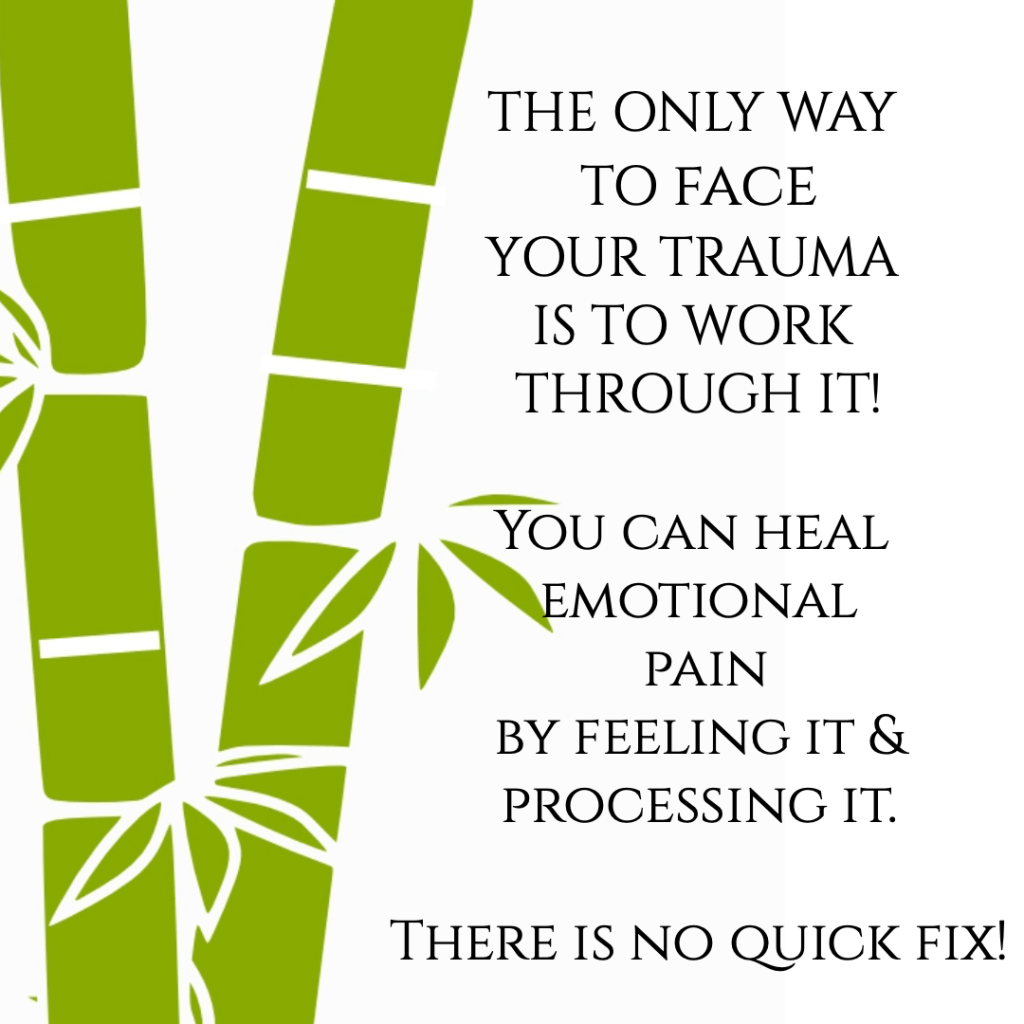
Facing your trauma in the initial stages of awareness, may feel incredibly uncomfortable and daunting. Even admitting to yourself that you suffered abuse or trauma in your childhood, can feel very scary and soul crushing at first.
If you do reach that point however, please know that you are doing the right thing no matter how uncomfortable.
The only way to heal emotional pain is by acknowledging it, feeling it and grieving it.
There may be people out there that make big promises of how to heal quickly and offer quick fixes for alleviating your suffering, but please know that these quick fixes never work. They may provide temporary relief but they don’t holistically address the deeper parts of your psyche that need nurturing.
I am telling you this because I have been there myself. I have tried short term treatments and they don’t work in the long run. My healing journey from childhood trauma started at the tender age of 16 and I am now 41. I am still working on my healing and will continue to do so.
To change dysfunctional behaviours such as people-pleasing, avoidance, dissociation, toxic shame and inner critic attacks we must put in consistent effort daily for months, even years.
Dysfunctional behaviours that we learnt in our childhood to survive the abuse, need a long time to ‘undo’!
The only way to improve your emotional wellbeing is by peeling away each painful layer gently, acknowledging it and pouring self-compassion and love into it.
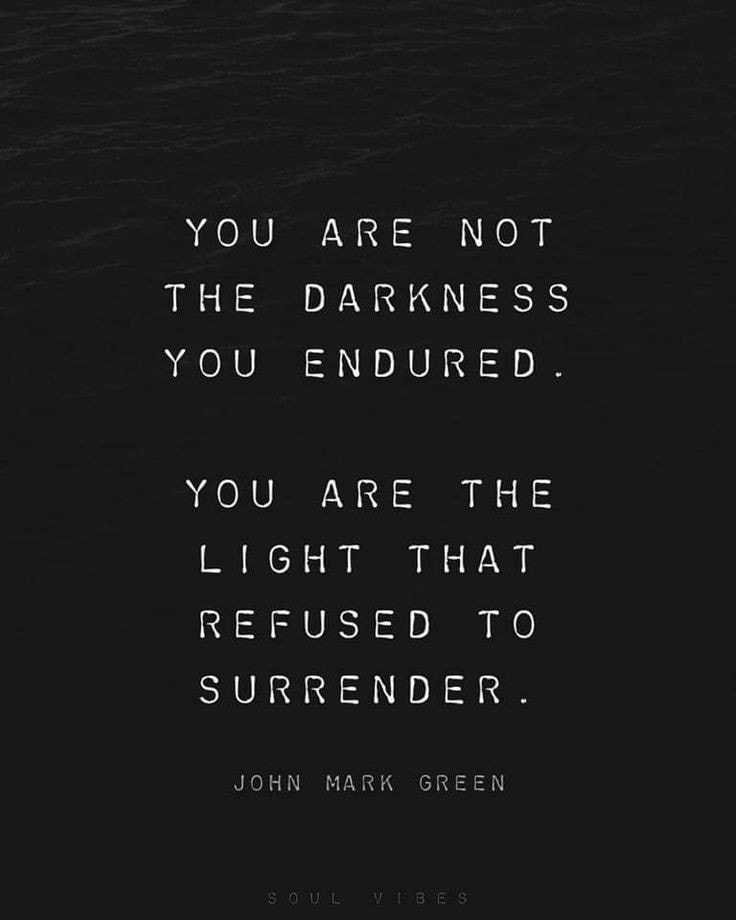
‘You are the light that refused to surrender’ is a wonderful way to look at your healing journey after experiencing trauma.
If you, like me, have a history of trauma, you will be very familiar with the ups and downs of living with CPTSD. For me personally, having hope in my lowest moments, was the 1 thing that kept me going when things truly felt hopeless.
Having hope means that you allow yourself to believe that the day WILL come where you WILL feel better, where things will feel less scary, less isolating and less depressing.
It’s important to never stop hoping when things get tough and to allow yourself to embrace that feeling wholeheartedly.
Practicing gratitude is also extremely important for improving mental health. Be grateful for any tiny steps of progress you make, even if you managed to do 1 additional thing today that you didn’t manage to do the day before.
Living with mental illness is never easy but it can be manageable. Living with mental illness means that you might have to constantly make adjustments to the way you live your life, in order to feel better.These adjustments may look like the following: Changing your diet, adding more exercise to your daily routine, cutting out sugar, moving to the countryside, ending a relationship, leaving a stressful job, practicing meditation, seeking out support from a specialised therapist, going on a retreat, taking supplements and/or using medication. Each journey with mental illness is unique so what might work for one person may not necessarily work for another. Try things out, see what works and go from there.
Darkness may have been a big part of your past and may still creep up on you in the present. This is realistic as life can be tough even when you don’t live with a mental illness.The only way through this darkness however is to find the light. The light could be anything: a therapist, a close friend, a partner, a beloved pet, being in nature, a safe space, art, music or anything else that brings you comfort.
Most importantly however, you must try and find the light within yourself, within your heart and soul.
In those moments of relentless anxiety, depression or emotional flashbacks, love yourself unconditionally. Take yourself by the hand, like you would a small child and tell yourself ‘ I’ve got you, you are not alone’… ‘ I am there for you, unconditionally’.
If you are having a tough day, then I hope this post helps a little.
Traumatic aloneness is something that I have experienced over and over again in my 41 years on this planet. It is a natural result of having grown up in a dysfunctional family where my parents didn’t meet my emotional needs.
”Traumatic aloneness is a hole that was supposed to be filled when we were babies with the things we needed to feel loved and important. It is a hole that can now never be filled…To be healed it needs to be recognised, listened to and nurtured. Trauma therapy can go some way to repair it and ease the pain, but the hole although smaller, might always be there. However, we can learn to recognise it, soothe it, hold it and nurture it. We can learn to have connections and closeness with others”.
Narcissistic parents are incredibly destructive to a child’s emotional & mental wellbeing. The 6 lies I talk about in this video, are very common in most narcissistically abusive households.
If this is your background or if you suspect that your upbringing may have been dysfunctional, then this video is for you!
Revictimization is common when you have suffered childhood trauma. Childhood trauma, particularly narcissistic abuse primes individuals to be more vulnerable to further abuse.
If you find yourself constantly attracting toxic individuals, then this video is for you.


 couragecoaching.net