
Pet loss grief & CPTSD

On the 21st of August, I sadly had to euthanise my beloved 8 year old dachshund. It all happened within 24 hours and it came out of nowhere. She collapsed after vomiting and we rushed her to the emergency vet hospital. They stabilised her over night, they did an x-ray and ultrasound and the only thing they could see initially was a little liquid in her ovaries which means she may have had the early signs of an infection.

The next morning, they called us and told us she was doing better and even managed a tiny walk. They said they would do a routine spaying operation just to be on the safe side and then she would be home with us in the evening.

A few hours later, after waiting in suspense to hear back from the vet, we got a phone call to say that they needed permission to take more blood, as she was showing unfavourable neurological issues. Unfortunately, the blood test showed high inflammation in her little body, severe anemia and essentially her body was shutting down. Her blood was no longer clotting so they couldn’t operate anymore. She had also had an aneurysm and we were told that the kindest thing we could do was euthanise her. The vet suspected that her body was shutting down due to a tick borne disease which is hard to spot and progresses rapidly. Even though she had been on anti-tick medication, the vet said it is not reliable in preventing disease.

This was an incredible shock, especially after we thought she was coming home to us. Our gorgeous little Daola, was the light of our life, our best friend and our emotional support. For 8 wonderful years, she filled our life with such joy, comfort and unconditional love.
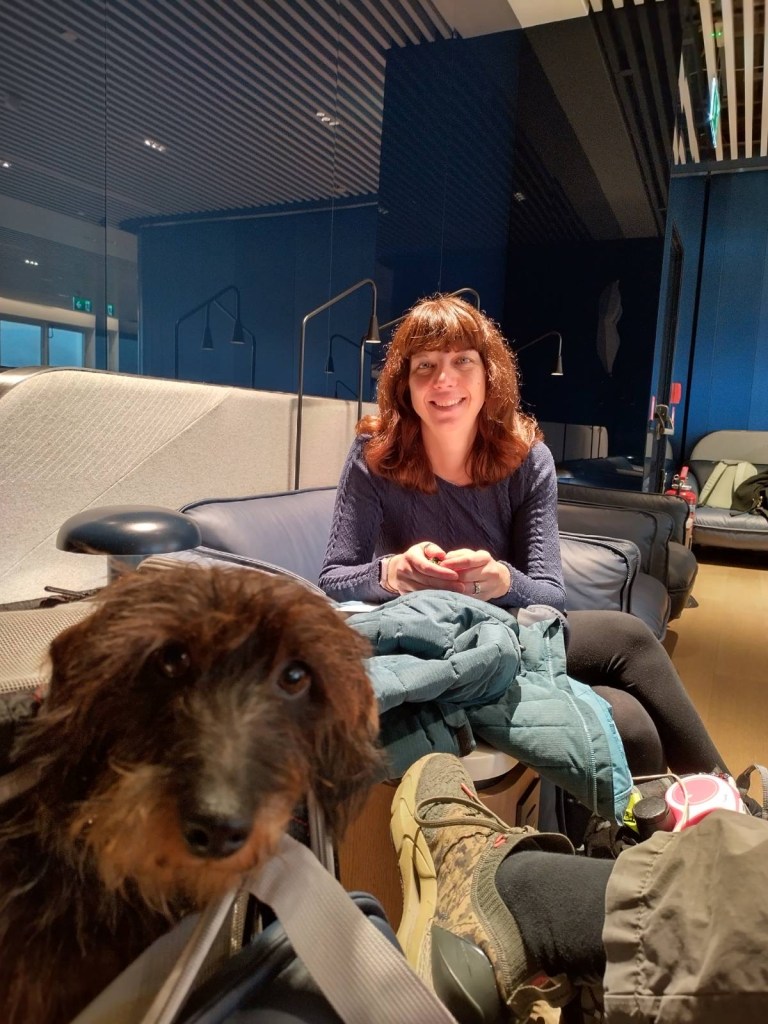
Losing a pet when you also live with CPTSD, is incredibly hard, especially because you already struggle so much with regulating your emotions, self-soothing and hyper vigilance. As someone who lives with this myself, I have had a solid couple of weeks of increased anxiety alongside my grief for my little girl.

It is important to understand that an unexpected death, whether this is a pet or a person, is very hard to navigate. The circumstances may even be traumatic, so when you already live with trauma, your body and mind need time to adjust.

The loss is profound, so the sadness and despair you may feel is completely normal under the circumstances. The stronger the bond and attachment you had to your pet, the stronger the grief and the longer it may take for the intensity of those feelings to subside.

It has been nearly 3 weeks since I lost my gorgeous dog and the grief is still intense. Life feels dull and being at home feels very empty. I am allowing myself to cry and think of her and I am resting as much as possible where I can. Grief can be exhausting, so it is important to practice good self-care.

Many emotions have been present through my grief journey such as guilt, anger, despair and many ‘What if’s’. What if I had gone to the vet earlier? What if I had noticed the signs sooner? All emotions are valid. We try to make sense of the shock and instead of feeling helpless, we try to fill our minds with thoughts that distract us from feeling the pain. This doesn’t work however. Our pet is gone and there is nothing we can do to bring them back. We must grieve that loss and the deep love we felt. The only way to grieve in a healthy way, is through acceptance that they are gone.
The loss of what should have been

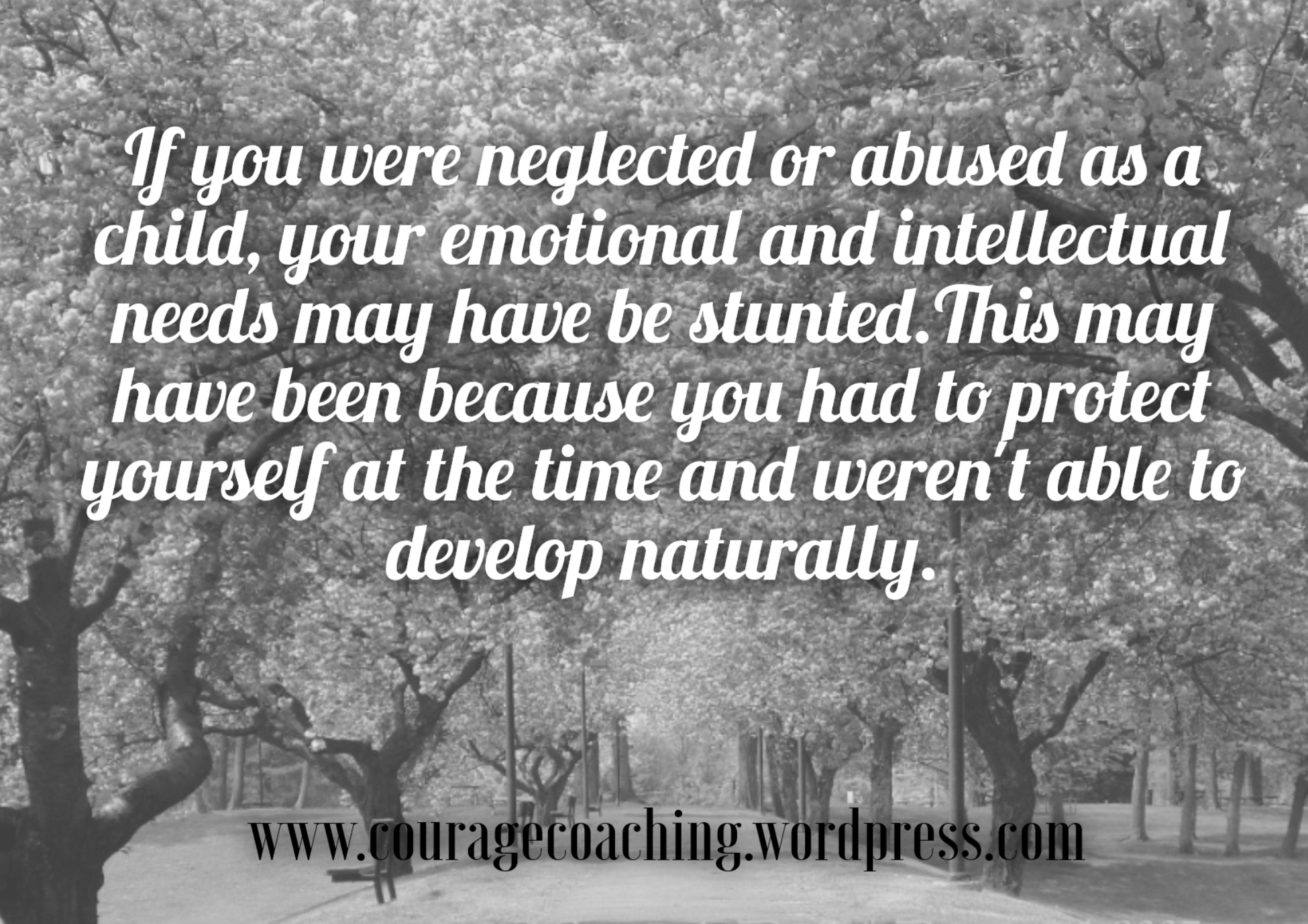
When you don’t get certain basic needs met in your childhood, there will come a time in your future where you will eventually become awakened to these unmet needs. Although this isn’t the same for everyone, there is usually one feeling which is most prevalent for most: ”The feeling of being ripped off”

This feeling of being ripped off, because you didn’t have a healthy family or because you no longer have a family to turn to, starts a very real and painful journey of mourning.

A lot of people who grew up with abusive parents, or in one parent families, or in families where their parents were chronically ill, learned to ‘live on autopilot’. They either had to push down their feelings to keep the peace, be a confidant or carer to the sick parent or learned that they had to solely rely on themselves. Even when they were scared and had no one to turn to as children, they had to keep going. As early adulthood approached, they may have found many ways to cope with this underlying feeling of sadness or anger, by drinking too much, working too much and generally trying to find ways to numb out any uncomfortable feelings that would creep up.

When an adult child is first awakened to the reality of what really was and what now is, they somehow know that things will never feel the same again. It might be that a certain event in their adult life uncovered feelings that had been buried deep inside them and suddenly the strength that they thought would always keep the safe, slowly starts to crumble. New anxieties, fears & losses start to unfold and the world suddenly starts to feel like a scary & unsafe place.

At this early stage of realisation, when adult children come to terms with the fact that they needed so much more than what they were given emotionally, the grief can feel overwhelming. Grief for adult children is a complex emotion because so much of the loss has been built up over time and they have long learned to adapt to the constant loss of an ideal childhood. Looking into the future feels bleak and they feel as if things are only going to get worse rather than better.

Through my own journey of grief, I learned that it isn’t a straightforward process and that it doesn’t have a certain time limit. When the grief was so overwhelming at times that I couldn’t imagine a better future, I reminded myself that it was necessary for me to truly feel the sadness. When your heart feels broken you have to let it heal and healing requires compassion & patience with yourself.

Pete Walker is a truly Inspirational Psychologist and survivor of childhood abuse. His words below really resonate:

 “…the broken heart that has been healed through grieving is stronger and more loving than the one that has never been injured.  Every heartbreak of my life, including the brokenheartedness of my childhood, has left me a stronger, wiser and more loving person than the one I was before I grieved”

The last thing that is worth mentioning, is that a lot of people don’t start their journey of recovery & grief from childhood trauma, unless it is emotionally safe for them to do so. It might be that they are in a supportive relationship and a stable environment and this enables them to ‘let go’ and just be vulnerable. It might be that they have found a therapist which they feel comfortable enough to be themselves.

Recovery from the losses of one’s childhood is necessary in order to restore balance & new found hope in the future.

FontCandy (29)

What is your experience?

Love Athina ♥

© All blog posts and images are owned by me and Courage Coaching. Please don’t use without consent and only re-blog if you would like to use the information on here

Trauma is a loss, so it must be grieved

Trauma happens to all of us..We all go through life with a few small traumas. Most of the time, small traumas or small losses don’t leave emotional scars. We just keep going and adjust to whatever life throws at us.

If on the other hand, the trauma or loss we suffer is profound, then this means that we will be more deeply affected by it and will need longer to overcome it or learn to live with the affects.

In this video, I touch on the importance of grief and the 3 main stages of grief you go through when dealing with a major loss or trauma.

Love ♥ Athina

© All blog posts and images are owned by me and Courage Coaching. Please don’t use without consent and only re-blog if you would like to use the information on here.

Supporting others through adversity the right way

Today’s video is important because it raises awareness on the importance of what we say to others currently facing adversity. When someone is suffering with mental health issues, has just found out some terrible news or is drowning in grief, the last thing they want to hear is what someone thinks they should do in their situation.

Projecting our own beliefs onto someone who is suffering can sometimes be detrimental. Telling someone how we think they should feel at times of difficulty, can be very harmful.

Always speak with caution.

Love Athina ♥

© All blog posts and images are owned by me and Courage Coaching. Please don’t use without consent and only re-blog if you would like to use the information on here.

Leaving your comfort zone

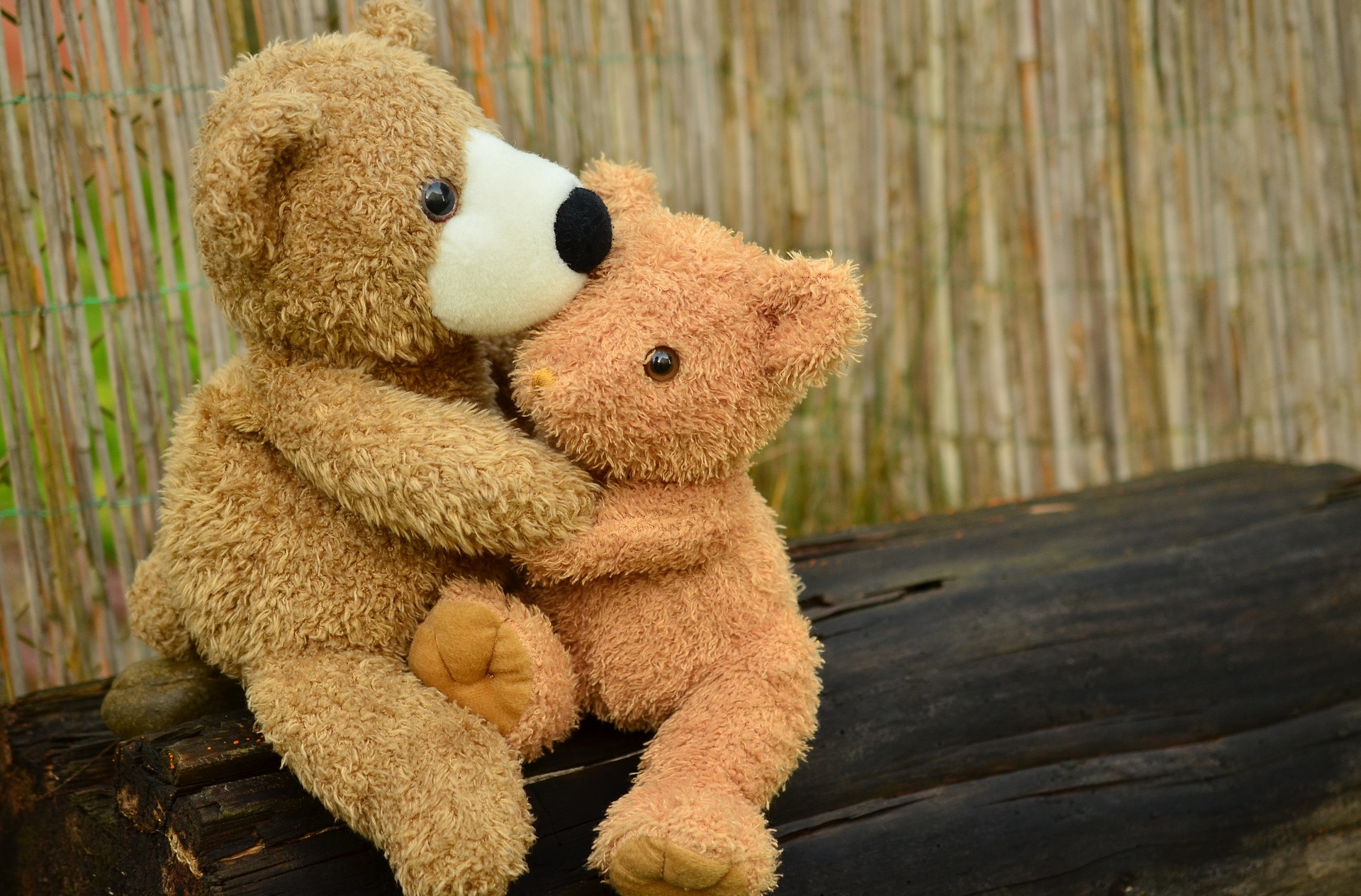
Moving out of our comfort zone can be extremely rewarding if we are able to manage the anxiety that pops up. Humans are creatures of habit and having a steady routine, a safe haven in our home and the people around us that provide love and validation,becomes so important.We fear uncertainty, loss, pain, and so we seek to keep ourselves cooped up in our ‘safety net’ of comfort.

teddy-1113160_1920

The difficult thing about comfort zones, is that they can at times foster an attitude of learned helplessness making progress harder.

Personal discovery and personal development tend to happen more when we are outside our comfort zone but how often do we actually manage to venture outside it?

The one thing that my coachees always find helpful, is to start off with setting 1 small goal. It is easier to focus on 1 thing at a time if you want to make progress. The goal has to be something that is achievable and a little scary, but not overwhelming. Once you succeed in reaching this initial goal, this will then give you the courage and further motivation to tackle something bigger.

Sometimes, people overstretch themselves by doing too much at once, too quickly.

If someone has never left home, has never gone on a holiday abroad and then suddenly gets offered a job in another country where they don’t even speak the language, then this is an example of something that can be too much.

How do you cope when you have to leave your comfort zone? Have you had any experiences which were overwhelming? I am particularly interested in people who also suffer from anxiety often. How do you tackle this? I would love to hear your experiences.


Love Athina ♥

© All blog posts and images are owned by me and Courage Coaching. Please don’t use without consent and only re-blog if you would like to use the information on here.