How do you tell a friend about your childhood trauma?

Talking about childhood trauma can feel overwhelming, especially when opening up to a friend for the first time. How do we explore sharing our story in a way that feels safe and empowering, while also setting boundaries and managing expectations? How do we prepare ourselves for possibly being let down and invalidated by the person we tell?

Talking about something so difficult will never come easy to us, because safety was compromised in our childhood. Sharing the full range of our emotions, wasn’t acceptable and we may have been punished or invalidated a lot. That is why this feels scary and trust doesn’t come easy to us.

The first step to consider, could be to assess our friendship so far with the person we want to tell. Test the waters, so to speak.

Do we feel safe in their presence and can we truly be ourselves with this person?

Does this person listen to us empathetically?

Will we feel relieved by telling a (safe) friend about our trauma?

What will we do if they don’t respond in a validating way? Have there been any instances in the past where they may have invalidated us?

These are all good questions we can ask ourselves.

A safe person or ‘friend’ is one that listens and validates our experience, by saying something like ‘I am sorry to hear you went through that’.

In the above video, I talk about this tricky topic in a little more detail, so please watch it or share it if you think it will help someone.

Love Athina
Do you self-silence?

Self-silencing is much more common that people think.

Feeling too afraid to express your true thoughts, desires, and emotions often stems from childhood experiences in environments where self-expression didn’t feel safe. This behavior is frequently shaped by generational patterns passed down unconsciously, where parents, influenced by their own upbringing and unresolved trauma, lacked the tools to create a space for open and secure communication.

If you recognize that you have a tendency to self-silence, it’s essential to take proactive steps toward building healthier habits and learning to express yourself more openly and authentically.

Watch my video below, to gain more clarity on self-silencing.

Love Athina

The spotlight effect – A result of narcissistic parenting

If you hate being the center of attention and constantly worry about what people are saying about you, then you may have what is known as the spotlight effect, a term coined by social psychologists.

The spotlight effect is a cognitive bias and it refers to the tendency to overestimate how much other people notice about us.

If you have social anxiety, then you most likely also struggle with the spotlight effect.

The spotlight effect can be detrimental to living your life fully, as it holds you back from allowing yourself to be ‘seen’ by others.

Watch the video to find out more and please feel free to share your experiences in the comments.

For one to one coaching, please feel free to email me at: courageisallyouneed@gmail.com

Love Athina

Self Sabotage-A result of childhood narcissistic abuse

Self-sabotage isn’t something we are necessarily aware of yet it can create havoc in our lives and it can stop us from reaching our full potential.

When we have grown up in an environment where there was constant chaos and drama and where our parents shamed us and criticised the majority of the time, it will feel more familiar to us to continue this dynamic in adulthood. We may lead equally chaotic lives with dysfunctional relationships and poor choices.

If we were constantly given the message that we weren’t smart enough, strong enough, attractive enough and in more general terms good enough, then this becomes our internalised voice and it pops up every time we try and take a step forward in our careers, relationships and day to day life.

Even if this internalised voice is negative and not true, it has been our mind’s companion for as far back as we remember. We took on this identity and it is harder to change it when it is all we have known.

If you can relate to this topic, then please watch the video to find out more.

I offer one to one coaching to those of you who struggle with this, so please feel free to get in touch by emailing me at: courageisallyouneed@gmail.com

Love Athina

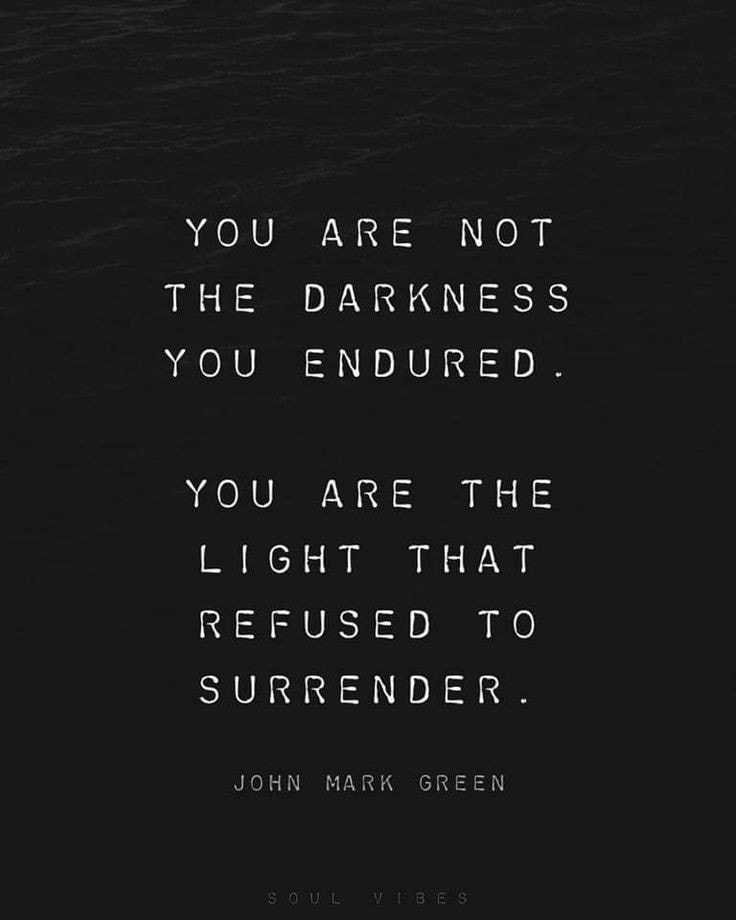
You are the light that refused to surrender

‘You are the light that refused to surrender’ is a wonderful way to look at your healing journey after experiencing trauma.

If you, like me, have a history of trauma, you will be very familiar with the ups and downs of living with CPTSD. For me personally, having hope in my lowest moments, was the 1 thing that kept me going when things truly felt hopeless. 

Having hope means that you allow yourself to believe that the day WILL come where you WILL feel better, where things will feel less scary, less isolating and less depressing.

It’s important to never stop hoping when things get tough and to allow yourself to embrace that feeling wholeheartedly. 

Practicing gratitude is also extremely important for improving mental health. Be grateful for any tiny steps of progress you make, even if you managed to do 1 additional thing today that you didn’t manage to do the day before.

Living with mental illness is never easy but it can be manageable. Living with mental illness means that you might have to constantly make adjustments to the way you live your life, in order to feel better. These adjustments may look like the following: Changing your diet, adding more exercise to your daily routine, cutting out sugar, moving to the countryside, ending a relationship, leaving a stressful job, practicing meditation, seeking out support from a specialised therapist, going on a retreat, taking supplements and/or using medication. Each journey with mental illness is unique so what might work for one person may not necessarily work for another. Try things out, see what works and go from there.

Darkness may have been a big part of your past and may still creep up on you in the present. This is realistic as life can be tough even when you don’t live with a mental illness.The only way through this darkness however is to find the light. The light could be anything: a therapist, a close friend, a partner, a beloved pet, being in nature, a safe space, art, music or anything else that brings you comfort.

Most importantly however, you must try and find the light within yourself, within your heart and soul. 

In those moments of relentless anxiety, depression or emotional flashbacks, love yourself unconditionally.  Take yourself by the hand, like you would a small child and tell yourself  ‘ I’ve got you, you are not alone’… ‘ I am there for you, unconditionally’.

If you are having a tough day, then I hope this post helps a little.

Keep going..keep living..you’ve got this!

Love Athina x

Did your narcissistic parent call you selfish?

Narcissistic mothers, especially the covert type, are experts at projection and will habitually project their own negative emotions onto their children.

Selfishness is one of them.

Many adult children of narcissistic parents will have experienced this in some capacity or their parent may have simply called them something else, such as ‘spoilt’ or ‘too sensitive’.

What is your experience?

9 Unusual traits of a narcissist

In this video, I talk about the ‘lesser talked about’ traits of someone with NPD. What is your experience?

If you are in need of support, please reach out by emailing me at courageisallyouneed@gmail.com

4 things a narcissist does to their victim

Narcissists are notorious for wanting to always be in control of every situation, especially in close relationships. Sadly, this is happening more often than not, especially behind closed doors.

Many viewers have resonated with the content of this video sadly.

If you resonate with the content too, please feel free to leave a comment and share your experience.

Love Athina x

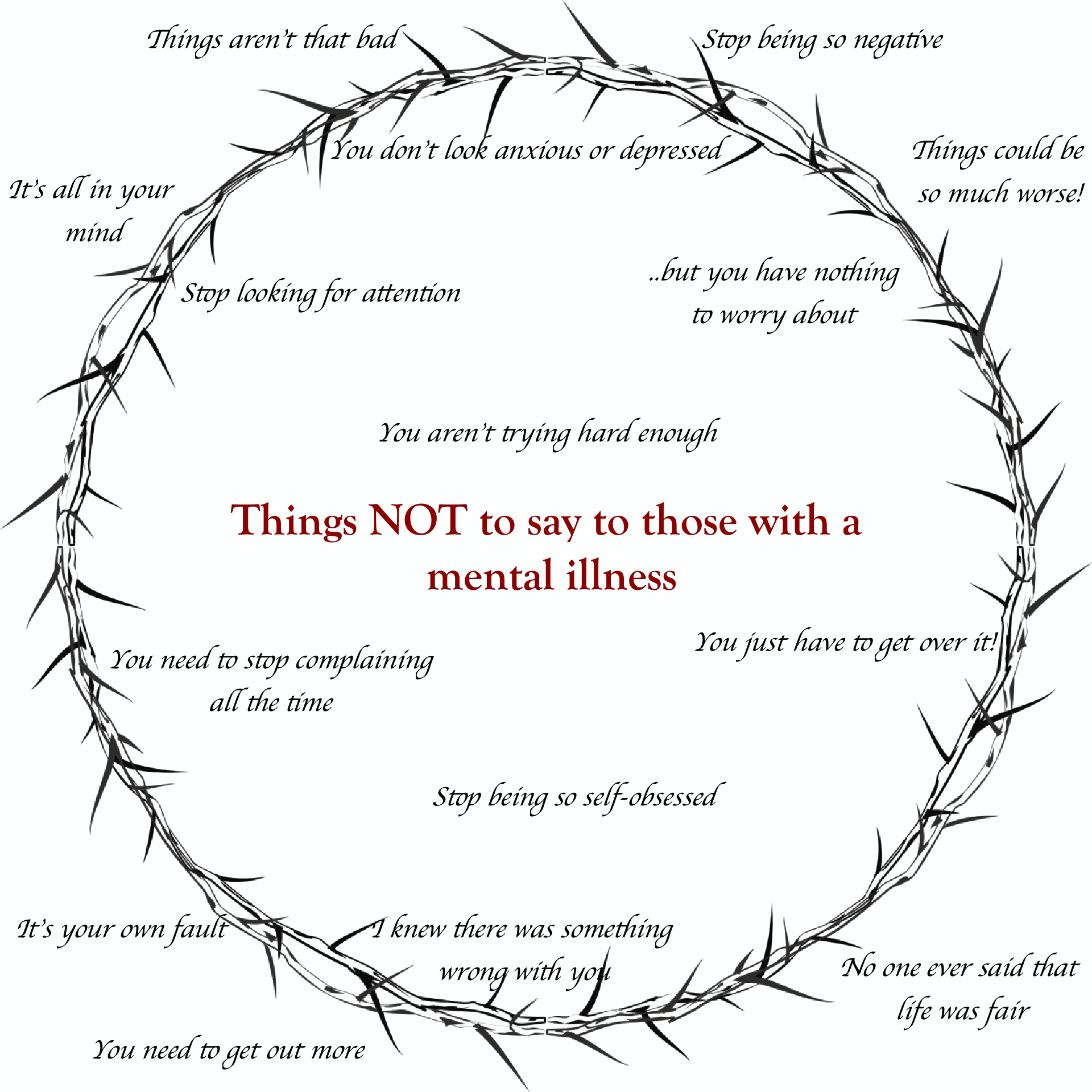
Things not to say to those with a mental illness

crown-of-thorns-2773399_Fotor
  Love Athina ♥ © All blog posts and images are owned by me and Courage Coaching. Please don’t use without consent and only re-blog if you would like to use the information on here.

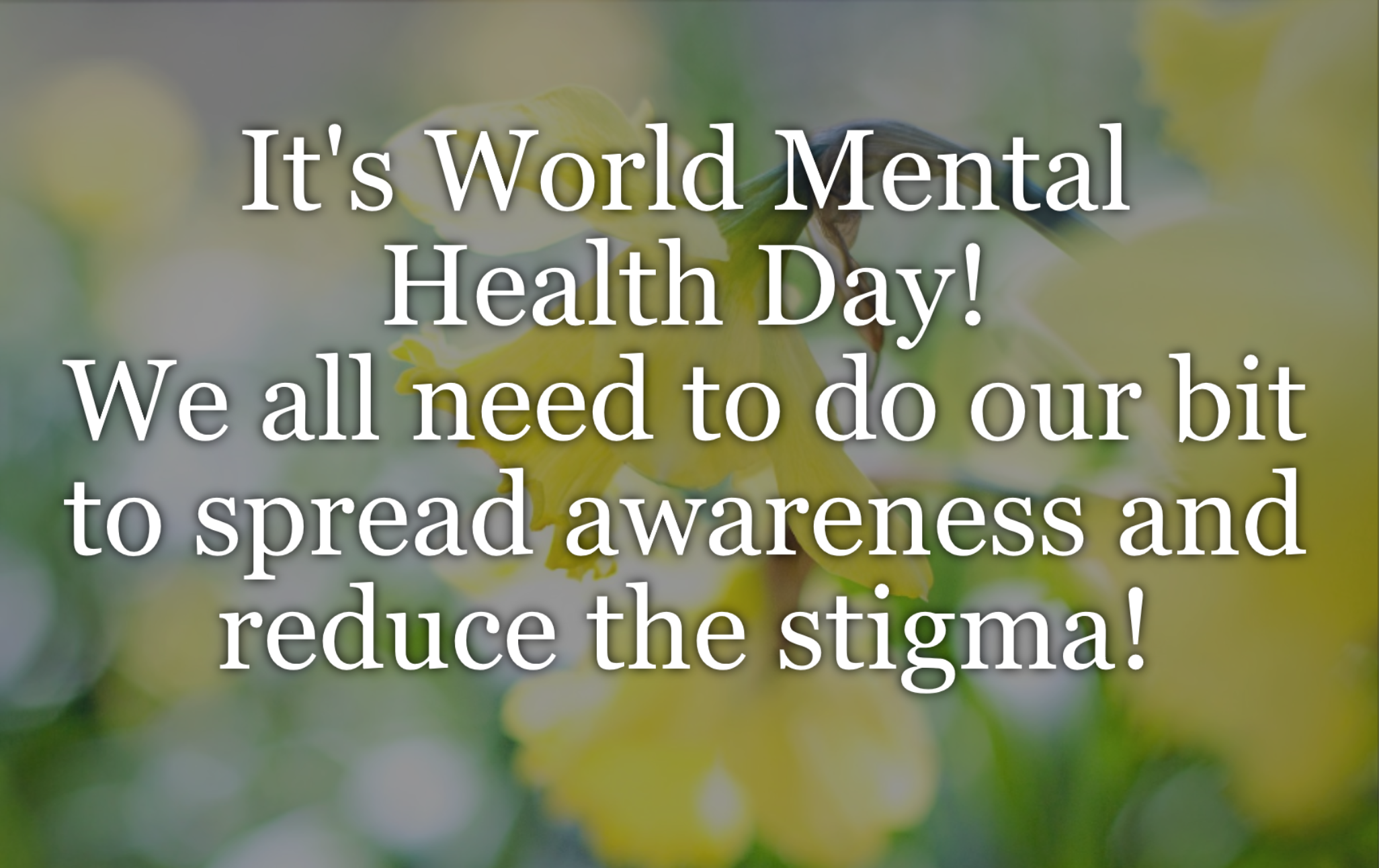
World Mental Health Day

FontCandy (4)

Mental illness has always been a part of my life. Whether it is through my own personal journey, through my family’s or watching friends struggle.

Although I haven’t been writing on here much, mental health will always remain a very important cause that I will always talk about. It is crucial for anybody struggling with mental illness to feel heard, to feel validated & to feel safe.

Empathy & understanding are necessary and we must all do our best to listen without judgement.

Life can sometimes throw us a curveball and none of us will ever know when this might happen.

Talk about mental health!

Be open & honest!

Be understanding!

Listen & give plenty of hugs to those struggling!

Sometimes that is enough to make someone’s day a little better!

Love Athina ♥

© All blog posts and images are owned by me and Courage Coaching. Please don’t use without consent and only re-blog if you would like to use the information on here.