Self-silencing is much more common that people think.
Feeling too afraid to express your true thoughts, desires, and emotions often stems from childhood experiences in environments where self-expression didn’t feel safe. This behavior is frequently shaped by generational patterns passed down unconsciously, where parents, influenced by their own upbringing and unresolved trauma, lacked the tools to create a space for open and secure communication.
If you recognize that you have a tendency to self-silence, it’s essential to take proactive steps toward building healthier habits and learning to express yourself more openly and authentically.
Watch my video below, to gain more clarity on self-silencing.
Cognitive Bypassing is the practice of avoiding feelings by detouring into cognitive ideas or beliefs. It means that we tend to overthink in order to avoid uncomfortable emotions such as grief, fear or anger.
There is nothing wrong with using cognitive strategies as part of your emotional well-being. However, when every negative emotion must be analysed, changed or explained cognitively, this is counterproductive. Compulsively adding cognition to emotion means that you don’t ever allow your traumas to fully heal. The uncomfortable truth is that there is a component of painful emotions that simply must be felt, as hard as that may be to hear.
Healing trauma has more to do with embracing the feeling in the body than holding on to the thoughts of the mind. Somatic healing is crucial in recovery from trauma when you live with CPTSD. Allowing yourself to grieve the losses of your childhood is also a huge part of the healing process. Throwing CBT techniques at clients who suffer with trauma just isn’t enough!
Different therapies that enable us to somatically process trauma are very important in healing childhood trauma. Art therapy, dance therapy, drama therapy, play therapy as well as somatic healing, EMDR, sensorimotor therapy and accelerated experiential dynamic psychotherapy are all very important.
Most of us who have experienced trauma, find ways to constantly avoid our emotions by overthinking but also by comfort eating, doing drugs or drinking alcohol, being compulsive, dissociating and so much more.
How many of us actually just sit with our uncomfortable emotions and allow ourselves to self soothe, allow ourselves to have a good cry and share what we are actually feeling? Do we actually allow ourselves to feel our sadness or fear and just give it the space to be present without analysing it? This isn’t easy for many of us. As much as it isn’t easy, we have to find ways to make room for it and really feel whatever comes up.
Facing your trauma in the initial stages of awareness, may feel incredibly uncomfortable and daunting. Even admitting to yourself that you suffered abuse or trauma in your childhood, can feel very scary and soul crushing at first.
If you do reach that point however, please know that you are doing the right thing no matter how uncomfortable.
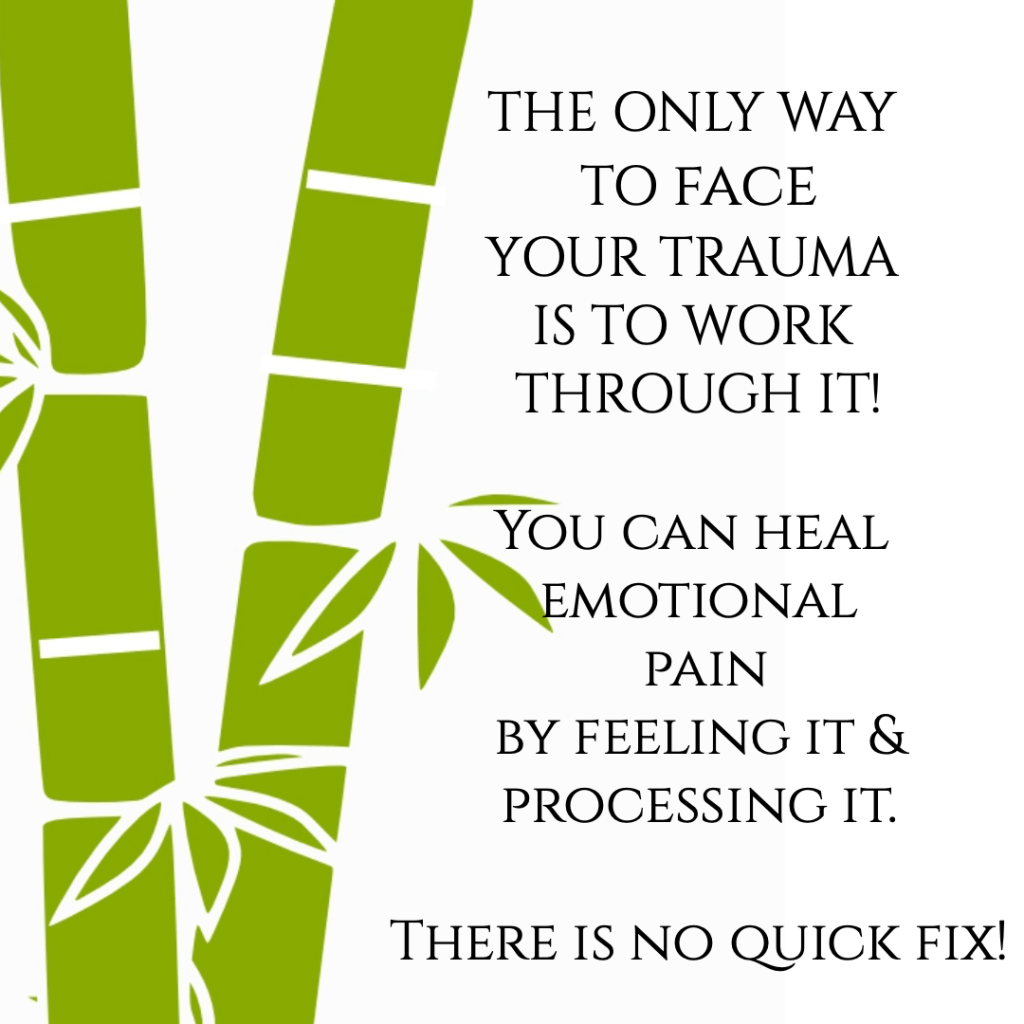
The only way to heal emotional pain is by acknowledging it, feeling it and grieving it.
There may be people out there that make big promises of how to heal quickly and offer quick fixes for alleviating your suffering, but please know that these quick fixes never work. They may provide temporary relief but they don’t holistically address the deeper parts of your psyche that need nurturing.
I am telling you this because I have been there myself. I have tried short term treatments and they don’t work in the long run. My healing journey from childhood trauma started at the tender age of 16 and I am now 41. I am still working on my healing and will continue to do so.
To change dysfunctional behaviours such as people-pleasing, avoidance, dissociation, toxic shame and inner critic attacks we must put in consistent effort daily for months, even years.
Dysfunctional behaviours that we learnt in our childhood to survive the abuse, need a long time to ‘undo’!
The only way to improve your emotional wellbeing is by peeling away each painful layer gently, acknowledging it and pouring self-compassion and love into it.
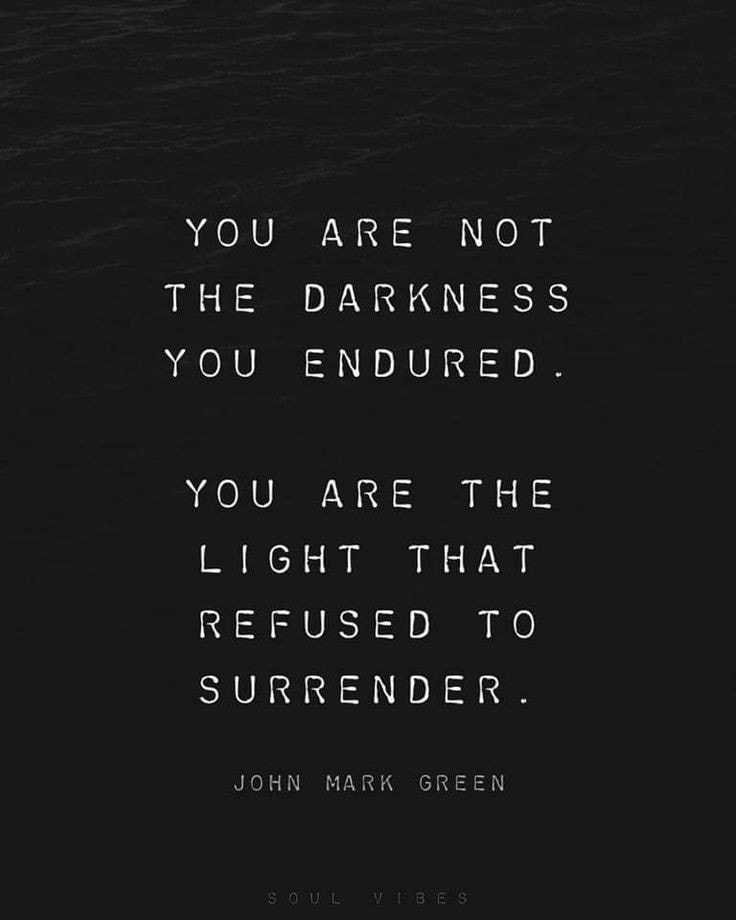
‘You are the light that refused to surrender’ is a wonderful way to look at your healing journey after experiencing trauma.
If you, like me, have a history of trauma, you will be very familiar with the ups and downs of living with CPTSD. For me personally, having hope in my lowest moments, was the 1 thing that kept me going when things truly felt hopeless.
Having hope means that you allow yourself to believe that the day WILL come where you WILL feel better, where things will feel less scary, less isolating and less depressing.
It’s important to never stop hoping when things get tough and to allow yourself to embrace that feeling wholeheartedly.
Practicing gratitude is also extremely important for improving mental health. Be grateful for any tiny steps of progress you make, even if you managed to do 1 additional thing today that you didn’t manage to do the day before.
Living with mental illness is never easy but it can be manageable. Living with mental illness means that you might have to constantly make adjustments to the way you live your life, in order to feel better.These adjustments may look like the following: Changing your diet, adding more exercise to your daily routine, cutting out sugar, moving to the countryside, ending a relationship, leaving a stressful job, practicing meditation, seeking out support from a specialised therapist, going on a retreat, taking supplements and/or using medication. Each journey with mental illness is unique so what might work for one person may not necessarily work for another. Try things out, see what works and go from there.
Darkness may have been a big part of your past and may still creep up on you in the present. This is realistic as life can be tough even when you don’t live with a mental illness.The only way through this darkness however is to find the light. The light could be anything: a therapist, a close friend, a partner, a beloved pet, being in nature, a safe space, art, music or anything else that brings you comfort.
Most importantly however, you must try and find the light within yourself, within your heart and soul.
In those moments of relentless anxiety, depression or emotional flashbacks, love yourself unconditionally. Take yourself by the hand, like you would a small child and tell yourself ‘ I’ve got you, you are not alone’… ‘ I am there for you, unconditionally’.
If you are having a tough day, then I hope this post helps a little.
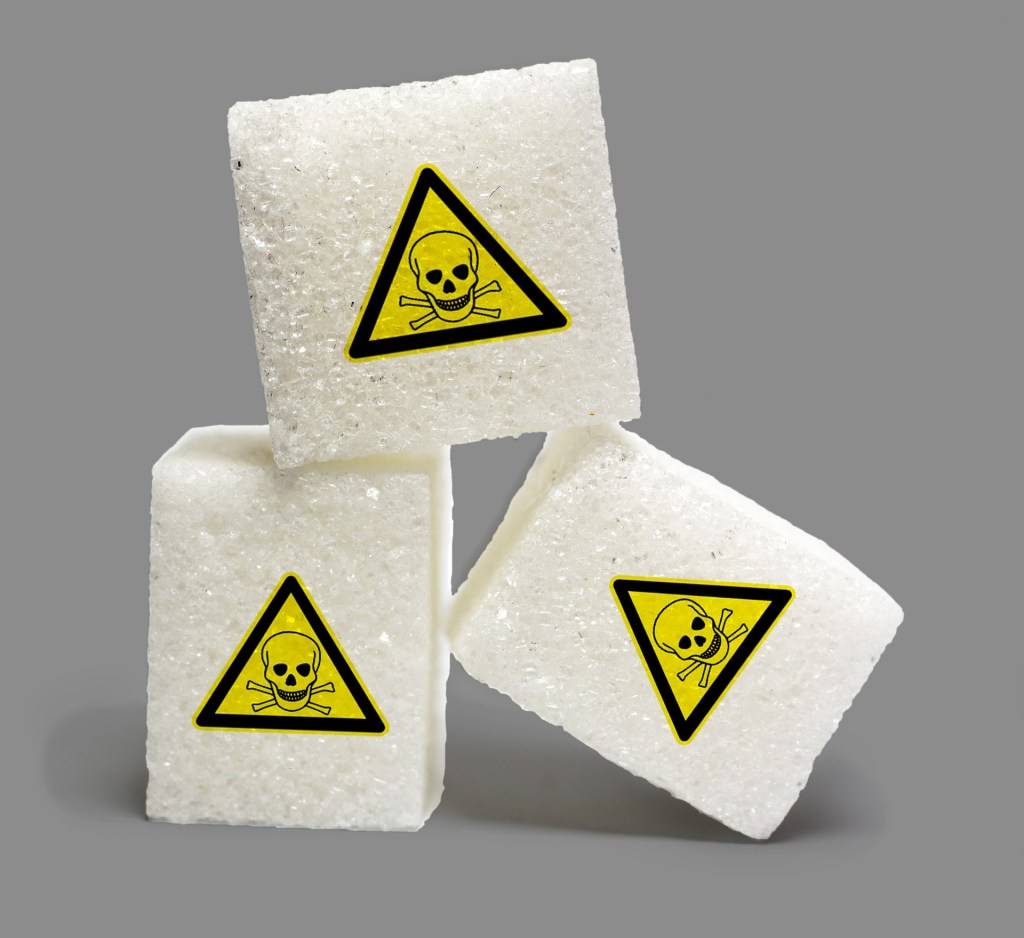
A little over 3 months ago, I finally made the decision to embark on a sugar free lifestyle. This has ultimately been life changing for me and required buckets of discipline and persistently resisting temptation.
In this post, I will talk about why I made this decision and what changes I have noticed, especially after a lifetime of constantly eating too much sugar.
The following video was hugely inspiring to me but my dear friend ‘Ketodawg’ was the main reason I embarked on this life-changing journey.
I will talk a little more about ‘Ketodawg’ in my next post but for now, please watch this video before reading any further.
Many of you, just like me, have probably enjoyed eating pasta, bread and starchy foods for as long as you remember. Many of you have a sweet tooth and can’t imagine life without sugar or processed food.
In my case, my childhood was filled with sugar. Both my parents had a sweet tooth and they allowed me to eat and drink sugary things as young as 2 or 3 years of age. I preferred drinking chocolate milk instead of regular milk and loved sugary cereals for breakfast. We always had packs of biscuits in the house and I learned to bake cakes before I learned to cook food.
In many households, this was and still is the norm.
Did you know that more than 5 grams of sugar in your bloodstream, can already be harmful to our bodies? Our bodies are not made to carry more than this amount in any given moment.
If I take a moment to consider what my daily intake of sugar and carbs was for most of my life, I would say it exceeded 200grams a day. I am pretty sure I was already insulin resistant, which would have eventually lead to type 2 DIABETES.
I loved comfort food, so would regularly cook high carb foods such as pasta, rice and potatoes and I enjoyed bakery items, cakes and biscuits daily. I managed to reduce the sugar in my tea from 2 teaspoons to half a teaspoon, but that was still not good enough, as I was drinking 6-8 cups of green tea per day. At my absolute worst, I weighed 72 kilos. I was completely addicted to sugar, had always been an emotional eater and essentially learnt bad eating habits from a young age.
My father developed type 2 diabetes from an unhealthy, overindulgent diet and this is sadly what killed him in the end, at age 70.
For nearly 3 months now, I have been following the Keto Diet which means reduced carbs, no sugar and lots of healthy fats and leafy greens. This reduction in carbs puts your body into a metabolic state called ketosis. When this happens, your body becomes incredibly efficient at burning fat for energy. It also turns fat into ketones in the liver, which can supply energy for the brain.
The first week I started Keto, I was having intense cravings for all the foods I couldn’t eat. I was reluctant to throw out all of the yummy biscuits that I had brought back from a trip to Greece. I was also convinced that I wouldn’t be able to give up pasta, which was my go-to food most of the time, especially when I was really busy with work.
In the first 10 days of my Keto diet, I experienced Keto flu symptoms just as I had predicted from the research I had done. I reduced my intake of carbohydrates and sugars to a maximum of 25grams per day, which in turn made me feel lightheaded, fatigued, irritable, low and achey. To compensate, I was drinking plenty of fluids so I could feel better. A keto diet can cause you to rapidly shed water stores, increasing the risk of dehydration.
After this initial 10 day period, my cravings for sugary foods had gone and I was getting used to my new lifestyle.
My body had already started burning ketones from fat instead of glucose. This was evident in the fact that I had started losing weight.
The most amazing thing I started noticing was that I was no longer having these afternoon energy crashes, where I felt like I was going to fall asleep. I also felt like I had better mental clarity, less of a ‘foggy head’ and my energy levels overall were hugely improved.
I lost a total of 10 kilos, which I am extremely proud of and I feel much more confident in my body than I used to.
Last but not least, I have generally felt more stable in myself. As I have lived with the effects of CPTSD all my life, I have definitely noticed that I am much calmer and more positive now. This has been extremely important to me, as I never wanted to be on medication for my symptoms.
My friends and loved ones have also noticed that I am much better in myself and have even commented on my skin, saying that I have a healthier glow.
Overall, I would highly recommend cutting out sugar and processed foods.
Since these lead to chronic inflammation in the body, which eventually cause Type 2 Diabetes , Cancer, Alzheimers and ill mental and physical health, it is a no brainer for anyone that is looking to be healthier.
If you suffer from anxiety, depression, PTSD or CPTSD I would highly recommend changing your diet, before resorting to medication. A good diet and regular exercise does make a huge difference. I have seen the results myself.
What is your experience?
Do you pay attention to what you eat and listen to your body?
Have you noticed any changes at all when cutting out sugar and processed food?
Emotional intelligence refers to the ability to identify and manage one’s own emotions, as well as the emotions of others.
Emotional intelligence is the one part of the human psyche that we can develop and improve by learning and practising new skills.
People with higher emotional intelligence find it easier to form and maintain interpersonal relationships and to ‘fit in’ to group situations.
People with higher emotional intelligence are also better at understanding their own psychological state, which can include managing stress effectively and being less likely to suffer from depression.
My newest video on my youtube channel, talks about emotional intelligence in more detail.
A lot of my followers on this blog and also subscribers from my youtube channel keep coming to me with the same question ‘How do I heal from childhood abuse?’.
Although this is something I have already addressed previously, I have decided to actually explore this in as much detail as I possibly can.
I will address this with reference to my own recovery journey and also by looking at research done by psychologists, psychotherapists and trauma specialists such as Pete Walker, Wilhelm Reich, Dr Bessel Van Der Kolk and many more.
Healing from childhood abuse isn’t a simple process. It takes a huge amount of courage, inner strength & resilience. It requires a willingness to become more self-aware of our own dysfunctional coping mechanisms, that we may have learnt from our primary caregivers.
If our parents were high on the narcissism spectrum, we will have endured years of all or some of the following:
neglect
hypercriticism
parentifying
infantilising
pathological envy
blaming
patronising
mood swings
pathological lying
aggression or passive aggression
gaslighting
controlling behaviour
emotional blackmail
scapegoating
silent treatment
shaming
invalidation
isolation
intimidation
verbal abuse
sexual abuse
physical abuse
engulfment
Living in a household with abuse, causes the child to develop Complex Post Traumatic Stress Disorder.
Complex post traumatic stress disorder is a more severe form of PTSD and has the following 5 features:
Toxic shame
Self-abandonment
Emotional flashbacks
A extremely harsh inner critic
Social anxiety
Emotional flashbacks are the most characteristic part of CPTSD. They are sudden and sometimes prolonged age regressions to the overwhelming feelings of being abused or neglected as a child. Emotional flashbacks don’t have a visual component. These flashbacks do however include an overwhelming feeling of fear, shame, alienation, abandonment, depression and emotional pain. They can range in intensity from subtle to unbearable.
Toxic shame is the when an individual has an overwhelming feeling that they are flawed, loathsome or stupid. It completely destroys a person’s self-esteem and causes the person to abandon themselves emotionally. This creates a feeling of hopelessness and helplessness.
The inner critic is the internalised punishing voice of our abusive parent. If we had a parent who was a bully and constantly called us names such stupid, pathetic, too sensitive, ugly etc, then we will have this voice within us, even if our abusive parent isn’t in our life anymore. It will be a habitual inner bully that punishes us instead of supports us.
Other symptoms of CPTSD are:
Feelings of loneliness and abandonment
Fragile self-esteem
Attachment disorder
Developmental Arrests
Relationship difficulties ( Fear of forming relationships or forming relationships that are too dysfunctional)
Hyper-arousal / extreme flight/fight response
Suicidal ideation
Oversensitivity to stress
Dissociation
Exhaustion
Body armouring (which involvestensing of muscletissuewheneverstress or emotion is experienced. To protectitself,thebodytakes a defensive,tight,andstiff stance. On a tissuelevel it entersinto a muscularholdingpatternthatresistschangeandrelease.Unexpressed emotionssuch as anger,fear,andgriefarecommoncauses of thisphenomenon. This was first described by psychologist Wilhelm Reich).
Impulsivity
Inappropriate anger
The stages of recovering
To recover from abuse and trauma, we must first educate ourselves on a cognitive level. We must understand that we most likely suffer with CPTSD and that it isn’t our fault that we are suffering. We have to put the blame where it belongs – to our abusive primary caregivers.
Secondly we must find a qualified therapist/specialist coach that will help us with the very difficult task of shrinking the inner critic. The inner critic can be a very difficult part of recovery to tackle, as the negativity from this critic has become automatic over our lifetime. It may take a long time to stop the inner critic from affecting us. Constant awareness of when the critic is present will help us stop him in his tracks and try and replace the negative criticisms with positive affirmations and self-compassion.
The next step in recovery is verbal ventilation and the very painful process of grieving our childhood losses. Verbal ventilation is when we speak in a way that releases our painful emotions with a safe person. Grieving our childhood losses means that we actually allow ourselves to cry, be angry and really feel the deep pain of not having had healthy parents. Grieving can take a long time and can sometimes last for a couple of years. In grieving, it is important for us to also grieve our loss of self-esteem and safety.
Once we have successfully grieved, we then must deal with the feelings of abandonment via somatic healing and via learning how to become self-compassionate in moments of depression or anxiety.
Lastly, we will need help with dissecting all our defences, especially those that no longer serve us. We may have picked up defences and behaviours from our abusive parents that are dysfunctional and we will now need support in stopping these defences and practicing more healthy ways of coping.
A very important part of recovery is to learn how to be patient with our progress, as sometimes it isn’t straightforward. Recovery is a journey and self compassion is crucial.
A great mantra according to Pete Walker, is
‘Progress not perfection’
Expecting perfection in recovery isn’t going to help us move forward..
The exhaustion which comes as a result of suffering with the above conditions is constantly present. No matter how much you sleep or rest, you never seem to feel completely rejuvenated.
The following blog post by Roland Bal further explains this:
When you have grown up in a dysfunctional narcissistic home, taking on others’ emotions becomes the norm. Narcissistic parents teach their children to cater to their feelings & moods and the child learns to ignore their own emotions.
The following statements from his book, can help you identify whether you struggle with taking on others’ emotions and neglecting your own.
Answer with “never,” “seldom,” “occasionally,” “often,” or “usually.”
I feel as if my happiness depends on other people.
I would rather attend to others than attend to myself.
I spend my time and energy helping others so much that I neglect my own wants and needs.
I tend to take on the moods of people close to me.
I am overly sensitive to criticism.
I tend to get “caught up” in other people’s problems.
I feel responsible for other people’s feelings.
If you reply mostly with ”often” or ”usually”, then this is something you should consider getting support for. This means that you are extremely affected by the emotions & moods of those around you and aren’t able to focus on your own needs first.
If this is something you relate to and need support for, then please leave a comment below.

 couragecoaching.net