
Shame

Shame is caused by negative messages. The shame I am highlighting in this video is caused by dysfunctional parents. Shame is insidious and can have detrimental effects on the way we view ourselves and others.

This is something I am very familiar with as a survivor of narcissistic abuse and I want to highlight the cause of shame, so people can maybe identify with what might have been said to them as children and so they can find a way to move forward and heal.

Love ♥ Athina

© All blog posts and images are owned by me and Courage Coaching. Please don’t use without consent and only re-blog if you would like to use the information on here.
 

Intolerance to vulnerability is NOT OK!

Intolerance to vulnerability is everywhere.

Dysfunctional homes have this at their core.Children don’t feel safe to express emotions of sadness or pain..Children are taught that it is not ok to have sad or angry emotions..that they will be a burden if they dare to express these emotions..

This is not acceptable..This is emotional abuse..

Physical vulnerability is different to emotional vulnerability..When someone is physically disabled or physically ill, he/she seems to have more understanding from others..because you can see his/her illness physically..When a disability is emotional or mental however, people are quicker to dismiss it..This is where the stigma of mental illness comes in..Every single person out there with a mental disorder, is vulnerable..If they suffer with anxiety or depression, this makes them vulnerable..Just as much as someone who has a heart condition, or cancer or any other condition..

A vulnerable person is someone who struggles with day to day life.

Vulnerability refers to the inability to withstand the effects of a hostile environment (https://en.wikipedia.org/wiki/Vulnerability).

People with mental illness frequently become vulnerable and easy targets of physical and mental abuse.

People with mental illness can have poor boundaries, emotional dysregulation and many other extremely debilitating symptoms. They deserve the same compassion as those with obvious physical disabilities. They deserve the right to be able to talk about their struggles.

Love ♥ Athina

© All blog posts and images are owned by me and Courage Coaching. Please don’t use without consent and only re-blog if you would like to use the information on here.

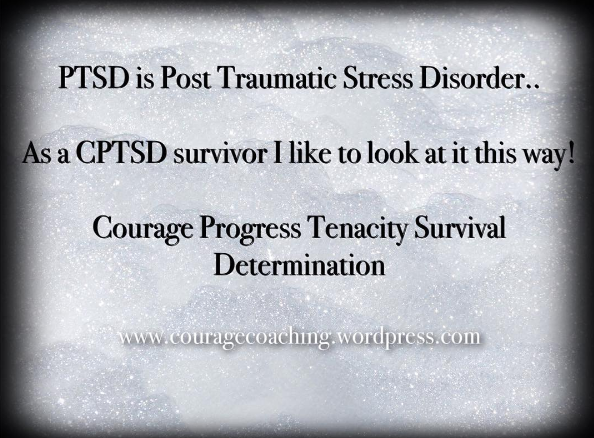
CPTSD= Courage Progress Tenacity Survival Determination

mychildwithin-healing_from_trauma-%e2%80%a2s-instagram-photos-and-videos4

Healing from PTSD is tough! Healing from Complex PTSD is even tougher.

In honour of World Suicide Prevention Awareness Day, I want to tell every single one of you survivors out there that you can look at your PTSD & CPTSD differently, just for today! ♥

C-PTSD = COURAGE PROGRESS TENACITY SURVIVAL DETERMINATION

Love ♥ Athina

© All blog posts and images are owned by me and Courage Coaching. Please don’t use without consent and only re-blog if you would like to use the information on here.
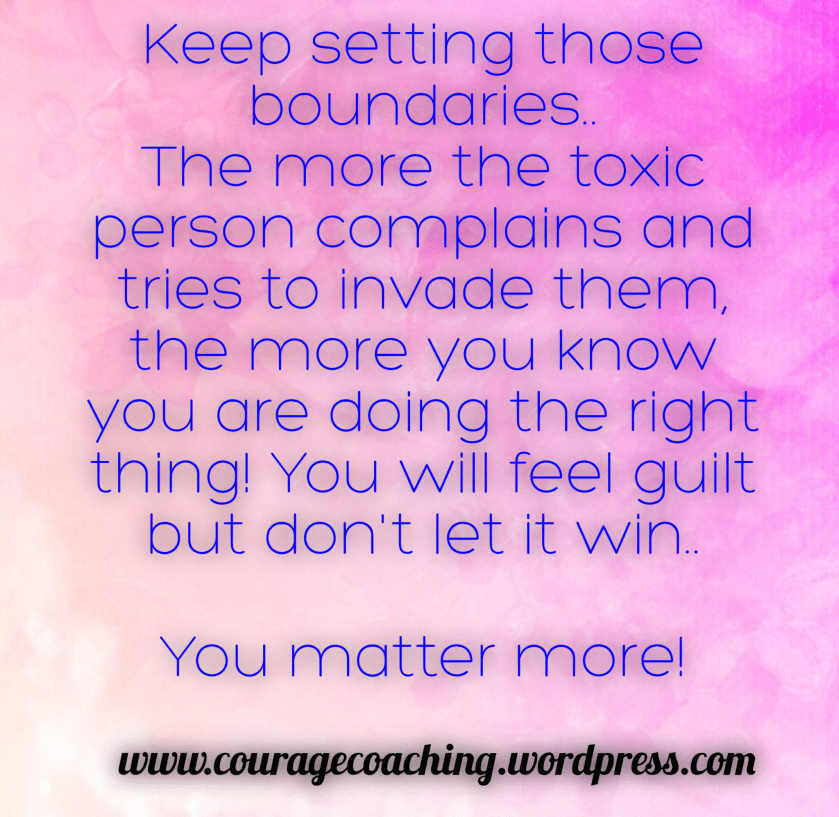
 

September 10th-World Suicide Prevention Day

fontcandy-3

Recovery from abuse- 3 basic stages & how to identify whether you have reached the acceptance stage of recovery

Happy Monday fellow bloggers. This is quite a late post, so I hope it reaches some of you.

I have just done another video on YouTube, where I talk about the 3 main stages of recovery that someone goes through, in particular concerning the recovery from childhood narcissistic abuse. I also talk a little bit about the acceptance stage of recovery, which I personally found the toughest in my own recovery.

Acceptance that you parents weren’t able to love you unconditionally, is a painful, rejecting reality. It is easier to spend most of your adult life being in denial of this, as it is such an incomprehensible reality to accept.

Once you are able to reach this stage of acceptance however, you feel like a huge burden has been lifted off you.

I wish all of you who struggle with this sort of realisation, to be able to finally reach this stage one day.

Love Athina ♥

© All blog posts and images are owned by me and Courage Coaching. Please don’t use without consent and only re-blog if you would like to use the information on here.
EMDR- Preparation & what happens in session

IMG_0926

This is the 2nd of 2 informational videos about EMDR. In this video I explain a little more about finding an EMDR therapist and what to look for, what to expect during & after a session and I also give you an idea of what happens in each of the 8 phases of EMDR Therapy.

As someone who has used EMDR, I can highly recommend it for the treatment of PTSD & CPTSD.

Love Athina ♥

© All blog posts and images are owned by me and Courage Coaching. Please don’t use without consent and only re-blog if you would like to use the information on here.


Setting boundaries with toxic people

FontCandy (86)

Love Athina ♥

© All blog posts and images are owned by me and Courage Coaching. Please don’t use without consent and only re-blog if you would like to use the information on here.
Eye Movement Desensitization & Reprocessing -EMDR (Short term therapy for trauma)

Happy Monday dear friends! I have reached 100 followers on this page and I am very grateful for those of you who have supported this new venture. My other blog mychildwithin , documents a lot more about my healing journey and has already been around for just over 1 year. For those of you who already follow it, you may have read about how successful EMDR therapy has been for me, in regards to treating my trauma.

I uploaded a very quick informational video on Youtube about what EMDR is. I will be following this video with 2nd one that focuses on EMDR in a little more detail, in which I will talk about how it feels to have EMDR and what the different phases are that you go through.

As a narcissistic childhood abuse survivor, it has helped me neutralise my biggest traumas. That said, it isn’t of course suitable for everyone. I would recommend it through my own positive experience with it but I would urge you to research it really well and only find a qualified therapist who has training in it.

Love Athina ♥

© All blog posts and images are owned by me and Courage Coaching. Please don’t use without consent and only re-blog if you would like to use the information on here.

Trauma bonding

Trauma bonding is the reason people choose abusive partners time and time again.

Trauma bonding is also known as Stockholm syndrome, something that is mentioned a lot when someone has been abducted.

Trauma bonding is something that starts in a person’s childhood, if they have suffered abuse or neglect.

If you are someone who keeps choosing emotionally unavailable partners or abusive partners, then this is why.

Love Athina ♥

© All blog posts and images are owned by me and Courage Coaching. Please don’t use without consent and only re-blog if you would like to use the information on here.

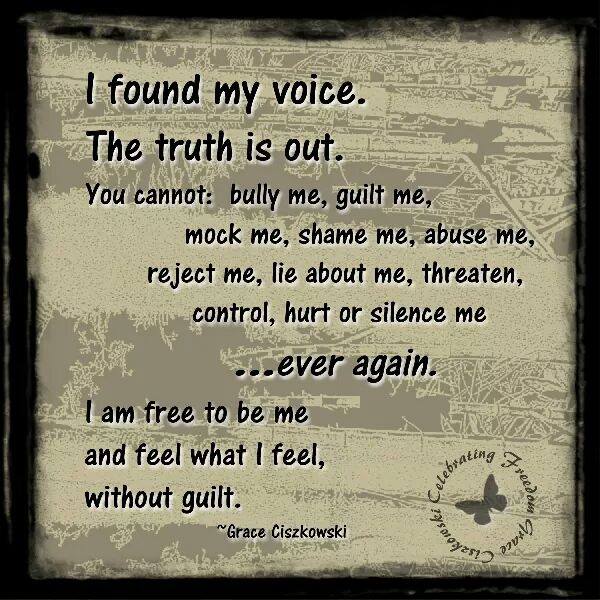
It is wrong to silence survivors of abuse

As a survivor of narcissistic abuse, and in honour of some of my followers who are also survivors of abuse, I want to do a short but very important post today about the unfortunate shaming & silencing that happens to survivors.

13934736_1212221458848183_2926432622871302405_n

It is absolutely horrendous to deny someone of their right to freely talk about their abuse and to deny them the ability to heal.Every time a survivor talks about the abuse to someone who validates them and acknowledges their pain, there is a small layer of healing taking place.

On the other hand, every time a survivor shares their story and isn’t believed, is shamed for not forgiving their abuser or is told to not go public about their abuse, it is destructive & extremely painful. It shows that the person shaming the survivor lacks empathy & understanding for the pain & trauma they have been through. It is re-traumatising and makes the survivor feel isolated & abused once again.

For those of you out there, who don’t know much about child abuse because you have been fortunate enough to grow up with healthy, loving parents please understand this:

Survivors require acknowledgement of their pain & suffering

Survivors require kindness & empathy

Survivors need to hear ‘I am so sorry for what you have been through’

Survivors need to be shown healthy lovely, healthy boundaries because they never learned these in their childhood..

Survivors DON’T want to be told to forgive their abusers

Survivors DON’T want to be told to stop talking about what happened to them just because you are uncomfortable with it.

Survivors DON’T want to be told to ‘Get over it because it was a long time ago’

Survivors DON’T need any more abuse, silencing or shaming.

Much love Athina ♥

© All blog posts and images are owned by me and Courage Coaching. Please don’t use without consent and only re-blog if you would like to use the information on here.