
Anxiety can affect our body in so many ways that sometimes it is very hard to differentiate between anxiety or something much more serious.Some symptoms are exactly the same as symptoms caused by more serious health problems, so how do we tell the difference?
It is usually helpful to get check ups with a doctor to rule out anything more serious but most of the time, a doctor can tell you if what you are experiencing is caused by anxiety.
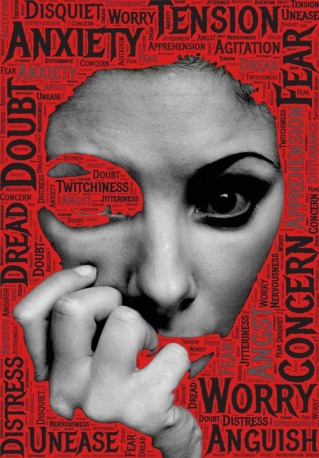
The below symptoms were directly sourced from: www.anxietycentre.com This website is the most helpful and detailed website out there regarding anxiety, that I have recommended to clients, those suffering from an anxiety disorder & also therapists.
This would be useful, to anybody out there who suffers with Generalised Anxiety, OCD, phobias, panic disorder, PTSD, CPTSD & Social Anxiety.
This website, helped me identify a lot of my own anxiety symptoms several years ago, when I was in a constant state of hyperarousal and anxiety. Shortly after this period, I was diagnosed with Complex PTSD, which finally gave me more insight into my condition.
The symptoms list on this website, were very validating for me at a time that I literally felt like I was going crazy with anxiety.
I personally have experienced the following symptoms, in addition to the most well-known symptoms that most people know about.
- Eye problems, vision symptoms
- Eyes sensitive to light
- Tingling & numbness in arms
- Frequent urination
- Bad taste in the mouth and anxiety
- A tinny, metallic, or ammonia, or unusual smell or taste
- Depersonalization
- Derealization
- Brain fog
- Tremors
Which of these symptoms have you experienced from your anxiety disorder?
Below is a detailed list of all the symptoms associated with an anxiety disorder. Did you ever think there were this many?
Body Anxiety Symptoms:
- Back pain, stiffness, tension, pressure, soreness, spasms, immobility in the back or back muscles
- Blanching (looking pale, loss of color in the face or skin)
- Blushing, turning red, flushed face, flushed skin, blushing, red face or skin
- Body aches, parts of or your entire body feels sore and achy, feels like your body and muscles are bruised
- Body jolts
- Body zaps
- Body shakes
- Body trembling, shaking, anxiety symptoms
- Body tremors
- Body temperature increase or decrease, change in body temperature
- Brain zaps
- Burning skin, itchy, crawly, prickly or other skin sensations, skin sensitivity, numbness on the skin
- Burning skin sensation on the face, neck, ears, scalp, or shoulders
- Buzzing sensation in the feet, toes, hands, fingers, arms, legs
- Chest pain anxiety symptoms
- Chest pains anxiety symptoms
- Chest tightness feeling
- Choking
- Choking feeling in throat
- Chronic Fatigue, exhaustion, super tired, worn out
- Chronic pain and anxiety
- Clumsiness, feeling clumsy, co-ordination problems with the limbs or body
- Cold chills, feeling cold all the time
- Cold flashes, flash
- Cold hands and feet
- Craving sugar, sweets, chocolate, usual craving for sugar and sweets
- Crazy thoughts
- Difficulty speaking, moving mouth, talking, co-ordination problems with the mouth or tongue
- Dizziness, feeling lightheaded, dizzy, feeling dizzy
- Electric shock feeling, body zaps
- Excess of energy, you feel you can’t relax
- Falling dropping sensation
- Feeling faint
- Feel ill and sick, yet can’t describe how you feel but that you feel ill in some way
- Feel like you are going to pass out
- Feel cold, chilly, cold all the time
- Feel wrong, different, foreign, odd, or strange
- Feels like floor is moving, swaying
- Flu-like symptoms, feel sick or ill, feel like you are coming down with the flu
- Flushed face, red face, flushed skin
- Frequent urination
- Frequent urination at night
- Frequent urination in men
- Hair loss, hair is thinning, or clumps of hair are falling out, balding
- Headaches, migraine headaches, anxiety headaches
- Head and Brain Zaps
- Head and brain zaps – medication causes
- Heart palpitations, racing heart
- Hot flash, flashes
- Hyperactivity, excess energy, nervous energy
- Hypersensitivity; super sensitive nerves, hearing, touch, tastes
- Increased or decreased sex drive
- Infection – increased infections, persistent infection
- Motion sickness feeling
- Mouth or throat clicking or grating sound/noise when you move your mouth or jaw, such as when talking
- Muscle tension, stiffness, aches, pains
- Muscles that vibrate, jitter, tremor, or shake when used
- Muscle twitching
- Muscle weakness
- Nausea
- Nausea vomiting
- Neck, back, shoulder tension and stiffness
- Neck tension
- Nervous cough
- Night sweats, waking up in a sweat, profusely sweating at night, anxiety night sweats
- No energy, feeling lethargic, tired, exhausted, chronic fatigue
- Numb tinging hands
- Numbness
- Numbness tingling, numbness and tingling
- Numbness and tingling fingers
- Numbness and tingling, and other skin sensations on hands, feet, face, head, or any other places on the body
- Pins and needles: all over, in the hands and feet, fingers, left arm, etc.
- Pounding heart, heart feels like it is beating too hard
- Pulsing or throbbing muscles. Pulsing or throbbing sensation
- Racing heart, heart palpitations
- Red skin, skin looks like or is turning red
- Rib or rib cage tightness, pressure, or feeling like a tight band around the rib cage
- Sexual Dysfunction, sexual uninterest
- Shaking anxiety feelings
- Shooting pains anxiety symptoms
- Shooting pains, stabbing pains, and odd pressures in the neck, head, or face
- Shooting pains in the face
- Shooting pains in the scalp or head
- Skipped heart beats
- Sore or tight scalp, headaches, neck tension
- Startle easily
- Sweating, profuse, excessive, uncontrollable sweating
- The floor feels like it is moving either down or up, swaying
- Tightness in the ribs or rib cage area, may also feel like a tight band around the ribs or rib cage area.
- Tingling numb hands
- Tingling, tingly, pins and needles sensations – anywhere on the body, including the hands, feet, legs, arms, head, mouth, chest, groin area
- Throat or mouth clicking or grating sound/noise when you move your mouth or jaw, such as when talking
- Trembling, shaking, tremors
- Twitching
- Unsteadiness, dizziness, feeling dizzy or lightheaded
- Urgency to urinate, sudden urge to go to the washroom, sudden urge to pee
- Warm spells
- Weak – feel weak, weakness, low energy, light, soft, like you may faint
- Weak legs, arms, or muscles
- Weak limbs/extremities
- Weight gain; sudden weight gain
- Weight loss; sudden weight loss
Fears Anxiety Symptoms:
- A heightened fear of what people think of you
- Afraid of being trapped in a place with no exits
- Constant feeling of being overwhelmed.
- Fear of being in public
- Fear of dying
- Fear of losing control
- Fear of impending doom
- Fear of making mistakes or making a fool of yourself to others
- Fear of passing out
- Fear that you are losing your mind
- Fears about irrational things, objects, circumstances, or situations
- Fears of going crazy, of dying, of impending doom, of normal things, unusual feelings and emotions, unusually frightening thoughts or feelings
- Feeling afraid all the time
- Heightened self awareness, or self-consciousness
- Need to find nearest washrooms before you can feel comfortable
- Need to sit near exits
Head Anxiety Symptoms (associated with the head):
- Anxiety headaches, migraines headaches
- Brain fog
- Burning, itchy, tight scalp
- Dizziness or light-headedness
- Frequent headaches, migraine headaches
- Feeling like there is a tight band around your head, pressure, tightness
- Hair loss, hair is thinning, or clumps of hair are falling out
- Having a humming, droning, rumbling, throbbing, vibrating-like, hissing, fizzing, or other types of sounds in your head
- Headaches, migraines
- Head, neck or shoulder tightness, stiffness, or pain
- Head zaps, head tremors. brain zaps
- Giddiness
- Numbness
- Numbness tingling, numbness and tingling
- Shooting pains, stabbing pains, and odd pressures in the neck, head, or face
- Shooting pains in the face
- Shooting pains in the scalp or head
- Tingling in Head
- When you close your eyes you feel like are beginning to, or will, float upwards
- Sore jaw that feels like a tooth ache
- TMJ (Temporo-Mandibular Joint) – clenching of the jaw or grinding of the teeth
Heart Anxiety Symptoms (associated with the heart):
- Chest pain or discomfort
- Chest pains anxiety symptoms
- Concern about the heart
- Find it hard to breath, feeling smothered, shortness of breath
- Frequent yawning to try and catch your breath
- Heart attack or anxiety attack (panic attack)
- Heart Palpitations – beating hard or too fast, rapid heartbeat
- Heart – Irregular heart rhythms, flutters or ‘skipped’ beats, tickle in the chest that makes you cough
- Pounding heart, heart feels like it is beating too hard
- Radiating pain in the left shoulder and arm
- Shooting chest pains
- Shortness of breath
- Stabbing pains in the back, fear heart problem
- Tight band around the chest, fear heart problem
Mind Anxiety Symptoms (associated with the mind and thinking):
- Afraid of everything
- Altered state of reality, consciousness, or universe feeling
- Brain Fog
- Crazy thoughts
- Deja Vu, a feeling like you’ve done or experienced something before
- Depersonalization
- Derealization
- Desensitization
- Difficulty concentrating, short-term memory loss
- Difficulty speaking
- Difficulty thinking
- Disorientation
- Easily distracted
- Fear of going crazy
- Fear of losing control
- Fear of impending doom
- Feelings of unreality
- Frequent feeling of being overwhelmed, or that there is just too much to handle or do
- Having difficulty concentrating
- Memory loss
- Nightmares, bad dreams
- Obsession about sensations or getting better
- Slow motion feeling
- Repetitive thinking or incessant ‘mind chatter’
- Short-term learning impairment, have a hard time learning new information
- Short-term memory impairment, can’t remember what I did a few days, hours, or moments ago
- Spaced out feelings, feeling spaced out
- “Stuck” thoughts; thoughts, mental images, concepts, songs, or melodies that ‘stick’ in your mind and replay over and over again.
- Trapped in your mind feeling
- Underlying anxiety, apprehension, or fear
- You often feel you are carrying the world on your shoulders
Mood Symptoms; Emotion Symptoms (associated with mood, emotions, and feelings):
- Always feeling angry and lack of patience
- Chronic Fatigue Anxiety Symptom, Syndrome
- Depersonalization
- Depression
- Dramatic mood swings
- Emotionally blunted, flat, or numb
- Emotions feel numb; emotionally numb
- Emotional flipping (dramatic mood swings)
- Emotions feel wrong
- Everything is scary, frightening
- Feeling down in the dumps
- Feeling like things are unreal or dreamlike
- Frequently being on edge or ‘grouchy’
- Frustration, frustrated, anxiety frustration
- Feel like crying for no apparent reason
- Have no feelings about things you used to
- Irritability, irritated, easily annoyed
- Mood swings
- Not feeling like yourself, detached from loved ones, emotionally numb
- Underlying anxiety, apprehension, or fear
- You feel like you are under pressure all the time
Mouth, Voice, Stomach, and Digestive System Anxiety Symptoms (associated with the mouth, voice, stomach, and digestive system):
- Bad taste in the mouth and anxiety
- A tinny, metallic, or ammonia, or unusual smell or taste
- Aerophagia (swallowing too much air, stomach distention, belching)
- Burning mouth, feeling like the inside of your mouth is burning, or tingling, or like pins and needles, or all of these together or at different times
- Burping, belching, frequent or excessive burping and belching, gas
- Burning tongue, feeling like your tongue is burning, or tingling, or like pins and needles
- Choking
- Constant craving for sugar or sweets
- Constant lump in the throat feeling
- Constipation
- Diarrhea
- Difficulty swallowing
- Difficulty talking, pronouncing certain letters or sounds, mouth feels like it isn’t moving right, slurred speech
- Dry mouth
- Esophageal spasms
- Feeling like you can’t swallow properly or that something will get caught in your throat
- Feeling like your tongue is swollen
- IBS
- Lack of appetite, Loss of appetite
- Lump in the throat, tight throat, something stuck in your throat
- Mouth muscles twitching/jumping
- Mouth or throat clicking or grating sound/noise when you move your mouth or jaw, such as when talking
- Nausea
- Nausea vomiting
- Nausea or abdominal stress
- Nervous stomach
- Stomach upset, gas, belching, bloating
- Teeth grinding
- The thought of eating makes you nauseous
- Tight throat, lump in throat
- Throat or mouth clicking or grating sound/noise when you move your mouth or jaw, such as when talking
- TMJ
- Tongue symptoms – Tingly, stretched, numb, frozen, itchy, crawly, burning, twitching, jumpy, aching, sore, or swollen tongue (when it isn’t).
- Urgency to urinate, frequent urination, sudden urge to go to the washroom
- Voice changes: shaky, crackly, raspy, unsteady, hoarseness, broken, cracked, weak, random pitch, uneven tone, loss of voice, etc.
- Vomiting
Skin Anxiety Symptoms (anxiety symptoms associated with the skin):
- Burning itching skin (hands, feet, face, lips, etc.)
- Burning skin sensations, skin sensitivity
- Itching burning skin but no rash
- Numbness
- Numbness tingling, numbness and tingling
- Red skin, looks like your skin is red or turning red for no reason
- Skin feels cold, wet
- Skin problems, infections, rashes
Sleep Anxiety Symptoms (anxiety symptoms associated with sleep and sleep problems):
- Difficulty falling or staying asleep
- Frequent bad, bizarre, or crazy dreams
- Hearing sounds in your head that jolt you awake
- Insomnia, or waking up ill in the middle of the night
- Jolting awake
- Waking up in a panic attack
- You feel worse in the mornings
Sight Anxiety Symptoms (anxiety symptoms associated with the eyes and sight):
- Distorted, foggy, or blurred vision
- Dry, watery or itchy eyes
- Eye tricks, seeing things our of the corner of your eye that isn’t there, stars, flashes
- Eye problems vision symptoms
- Eyes sensitive to light
- Spots in the vision
- Flashing lights when eyes are closed
- Your depth perception feels wrong
Touch Anxiety Symptoms (anxiety symptoms associated with the sense of touch):
- Burning skin sensations, skin sensitivity
- Feeling cold or chilled
- Numbness
- Numbness tingling, numbness and tingling
- Pain
- Pins and needles: all over, in the hands and feet, fingers, left arm, etc.
Love Athina ♥
© All blog posts and images are owned by me and Courage Coaching. Please don’t use without consent and only re-blog if you would like to use the information on here.





 When I was twelve, I was coming home from swimming at my neighbor’s dock when I saw an ambulance’s flashing lights in our driveway. I still remember the asphalt burning my feet as I stood, paralyzed, and watched the paramedics take away my father. It was as if I knew those flashing lights were a harbinger that my childhood was over.
 “Anyone can give up, it’s the easiest thing in the world to do. But to hold it together when everyone else would understand if you fell apart, that’s true strength.” ~Unknown
