Complicated grief for adult survivors of abuse

Societal mandates assert that loss is accompanied by a conventional paradigm of grief, replete with ceremonial rituals and a finite process of mourning. Yet when the loss pertains to more intangible sources of grief such as prolonged abuse and trauma, one size does not fit all.

Adult survivors of child abuse, beset by complex post-traumatic stress disorder often grapple with persistent complicated bereavement disorder. They are plagued by persistent yearnings for the love and normalcy they never had. They are weighed down by innumerable intangible losses such as safety, dignity, belonging and a cohesive sense of self.

Family as Sacrosanct

For adult survivors of chronic child abuse the notion of ‘family as sacrosanct’ is a principle that fosters confusion, alienation, shame and outrage. Within the context of familial sacredness doctrines are explicit. Love thy mother and father and honor their function and authority.

However, when that mother or father robbed that child of his/her birthright, their innocence, their childhood, even their Self, who gets to determine how that child should ‘appropriately’ respond to sundry losses or the most glaringly pivotal loss of a parent’s passing? How is the survivor to measure up to a proclamation that has no bearing on her history or her reality?

Anecdotal Forgiveness

Anecdotal forgiveness seems to be the standard advice handed out to survivors of abuse. Survivors are advised to offer absolution to the abusive parent regardless of whether the abuser has attempted any sort of restitution. Ostensibly, this will set the abuse survivor free and concomitantly confer them the designation of good son/daughter. With religious zeal, this approach is considered a crowning achievement.

As you can see from everything written in this article  http://pro.psychcentral.com/complicated-bereavement-for-adult-survivors-of-abuse/0011089.html# asking someone to forgive their abusive parent, is like throwing salt into an already extremely painful wound, especially when that parent never apologised or felt remorse.

Recipient of the Lifetime Achievement Award from the International society for Traumatic Stress Studies, Dr. Judith Herman, refers to the aforementioned construct as the forgiveness fantasy. Dr. Herman states:

“Forgiveness is a relational process. “‘I forgive you’ is the response to a heartfelt apology and request for forgiveness. If the apology is never made, the process of forgiveness cannot take place. And “genuine contrition in a perpetrator is a rare miracle.”

I completely agree with Dr Herman’s words!

Those of you who feel that you have to forgive, don’t!

Inspired by https://bodyelectricweb.wordpress.com/ on expressing anger and the topic of forgiveness. If I were her, I don’t think a perpetrator deserves forgiveness if there is no remorse.
Child abuse, Complex PTSD & managing emotional flashbacks

****Please share & re-blog this post to help as many others as possible****

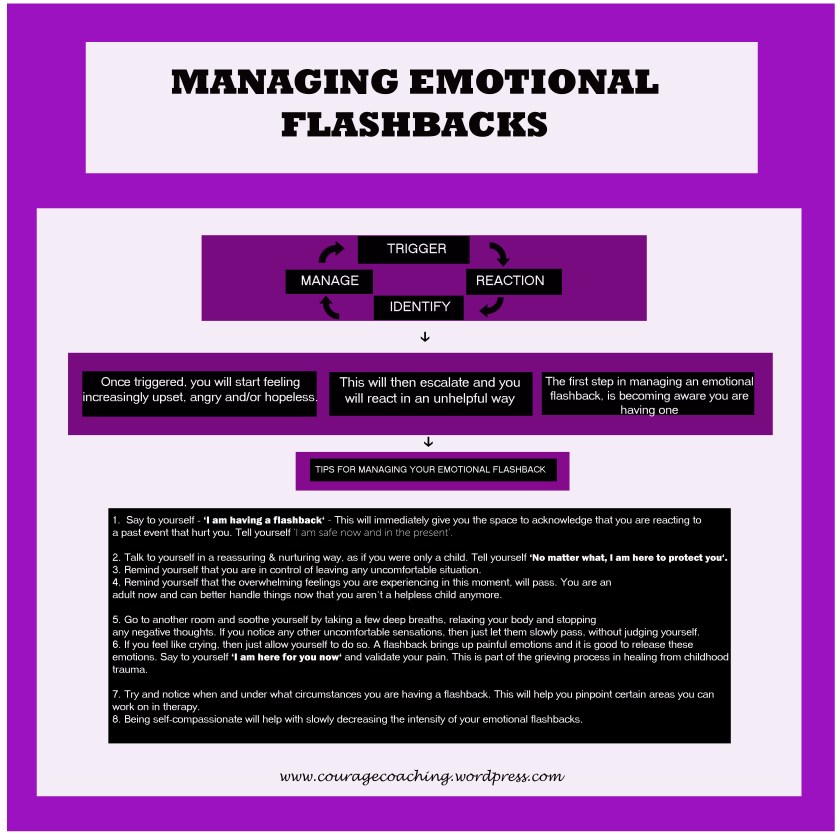
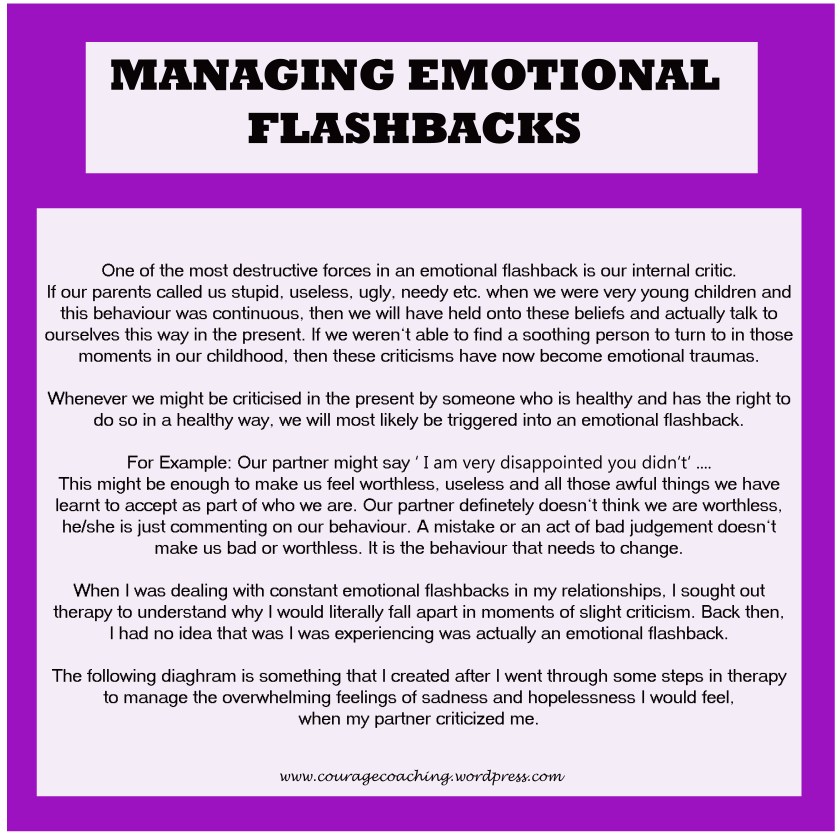
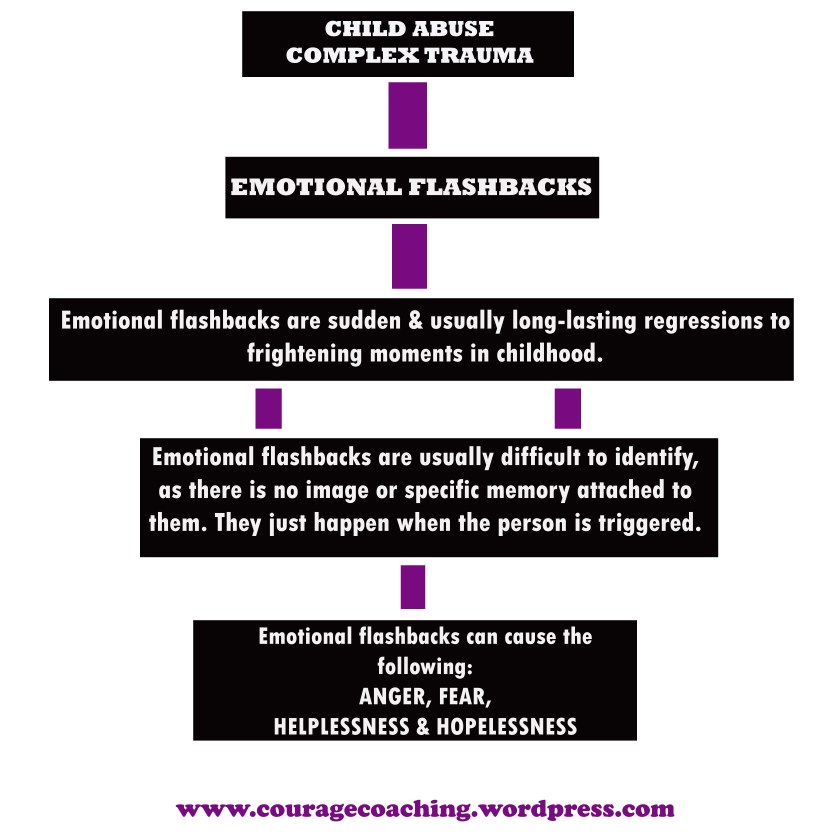
This blog post might be useful to anybody out there who suffers with Complex PTSD, who has suffered from childhood abuse or who has a loved one who suffers with a mental illness. I have created the below charts to assist those of you who might need a clearer map of how complex trauma affects individuals and why they might have moments of overreacting to criticism, an angry tone of voice or a stern look. Emotional flashbacks are explained and a list of coping skills are included, which I have used extensively throughout my own healing over the last 4 years. I find that boxes, colours and diagrams are very useful for me to remember things, especially because my own Complex PTSD affects my memory and cognitive function. Forgive me if there are any errors.

Please note that I have also added links under each image, so you can download these diagrams for your own free use.

Below is also a video I just did on YouTube! It is around 7 minutes long, if you can bare it 😉

emotional flashbacks 2

https://drive.google.com/file/d/0B7k454c6xtmnUWJxaFJZd1VILTQ/view?usp=sharing


emotional flashbacks


https://drive.google.com/file/d/0B7k454c6xtmnQ3VXZmVzOU9fZk0/view?usp=sharing

diagram of emot

https://drive.google.com/file/d/0B7k454c6xtmnMDNDdnQyRUlEeXM/view?usp=sharing


Thanks for reading

Much love Athina ♥

© All blog posts and images are owned by me and Courage Coaching. Please don’t use without consent and only re-blog if you would like to use the information on here.

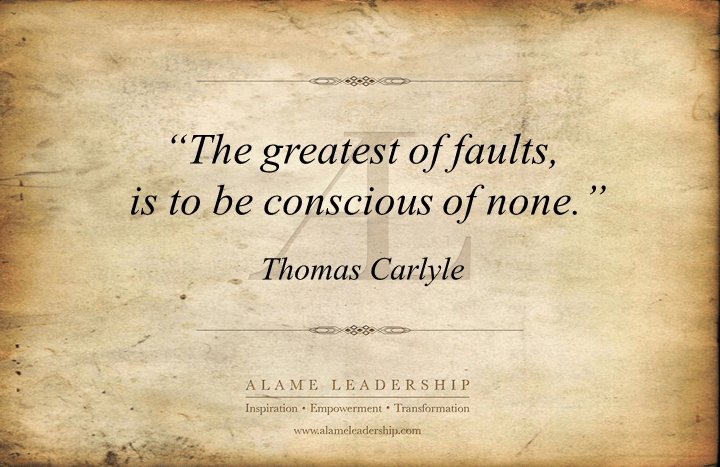
The importance of self-reflection & self-awareness

69125-quotes-about-self-reflection

This quote speaks to me in so many ways..

Through coaching, I aim to guide people find their answers through enabling them to self-reflect on where they are at currently and where they want to be. Self-reflection is very important in the process of change, as is persistence (which I talked about in this previous blog post- The importance of persistence).

The driving force behind change, is when an individual is able to look at their current life and notice that there is something negative popping up for them. If we feel negative or sad about something, then this can be the one thing that pushes us to make lasting change. If we don’t have self-awareness however, we remain stuck in a sad or negative existence and just keep repeating the same mistakes or habits over and over again.

As a survivor of complex trauma, I luckily became self-aware from a young age. I noticed I was struggling more than other children at school and had really low confidence. I found it very difficult to focus on school work the older I got and when I hit 15 I was already very depressed.I used art & poetry as a way to self-soothe and manage my emotional pain and luckily sought therapy when I was 17.

Over the years, with extensive therapy, I learned to tap into my emotional self-awareness even more. I continued to question my choices and behaviours and realised that actually it wasn’t my fault I was so sensitive and depressed but actually that my parents were both narcissistic, specifically with NPD. I was diagnosed at 29 as having Complex Post Traumatic stress and was told by my therapist that I was incredibly resilient and able to self-reflect a lot more than most of her clients. I left the session that day happy to be someone with self-awareness and wouldn’t change this for the world!

Self-awareness is incredibly hard for people with NPD, as well as the ability to feel empathy for others. When a healthy individual hurts others and causes them distress, they usually genuinely apologise and try to make a change for the better. For people that are aware of their actions, of their flaws, are sensitive to their body sensations, sensitive to their health and are also able to make sensible choices, change comes more easily.

What are your thoughts? How destructive have you found people that lack self-awareness?What difficulties have you had? Are their times when it took you a few failed attempts to finally have an epiphany about an unhelpful behaviour you may have had?

Thanks for reading

Much love Athina ♥

© All blog posts and images are owned by me and Courage Coaching. Please don’t use without consent and only re-blog if you would like to use the information on here.


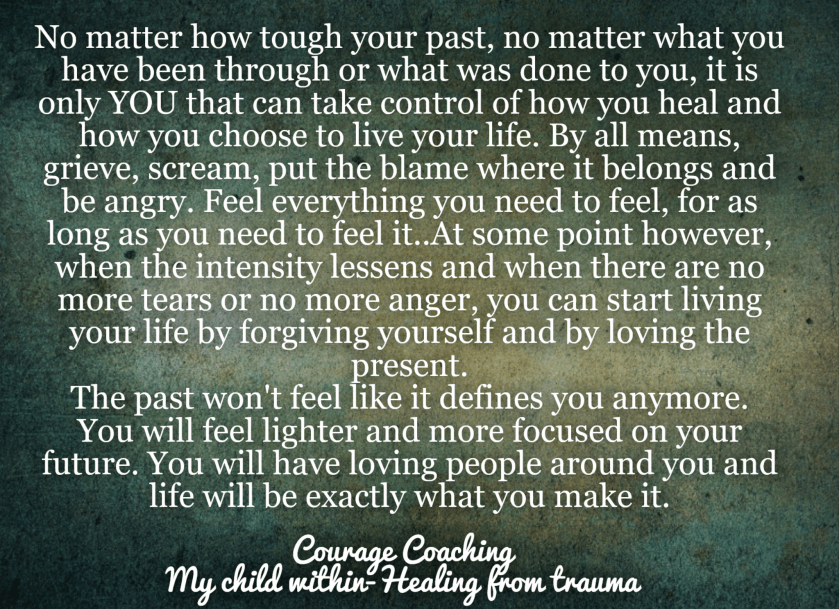
Take control of your own healing

FontCandy (38)

Every healing journey is unique to each person. No journey should be judged, minimised or discounted.

Whether it is childhood abuse, emotional, sexual or physical abuse, domestic abuse, grief, a single trauma or multiple traumas, nobody has the right to criticize someone else’s journey.

If you have compassion and maybe share what helped you, it doesn’t necessarily mean it will help others in the same way. Having compassion and empathy is so crucial. Listening, without trying to fix is also important.

After you reach a certain point in your healing, you will notice that things get easier. The intensity of certain emotions lessen and your sense of self-protection and boundaries are solid. If you suffer from a mental illness, it doesn’t necessarily mean it will go away. You eventually just learn to accept that it is a part of you and that you can handle it in a self-compassionate way.

What is your experience with healing?

Do you believe you will reach a point in your recovery where things eventually feel better?

Are you persistent in practicing self-care and healing with appropriate professional support?

Don’t forget that healing is a very up and down process. It isn’t always straightforward. Sometimes just as you are starting to feel better, something else comes along which needs processing. It might feel that you are back to square one again but this really isn’t the case.

Changes happen in very small ways sometimes and it depends on whether you have regular support.

Always be kind to yourself and others going through a process of healing ♥

Love Athina ♥

© All blog posts and images are owned by me and Courage Coaching. Please don’t use without consent and only re-blog if you would like to use the information on here.


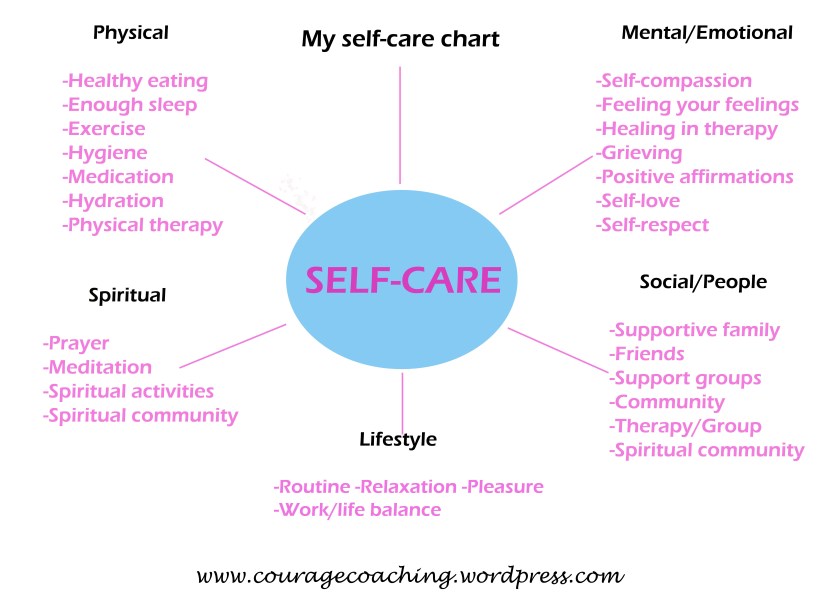
Self-care chart

my self-care chart - courage coaching

When you are struggling from a mental illness, self-care can sometimes take a back seat.

You forget or are unable to eat properly. You have trouble sleeping which then results in not having the motivation and energy to do much at all. You can become more isolated when trying to cope and can even forget to ask for support.

This little chart above gives you a little insight into the important things to consider.

The 2 most important areas in my opinion are physical and mental self-care but a balance amongst all 5 of these areas is crucial, as they are interlinked.

If you feel that there are any areas of self-care that you are particularly struggling with, then please let me know in the comments below. I would be happy to help you come up with an easy action plan, that might enable you to move forward.

Love Athina ♥

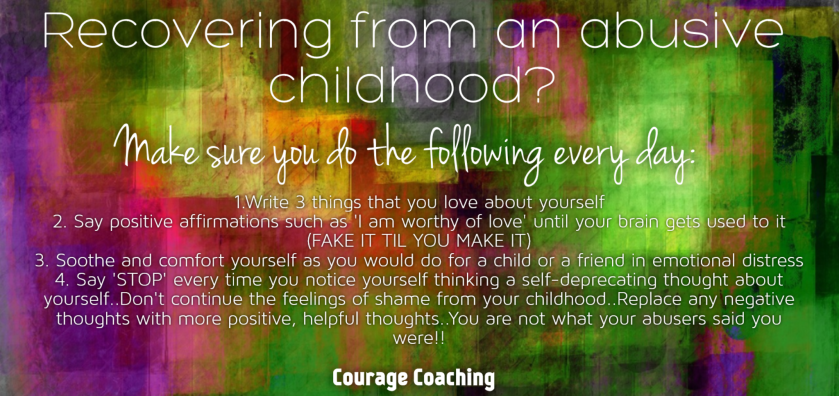
Breaking the cycle of your childhood abuse-Start being kind to yourself

FontCandy (24)

Of course it isn’t as simple as the 4 things written in the photo but it is definetely true that in order to break the horrible pattern of abuse from your childhood, you have to stop abusing yourself. YOU hold the answers to how much you will recover and it is up to you to start changing your thought patterns day by day..Nobody ever said it would be easy but it is possible..

The internalised messages of ‘You are not good enough, you are stupid’ are just repeats of what your abusers told you. They aren’t the ‘real’ you! The real you is a worthwhile person who deserves love and happiness.The real you is a person who deserves to heal and doesn’t need a nasty inner critic. With the help of a therapist or a coach, you can keep yourself on track. By having someone to report to, this might help you be more motivated. It is very important to keep trying as your brain needs sustained effort to learn ‘new, healthier messages’. That is why it is important to practice the above steps every day.

Your brain needs time to destroy the old habit wiring already in existence and then build new wiring for your new empowering positive affirmations.

Whatever your mind keeps hearing, it will eventually accept as truth. So what you want to do is to start repeating your new positive thoughts to yourself. Do it constantly. Do it repeatedly. Do it daily. Do it with passion, conviction and belief.