When you grew up in a home with dysfunction, chaos and unpredictable emotional outbursts, your mind and body is constantly thrown into a state of emotional dysregulation. Home didn’t feel safe, so you also didn’t feel safe. When unpredictable and unfair demands were placed on you as a child, this will have caused long term problems with hyper vigilance, low self-worth, shame, anxiety and depression. CPTSD will be the end result of growing up with emotionally immature and/or toxic parents.
As an adult, you will struggle with certain very basic every day things. Normal changes that are very much a part of life, may feel huge for someone with CPTSD. A sudden change in plans, a packed train, an illness or a delayed flight can all create immense anxiety in someone with a history of trauma.
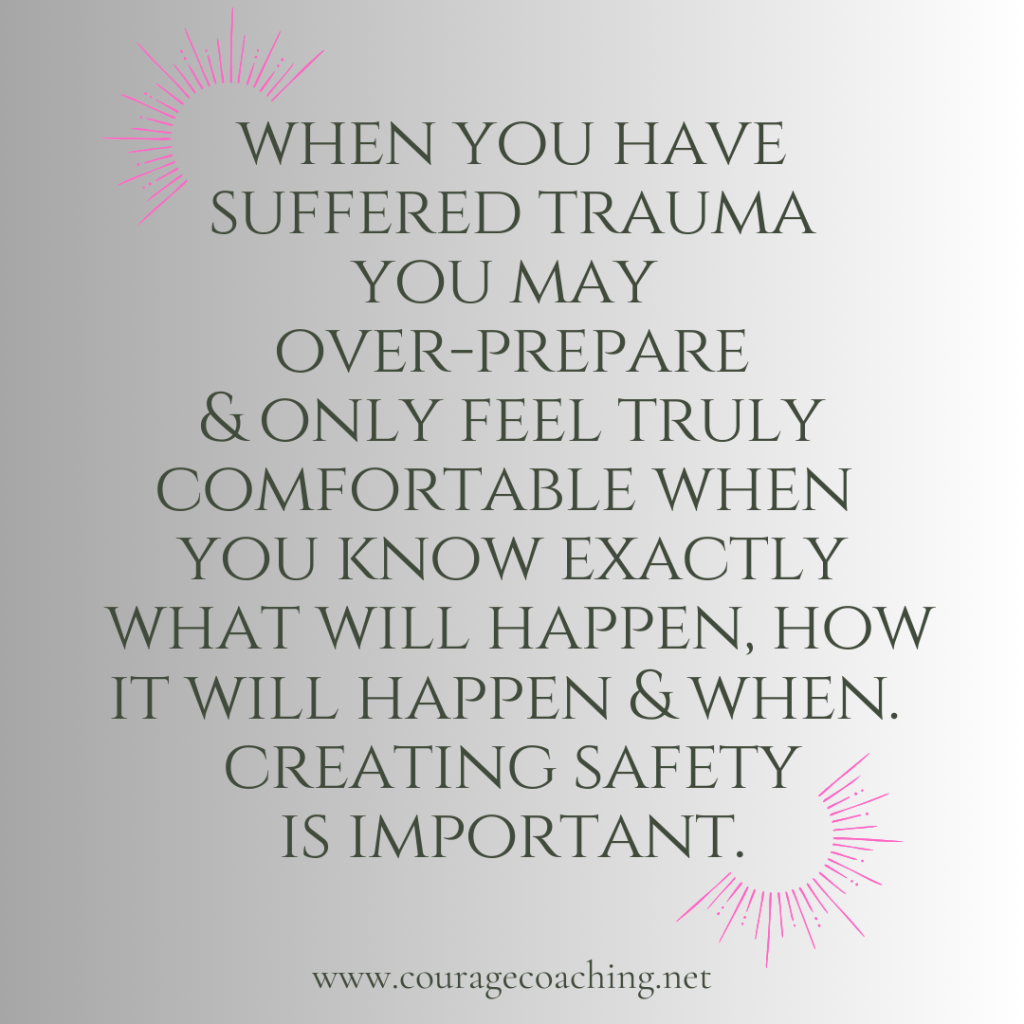
When you live with CPTSD, over-preparing and knowing the details of things in advance, can ease your anxiety and help you feel more comfortable.
Creating safety as much as possible, helps trauma survivors feel better.
Creating regular routines and predictable outcomes can also be very helpful.
It is of course impossible to control everything in your environment, but being prepared can very much help.
When things don’t go as planned, having a back-up plan can create a safety net. Having certain objects with you that provide comfort, can also be extremely helpful.
What is your experience with this? I would love to know in the comments below!
Cognitive Bypassing is the practice of avoiding feelings by detouring into cognitive ideas or beliefs. It means that we tend to overthink in order to avoid uncomfortable emotions such as grief, fear or anger.
There is nothing wrong with using cognitive strategies as part of your emotional well-being. However, when every negative emotion must be analysed, changed or explained cognitively, this is counterproductive. Compulsively adding cognition to emotion means that you don’t ever allow your traumas to fully heal. The uncomfortable truth is that there is a component of painful emotions that simply must be felt, as hard as that may be to hear.
Healing trauma has more to do with embracing the feeling in the body than holding on to the thoughts of the mind. Somatic healing is crucial in recovery from trauma when you live with CPTSD. Allowing yourself to grieve the losses of your childhood is also a huge part of the healing process. Throwing CBT techniques at clients who suffer with trauma just isn’t enough!
Different therapies that enable us to somatically process trauma are very important in healing childhood trauma. Art therapy, dance therapy, drama therapy, play therapy as well as somatic healing, EMDR, sensorimotor therapy and accelerated experiential dynamic psychotherapy are all very important.
Most of us who have experienced trauma, find ways to constantly avoid our emotions by overthinking but also by comfort eating, doing drugs or drinking alcohol, being compulsive, dissociating and so much more.
How many of us actually just sit with our uncomfortable emotions and allow ourselves to self soothe, allow ourselves to have a good cry and share what we are actually feeling? Do we actually allow ourselves to feel our sadness or fear and just give it the space to be present without analysing it? This isn’t easy for many of us. As much as it isn’t easy, we have to find ways to make room for it and really feel whatever comes up.
Ever since I made my youtube video ‘How does PTSD affect intimate relationships’, I have had so many of you contact me with questions about how to cope and support your partners. The reality is that it takes a very strong person to love someone who lives with PTSD, as they also live with it indirectly.
Loving someone with PTSD can easily takes its’ toll on the relationship and on the partner doing all the supporting. It can affect intimacy, communication & the expression of emotion.
The person with PTSD may not be able to work full time or may not be able to work at all.
It is of course very different for each individual relationship, as the severity of the PTSD is unique to each individual.
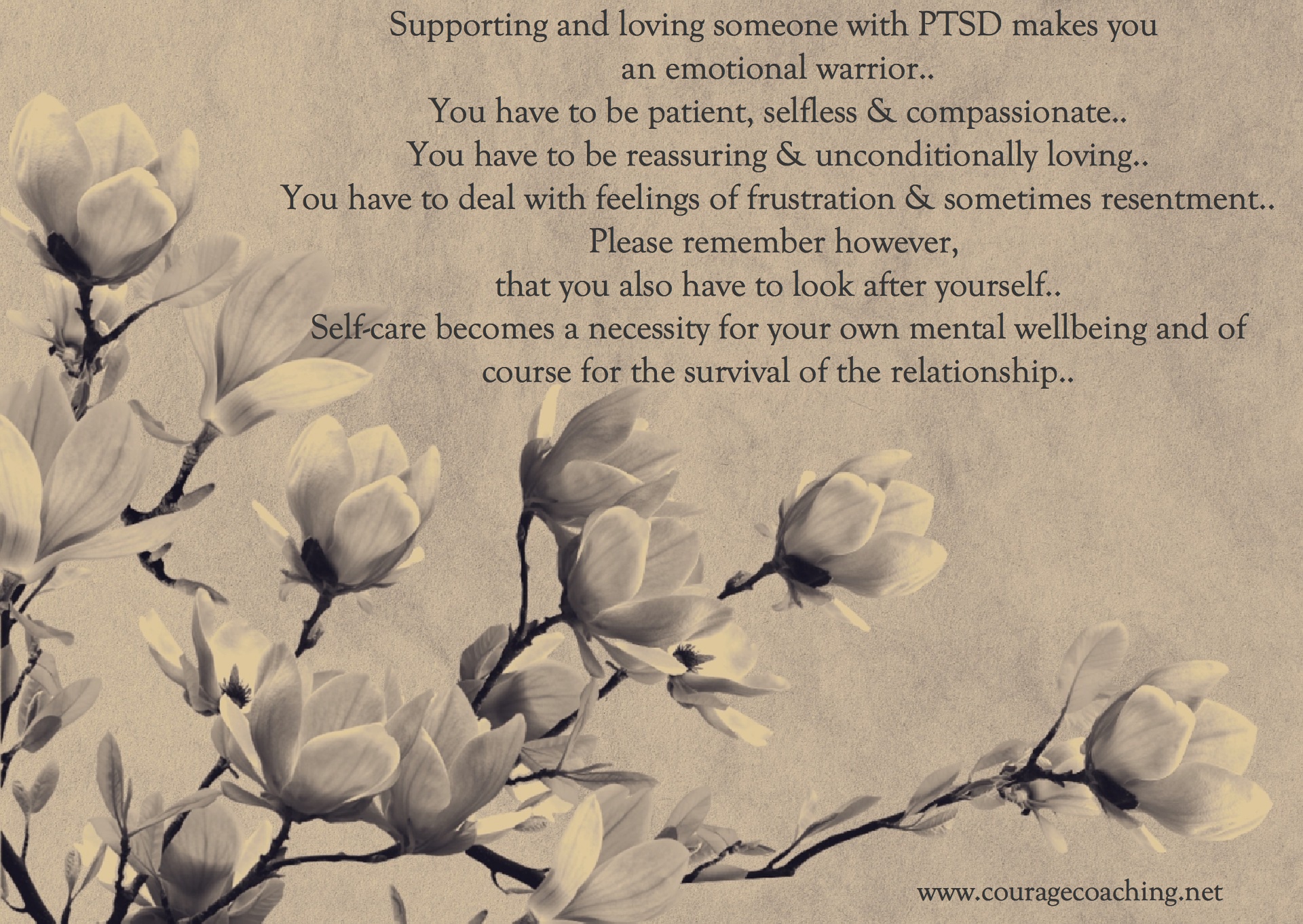
The most important thing to remember is that both partners have to practice self-care..
The one doing the supporting can also end up suffering from depressive episodes or anxiety..They may also generally feel mentally exhausted..
Breaks are very important and the partner of someone with PTSD, may at times need to take a mental holiday away from their partner..This is completely OK and almost necessary for the survival of the relationship.
Thanks so much for reading and please share this post if you think it may help someone!
Wishing all you wonderful readers and fellow bloggers a wonderful Christmas (although a little late) and I really hope that you managed to find beauty & love in your surroundings, even if you were grieving or not having such a good time today. If not, then know you were not alone in your grief! I hope that you were loved or at least were able to spoil yourselves.
The exhaustion which comes as a result of suffering with the above conditions is constantly present. No matter how much you sleep or rest, you never seem to feel completely rejuvenated.
The following blog post by Roland Bal further explains this:
Mental illness has always been a part of my life. Whether it is through my own personal journey, through my family’s or watching friends struggle.
Although I haven’t been writing on here much, mental health will always remain a very important cause that I will always talk about. It is crucial for anybody struggling with mental illness to feel heard, to feel validated & to feel safe.
Empathy & understanding are necessary and we must all do our best to listen without judgement.
Life can sometimes throw us a curveball and none of us will ever know when this might happen.
Talk about mental health!
Be open & honest!
Be understanding!
Listen & give plenty of hugs to those struggling!
Sometimes that is enough to make someone’s day a little better!
It’s been an extremely busy few days for me recently, which means my blog posts and youtube videos have had to take a back seat.
Work has been a priority, with little time for writing and reflecting.
I have also had an influx of emails from people needing immediate support dealing with narcissistic individuals. It always deeply saddens me to hear all the grief so many are currently experiencing and sometimes I wish I could just take all their pain away.
The ‘No contact’ question has been popping up a lot, so in this video I stress the importance of acceptance. Acceptance in this case, of the fact that a narcissist isn’t able to love or empathize and isn’t going to change and treat you better.
Once you manage to reach a place of acceptance through grief and talking with a professional, it is then easier to make the decision to go ‘no contact’.
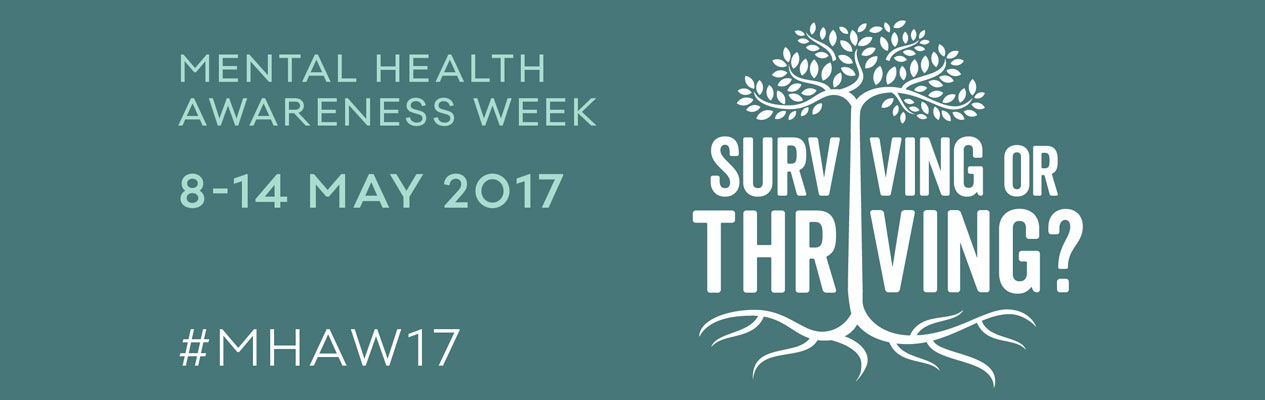
Ending the stigma of mental health is still proving to be a challenge, although in the UK we are getting ever closer to our goal of a deeper understanding, tolerance & acceptance of the importance of talking about our mental health.
As somebody who has never known what life is like without mental health problems, I know how difficult it is to be open and honest about it..People are still uncomfortable with knowing what to say or not say..Even if they try to be understanding, deep down you can sense whether they get it or they don’t..
Every single one of us is touched by stress or anxiety at some point in our lives, whereas others live with it every day…I am one of those people who lives with chronic mental health problems..Complex PTSD isn’t something to be taken lightly..There are still so many moments in my life at the age of 34 that I still learn new things about myself that I am not able to do, that others would find incredibly easy to complete. The hypervigilance and overwhelm never goes away..The chronic fatigue never goes away..The low mood is always lingering in the background..The voice that says ‘you are just not good enough’, pops up a lot when I am working alongside others…
Self-care is so important in these moments and remembering to accept ourselves when we are struggling can make a world of difference!
Walking the same path as others with mental illness really helps people feel less alone..
All the wonderful people who ran the London Marathon raising money for Mental Health are simply incredible..
If you think about how much these runners must have battled with those nasty little voices inside their head, it makes you feel incredibly inspired. The voice of depression or the voice of anxiety is not an easy task to manage..but yet they did it, and in what an admirable way!
I am also blessed to have many friends & fellow bloggers who do so much to raise awareness about mental health! They have all been personally affected however and live with debilitating conditions themselves..
The most crucial part in my opinion of raising awareness, is to also hear more people talking about mental health that don’t have any personal experience with it..People that feel concerned about someone they know but just don’t know how to respond..People that are lucky enough to live with good mental health and are surrounded by people who aren’t that lucky..
If you have experience with ill mental health, stigma or intolerance, then please feel free to comment.
Lastly, I would also like to share my latest information video on defence mechanisms. I was having a bad day yesterday and couldn’t face the camera to film myself talk, so I came up with this instead.
Today marks 1 year since I started Courage Coaching and I can definetely say it has been totally worth it!
Although I wasn’t new to wordpress 1 year ago, I was very new to coaching!
Since completing my certification and coaching my first clients, it has been both exciting and challenging.
Through creating my small youtube channel, I have helped support people, that I would otherwise not have been able to reach.This channel has grown at a steady pace and my videos (and sound quality) have also improved over time (with the help of my viewers 🙂 of course).
It has been a very interesting first year and I have felt very grateful for all the lovely comments, support and exciting opportunities that have been part of my journey so far.
Sharing my knowledge with others and giving people hope, has been a truly humbling experience.
When I myself was in a dark place in the past, all I wanted was hope and guidance. The few but very special people that gave me this hope and guidance, will never truly know what a huge part they played in the successes I now am grateful for.
It is so valuable to know that there is always a tiny speck of light in that neverending darkness we may sometimes face in our life.
Childhood trauma produces physiological effects upon the developing brain that have an adverse effect upon the individual’s stress response system.
Childhood trauma is likely to increase a person’s vulnerability to falling victim to Chronic Fatigue Syndrome (CFS).
FACTS ABOUT CFS.
The symptoms of CFS are as follows :
– persistent fatigue/exhaustion which affects everyday life and is not rectified by sleep or rest
– in the UK, the condition is thought to affect approximately a quarter of a million people
– the condition is more prevalent in females than in males
– it normally affects people between about the ages of 20 – 45 years; however, it can begin during childhood – if so, it normally begins between the ages of 13 and 15 years
CFS can be split into 3 different levels of severity :
– MILD : the person can probably care for him/herself, but may require days off in order to rest
– MODERATE : at this level the individual may well experience reduced mobility, disturbed sleep, as well as a need to sleep in the afternoon
– SEVERE : at this level the person will have significantly decreased mobility, possible impairments to his/her ability to concentrate as well as greatly reduced ability to perform many everyday tasks
Individuals with CFS who were tested in various studies, had higher overall trauma scores than those without CFS.
Exposure to trauma increases the risk of CFS between three and eight times, depending on the type. Emotional neglect and sexual abuse during childhood were most strongly associated with CFS.
It generally appears that CFS is part of a spectrum of disorders that are associated with childhood adversity.
Do you suffer with Chronic Fatigue Syndrome?
As someone who lives with CPTSD, I would say that I suffer from it moderately.

 Today marks 1 year since I started Courage Coaching and I can definetely say it has been totally worth it!
 couragecoaching.net