
Cognitive Bypassing & trauma

Cognitive Bypassing is the practice of avoiding feelings by detouring into cognitive ideas or beliefs. It means that we tend to overthink in order to avoid uncomfortable emotions such as grief, fear or anger.

There is nothing wrong with using cognitive strategies as part of your emotional well-being. However, when every negative emotion must be analysed, changed or explained cognitively, this is counterproductive. Compulsively adding cognition to emotion means that you don’t ever allow your traumas to fully heal. The uncomfortable truth is that there is a component of painful emotions that simply must be felt, as hard as that may be to hear.

Healing trauma has more to do with embracing the feeling in the body than holding on to the thoughts of the mind. Somatic healing is crucial in recovery from trauma when you live with CPTSD. Allowing yourself to grieve the losses of your childhood is also a huge part of the healing process. Throwing CBT techniques at clients who suffer with trauma just isn’t enough!

Different therapies that enable us to somatically process trauma are very important in healing childhood trauma. Art therapy, dance therapy, drama therapy, play therapy as well as somatic healing, EMDR, sensorimotor therapy and accelerated experiential dynamic psychotherapy are all very important.

Most of us who have experienced trauma, find ways to constantly avoid our emotions by overthinking but also by comfort eating, doing drugs or drinking alcohol, being compulsive, dissociating and so much more.

How many of us actually just sit with our uncomfortable emotions and allow ourselves to self soothe, allow ourselves to have a good cry and share what we are actually feeling? Do we actually allow ourselves to feel our sadness or fear and just give it the space to be present without analysing it? This isn’t easy for many of us. As much as it isn’t easy, we have to find ways to make room for it and really feel whatever comes up.
The spotlight effect – A result of narcissistic parenting

If you hate being the center of attention and constantly worry about what people are saying about you, then you may have what is known as the spotlight effect, a term coined by social psychologists.

The spotlight effect is a cognitive bias and it refers to the tendency to overestimate how much other people notice about us.

If you have social anxiety, then you most likely also struggle with the spotlight effect.

The spotlight effect can be detrimental to living your life fully, as it holds you back from allowing yourself to be ‘seen’ by others.

Watch the video to find out more and please feel free to share your experiences in the comments.

For one to one coaching, please feel free to email me at: courageisallyouneed@gmail.com

Love Athina

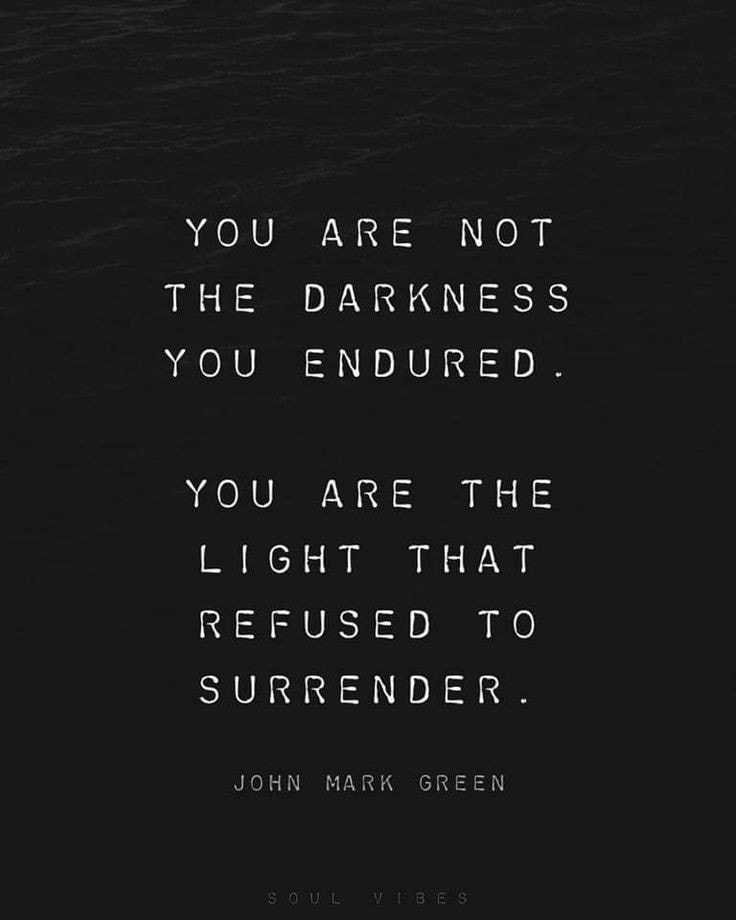
You are the light that refused to surrender

‘You are the light that refused to surrender’ is a wonderful way to look at your healing journey after experiencing trauma.

If you, like me, have a history of trauma, you will be very familiar with the ups and downs of living with CPTSD. For me personally, having hope in my lowest moments, was the 1 thing that kept me going when things truly felt hopeless. 

Having hope means that you allow yourself to believe that the day WILL come where you WILL feel better, where things will feel less scary, less isolating and less depressing.

It’s important to never stop hoping when things get tough and to allow yourself to embrace that feeling wholeheartedly. 

Practicing gratitude is also extremely important for improving mental health. Be grateful for any tiny steps of progress you make, even if you managed to do 1 additional thing today that you didn’t manage to do the day before.

Living with mental illness is never easy but it can be manageable. Living with mental illness means that you might have to constantly make adjustments to the way you live your life, in order to feel better. These adjustments may look like the following: Changing your diet, adding more exercise to your daily routine, cutting out sugar, moving to the countryside, ending a relationship, leaving a stressful job, practicing meditation, seeking out support from a specialised therapist, going on a retreat, taking supplements and/or using medication. Each journey with mental illness is unique so what might work for one person may not necessarily work for another. Try things out, see what works and go from there.

Darkness may have been a big part of your past and may still creep up on you in the present. This is realistic as life can be tough even when you don’t live with a mental illness.The only way through this darkness however is to find the light. The light could be anything: a therapist, a close friend, a partner, a beloved pet, being in nature, a safe space, art, music or anything else that brings you comfort.

Most importantly however, you must try and find the light within yourself, within your heart and soul. 

In those moments of relentless anxiety, depression or emotional flashbacks, love yourself unconditionally.  Take yourself by the hand, like you would a small child and tell yourself  ‘ I’ve got you, you are not alone’… ‘ I am there for you, unconditionally’.

If you are having a tough day, then I hope this post helps a little.

Keep going..keep living..you’ve got this!

Love Athina x

6 Lies narcissistic parents tell their children

Narcissistic parents are incredibly destructive to a child’s emotional & mental wellbeing. The 6 lies I talk about in this video, are very common in most narcissistically abusive households.

If this is your background or if you suspect that your upbringing may have been dysfunctional, then this video is for you!

Love Athina

The importance of being emotionally intelligent

Emotional intelligence refers to the ability to identify and manage one’s own emotions, as well as the emotions of others.

Emotional intelligence is the one part of the human psyche that we can develop and improve by learning and practising new skills.

  • People with higher emotional intelligence find it easier to form and maintain interpersonal relationships and to ‘fit in’ to group situations.
  • People with higher emotional intelligence are also better at understanding their own psychological state, which can include managing stress effectively and being less likely to suffer from depression.

My newest video on my youtube channel, talks about emotional intelligence in more detail.

Love Athina ♥

© All blog posts and images are owned by me and Courage Coaching. Please don’t use without consent and only re-blog if you would like to use the information on here.

Do I have C-PTSD? New video questionnaire which will help you identify this!

A lot of research has gone into this video which has a questionnaire about helping people identify whether they might be suffering with CPTSD. I set up a poll on my youtube page, asking my subscribers to choose a video topic out of 4 options and this video was the most popular choice.

As I myself have answered ‘Yes’ to around 34 out of the 40 questions on this questionnaire and have also been diagnosed with CPTSD from 3 different therapists, I know that this questionnaire is very accurate. I created it to help my clients feel validated and to provide a stepping stone in the right direction towards their healing journey.

It is highly important to stress that there are 2 different types of abuse that a child can suffer in their family home. Overt abuse and covert abuse. Most abuse survivors, who have experienced a combination of these 2 types of abuse, will answer ‘YES’ to all 40 questions and will have all CPTSD symptoms, as well as visual, physical and other sensory flashbacks, along with extreme dissociation. Those survivors who have only suffered from covert abuse, also score high on this questionnaire (as much as 38 out of 40). This proves the severity of both types of abuse and sadly many therapists don’t take covert abuse seriously, when they should.

I wholeheartedly hope you find it helpful and if you think others will find it useful and validating, then please share this post as much as possible, .

Also please feel free to add your answers in the comments below this post, or on my youtube channel! Please specify whether you experienced overt abuse or covert abuse or both.

Thank you!

Love Athina ♥


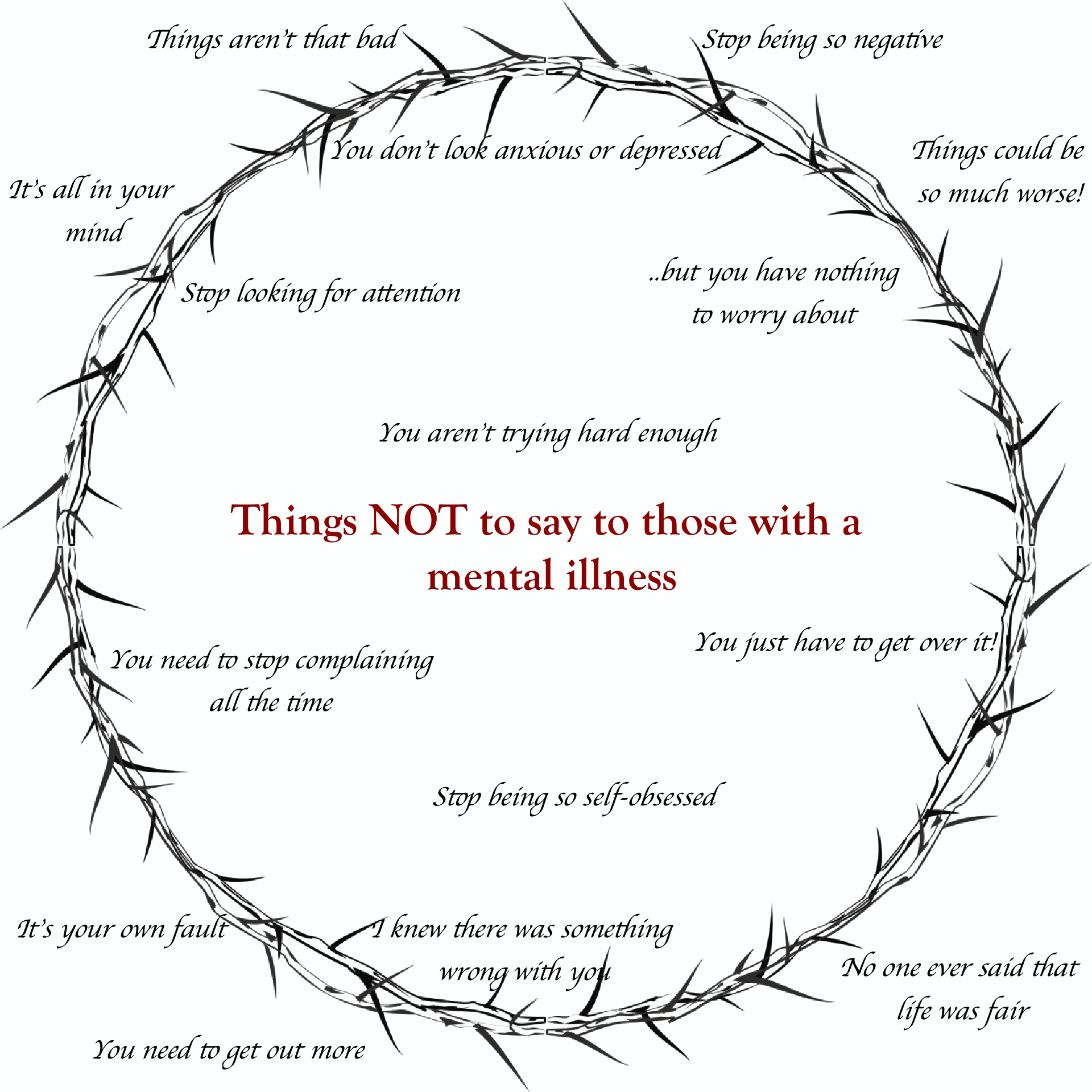
Things not to say to those with a mental illness

crown-of-thorns-2773399_Fotor
  Love Athina ♥ © All blog posts and images are owned by me and Courage Coaching. Please don’t use without consent and only re-blog if you would like to use the information on here.

High functioning depression

Happy Monday dear friends & followers!

After a wonderful 10 days off work, celebrating my birthday with friends and exploring new places with my husband, I am feeling grateful and refreshed.

Today’s topic is especially important to me, as someone I care about deeply is currently suffering with this type of depression.

Although high functioning depression is a milder form of depression, it is equally as important as other types of depression.

When it comes to depression, many of us envision a person caught in the depths of despair and hopelessness, who wants nothing more than to stay in bed and avoid people and work completely. We envision someone who has lost all interest in the things they love, who may be feeling suicidal and is barely holding it together.

Although the above isn’t inaccurate, it doesn’t portray life as a high functioning depressive.

When someone suffers with mild or high functioning depression, the typical joy and laughter they once felt, is usually replaced by an absence of emotion and a very deep feeling of emptiness.
This is known as anhedonia and it is the loss of interest in previously rewarding or enjoyable activities.

To the outside world they seem like they are coping fine. They are still able to go to work every day and communicate effectively. They are still able to reach goals and get out of bed in the morning.

The most unfortunate part of those with this milder form of depression is that when they talk about their feelings to loved ones and even doctors, they aren’t taken seriously enough.

Unless someone is literally unable to function, they seem to be dismissed as not having anything to worry about. This isn’t good!

When life circumstances change, those experiencing mild depression may be at greater risk for moderate to severe depression if treatment isn’t sought early enough.

This is also discussed in my youtube video, so feel free to share if you think it may help someone you know.

Love Athina ♥

© All blog posts and images are owned by me and Courage Coaching. Please don’t use without consent and only re-blog if you would like to use the information on here.

Mental Health Awareness week

32ce6e_73173c5b28504cf4b73dd1f1d98bd913~mv2

Ending the stigma of mental health is still proving to be a challenge, although in the UK we are getting ever closer to our goal of a deeper understanding, tolerance & acceptance of the importance of talking about our mental health.

As somebody who has never known what life is like without mental health problems, I know how difficult it is to be open and honest about it..People are still uncomfortable with knowing what to say or not say..Even if they try to be understanding, deep down you can sense whether they get it or they don’t..

Every single one of us is touched by stress or anxiety at some point in our lives, whereas others live with it every day…I am one of those people who lives with chronic mental health problems..Complex PTSD isn’t something to be taken lightly..There are still so many moments in my life at the age of 34 that I still learn new things about myself that I am not able to do, that others would find incredibly easy to complete. The hypervigilance and overwhelm never goes away..The chronic fatigue never goes away..The low mood is always lingering in the background..The voice that says ‘you are just not good enough’, pops up a lot when I am working alongside others…

Self-care is so important in these moments and remembering to accept ourselves when we are struggling can make a world of difference!

Walking the same path as others with mental illness really helps people feel less alone..

All the wonderful people who ran the London Marathon raising money for Mental Health are simply incredible..

If you think about how much these runners must have battled with those nasty little voices inside their head, it makes you feel incredibly inspired. The voice of depression or the voice of anxiety is not an easy task to manage..but yet they did it, and in what an admirable way!

I am also blessed to have many friends & fellow bloggers who do so much to raise awareness about mental health! They have all been personally affected however and live with debilitating conditions themselves..

The most crucial part in my opinion of raising awareness, is to also hear more people talking about mental health that don’t have any personal experience with it..People that feel concerned about someone they know but just don’t know how to respond..People that are lucky enough to live with good mental health and are surrounded by people who aren’t that lucky..

If you have experience with ill mental health, stigma or intolerance, then please feel free to comment.

Lastly, I would also like to share my latest information video on defence mechanisms. I was having a bad day yesterday and couldn’t face the camera to film myself talk, so I came up with this instead.

Thanks so much for reading & watching!

Love Athina ♥

© All blog posts and images are owned by me and Courage Coaching. Please don’t use without consent and only re-blog if you would like to use the information on here.