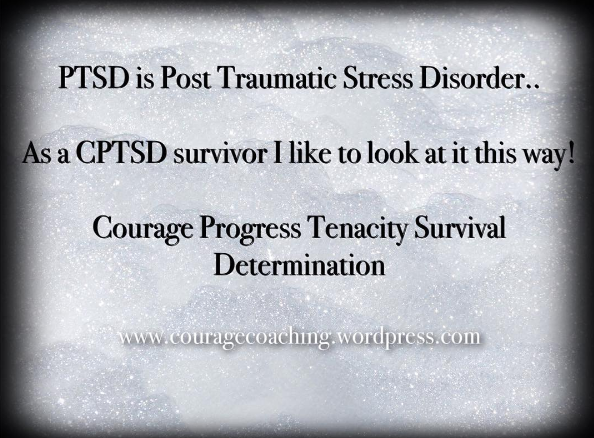
CPTSD= Courage Progress Tenacity Survival Determination

mychildwithin-healing_from_trauma-%e2%80%a2s-instagram-photos-and-videos4

Healing from PTSD is tough! Healing from Complex PTSD is even tougher.

In honour of World Suicide Prevention Awareness Day, I want to tell every single one of you survivors out there that you can look at your PTSD & CPTSD differently, just for today! ♥

C-PTSD = COURAGE PROGRESS TENACITY SURVIVAL DETERMINATION

Love ♥ Athina

© All blog posts and images are owned by me and Courage Coaching. Please don’t use without consent and only re-blog if you would like to use the information on here.


YouTube video:Is it possible to completely cure Complex PTSD?Tips for a better chance at healing.

I hope you are all enjoying your weekend to the best of your ability.To those of you struggling at the moment, I hope you are doing ok and reaching out for support. The blogging community is filled with wonderful, caring people and it is important to keep this community positive and encouraging. To those of you who need it, I am sending you a big hug! ♥ Take it one step at a time ♥

As some of my regural readers know, I am off to London tomorrow until Thursday to visit family and friends, while my husband is away for work.My Youtube videos are usually posted every Monday, however due to the fact I am off to London tomorrow, I decided to do this one a little earlier.

I talk about Complex PTSD once again, as there are so many of you who suffer with it and I am pretty sure that you need some hope, to keep fighting it and keep moving forward. Through lots of research and from my own personal experience, I talk about the most helpful things you can do to support your healing.

Much love Athina ♥

© All blog posts and images are owned by me and Courage Coaching. Please don’t use without consent and only re-blog if you would like to use the information on here.

Symptoms of anxiety that you may not know about

Anxiety can affect our body in so many ways that sometimes it is very hard to differentiate  between anxiety or something much more serious.Some symptoms are exactly the same as symptoms caused by more serious health problems, so how do we tell the difference? 

It is usually helpful to get check ups with a doctor to rule out anything more serious but most of the time, a doctor can tell you if what you are experiencing is caused by anxiety.

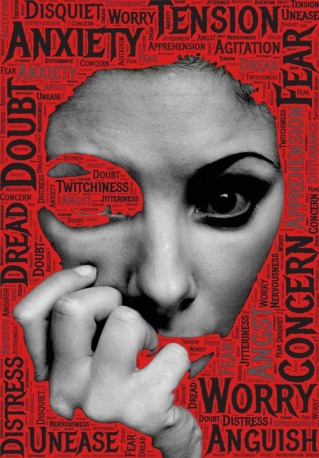
angst-807726_960_720

The below symptoms were directly sourced from: www.anxietycentre.com This website is the most helpful and detailed website out there regarding anxiety, that I have recommended to clients, those suffering from an anxiety disorder & also therapists.

This would be useful, to anybody out there who suffers with Generalised Anxiety, OCD, phobias, panic disorder, PTSD, CPTSD & Social Anxiety.

This website, helped me identify a lot of my own anxiety symptoms several years ago, when I was in a constant state of hyperarousal and anxiety. Shortly after this period, I was diagnosed with Complex PTSD, which finally gave me more insight into my condition.

The symptoms list on this website, were very validating for me at a time that I literally felt like I was going crazy with anxiety.

I personally have experienced the following symptoms, in addition to the most well-known symptoms that most people know about.

  • Eye problems, vision symptoms
  • Eyes sensitive to light
  • Tingling & numbness in arms
  • Frequent urination
  • Bad taste in the mouth and anxiety
  • A tinny, metallic, or ammonia, or unusual smell or taste
  • Depersonalization
  • Derealization
  • Brain fog
  • Tremors

Which of these symptoms have you experienced from your anxiety disorder?

Below is a detailed list of all the symptoms associated with an anxiety disorder. Did you ever think there were this many?

Body Anxiety Symptoms:

  • Back pain, stiffness, tension, pressure, soreness, spasms, immobility in the back or back muscles
  • Blanching (looking pale, loss of color in the face or skin)
  • Blushing, turning red, flushed face, flushed skin, blushing, red face or skin
  • Body aches, parts of or your entire body feels sore and achy, feels like your body and muscles are bruised
  • Body jolts
  • Body zaps
  • Body shakes
  • Body trembling, shaking, anxiety symptoms
  • Body tremors
  • Body temperature increase or decrease, change in body temperature
  • Brain zaps
  • Burning skin, itchy, crawly, prickly or other skin sensations, skin sensitivity, numbness on the skin
  • Burning skin sensation on the face, neck, ears, scalp, or shoulders
  • Buzzing sensation in the feet, toes, hands, fingers, arms, legs
  • Chest pain anxiety symptoms
  • Chest pains anxiety symptoms
  • Chest tightness feeling
  • Choking
  • Choking feeling in throat
  • Chronic Fatigue, exhaustion, super tired, worn out
  • Chronic pain and anxiety
  • Clumsiness, feeling clumsy, co-ordination problems with the limbs or body
  • Cold chills, feeling cold all the time
  • Cold flashes, flash
  • Cold hands and feet
  • Craving sugar, sweets, chocolate, usual craving for sugar and sweets
  • Crazy thoughts
  • Difficulty speaking, moving mouth, talking, co-ordination problems with the mouth or tongue
  • Dizziness, feeling lightheaded, dizzy, feeling dizzy
  • Electric shock feeling, body zaps
  • Excess of energy, you feel you can’t relax
  • Falling dropping sensation
  • Feeling faint
  • Feel ill and sick, yet can’t describe how you feel but that you feel ill in some way
  • Feel like you are going to pass out
  • Feel cold, chilly, cold all the time
  • Feel wrong, different, foreign, odd, or strange
  • Feels like floor is moving, swaying
  • Flu-like symptoms, feel sick or ill, feel like you are coming down with the flu
  • Flushed face, red face, flushed skin
  • Frequent urination
  • Frequent urination at night
  • Frequent urination in men
  • Hair loss, hair is thinning, or clumps of hair are falling out, balding
  • Headaches, migraine headaches, anxiety headaches
  • Head and Brain Zaps
  • Head and brain zaps – medication causes
  • Heart palpitations, racing heart
  • Hot flash, flashes
  • Hyperactivity, excess energy, nervous energy
  • Hypersensitivity; super sensitive nerves, hearing, touch, tastes
  • Increased or decreased sex drive
  • Infection – increased infections, persistent infection
  • Motion sickness feeling
  • Mouth or throat clicking or grating sound/noise when you move your mouth or jaw, such as when talking
  • Muscle tension, stiffness, aches, pains
  • Muscles that vibrate, jitter, tremor, or shake when used
  • Muscle twitching
  • Muscle weakness
  • Nausea
  • Nausea vomiting
  • Neck, back, shoulder tension and stiffness
  • Neck tension
  • Nervous cough
  • Night sweats, waking up in a sweat, profusely sweating at night, anxiety night sweats
  • No energy, feeling lethargic, tired, exhausted, chronic fatigue
  • Numb tinging hands
  • Numbness
  • Numbness tingling, numbness and tingling
  • Numbness and tingling fingers
  • Numbness and tingling, and other skin sensations on hands, feet, face, head, or any other places on the body
  • Pins and needles: all over, in the hands and feet, fingers, left arm, etc.
  • Pounding heart, heart feels like it is beating too hard
  • Pulsing or throbbing muscles. Pulsing or throbbing sensation
  • Racing heart, heart palpitations
  • Red skin, skin looks like or is turning red
  • Rib or rib cage tightness, pressure, or feeling like a tight band around the rib cage
  • Sexual Dysfunction, sexual uninterest
  • Shaking anxiety feelings
  • Shooting pains anxiety symptoms
  • Shooting pains, stabbing pains, and odd pressures in the neck, head, or face
  • Shooting pains in the face
  • Shooting pains in the scalp or head
  • Skipped heart beats
  • Sore or tight scalp, headaches, neck tension
  • Startle easily
  • Sweating, profuse, excessive, uncontrollable sweating
  • The floor feels like it is moving either down or up, swaying
  • Tightness in the ribs or rib cage area, may also feel like a tight band around the ribs or rib cage area.
  • Tingling numb hands
  • Tingling, tingly, pins and needles sensations – anywhere on the body, including the hands, feet, legs, arms, head, mouth, chest, groin area
  • Throat or mouth clicking or grating sound/noise when you move your mouth or jaw, such as when talking
  • Trembling, shaking, tremors
  • Twitching
  • Unsteadiness, dizziness, feeling dizzy or lightheaded
  • Urgency to urinate, sudden urge to go to the washroom, sudden urge to pee
  • Warm spells
  • Weak – feel weak, weakness, low energy, light, soft, like you may faint
  • Weak legs, arms, or muscles
  • Weak limbs/extremities
  • Weight gain; sudden weight gain
  • Weight loss; sudden weight loss

Fears Anxiety Symptoms:

  • A heightened fear of what people think of you
  • Afraid of being trapped in a place with no exits
  • Constant feeling of being overwhelmed.
  • Fear of being in public
  • Fear of dying
  • Fear of losing control
  • Fear of impending doom
  • Fear of making mistakes or making a fool of yourself to others
  • Fear of passing out
  • Fear that you are losing your mind
  • Fears about irrational things, objects, circumstances, or situations
  • Fears of going crazy, of dying, of impending doom, of normal things, unusual feelings and emotions, unusually frightening thoughts or feelings
  • Feeling afraid all the time
  • Heightened self awareness, or self-consciousness
  • Need to find nearest washrooms before you can feel comfortable
  • Need to sit near exits

Head Anxiety Symptoms (associated with the head):

  • Anxiety headaches, migraines headaches
  • Brain fog
  • Burning, itchy, tight scalp
  • Dizziness or light-headedness
  • Frequent headaches, migraine headaches
  • Feeling like there is a tight band around your head, pressure, tightness
  • Hair loss, hair is thinning, or clumps of hair are falling out
  • Having a humming, droning, rumbling, throbbing, vibrating-like, hissing, fizzing, or other types of sounds in your head
  • Headaches, migraines
  • Head, neck or shoulder tightness, stiffness, or pain
  • Head zaps, head tremors. brain zaps
  • Giddiness
  • Numbness
  • Numbness tingling, numbness and tingling
  • Shooting pains, stabbing pains, and odd pressures in the neck, head, or face
  • Shooting pains in the face
  • Shooting pains in the scalp or head
  • Tingling in Head
  • When you close your eyes you feel like are beginning to, or will, float upwards
  • Sore jaw that feels like a tooth ache
  • TMJ (Temporo-Mandibular Joint) – clenching of the jaw or grinding of the teeth

Heart Anxiety Symptoms (associated with the heart):

  • Chest pain or discomfort
  • Chest pains anxiety symptoms
  • Concern about the heart
  • Find it hard to breath, feeling smothered, shortness of breath
  • Frequent yawning to try and catch your breath
  • Heart attack or anxiety attack (panic attack)
  • Heart Palpitations – beating hard or too fast, rapid heartbeat
  • Heart – Irregular heart rhythms, flutters or ‘skipped’ beats, tickle in the chest that makes you cough
  • Pounding heart, heart feels like it is beating too hard
  • Radiating pain in the left shoulder and arm
  • Shooting chest pains
  • Shortness of breath
  • Stabbing pains in the back, fear heart problem
  • Tight band around the chest, fear heart problem

Mind Anxiety Symptoms (associated with the mind and thinking):

  • Afraid of everything
  • Altered state of reality, consciousness, or universe feeling
  • Brain Fog
  • Crazy thoughts
  • Deja Vu, a feeling like you’ve done or experienced something before
  • Depersonalization
  • Derealization
  • Desensitization
  • Difficulty concentrating, short-term memory loss
  • Difficulty speaking
  • Difficulty thinking
  • Disorientation
  • Easily distracted
  • Fear of going crazy
  • Fear of losing control
  • Fear of impending doom
  • Feelings of unreality
  • Frequent feeling of being overwhelmed, or that there is just too much to handle or do
  • Having difficulty concentrating
  • Memory loss
  • Nightmares, bad dreams
  • Obsession about sensations or getting better
  • Slow motion feeling
  • Repetitive thinking or incessant ‘mind chatter’
  • Short-term learning impairment, have a hard time learning new information
  • Short-term memory impairment, can’t remember what I did a few days, hours, or moments ago
  • Spaced out feelings, feeling spaced out
  • “Stuck” thoughts; thoughts, mental images, concepts, songs, or melodies that ‘stick’ in your mind and replay over and over again.
  • Trapped in your mind feeling
  • Underlying anxiety, apprehension, or fear
  • You often feel you are carrying the world on your shoulders

Mood Symptoms; Emotion Symptoms (associated with mood, emotions, and feelings):

  • Always feeling angry and lack of patience
  • Chronic Fatigue Anxiety Symptom, Syndrome
  • Depersonalization
  • Depression
  • Dramatic mood swings
  • Emotionally blunted, flat, or numb
  • Emotions feel numb; emotionally numb
  • Emotional flipping (dramatic mood swings)
  • Emotions feel wrong
  • Everything is scary, frightening
  • Feeling down in the dumps
  • Feeling like things are unreal or dreamlike
  • Frequently being on edge or ‘grouchy’
  • Frustration, frustrated, anxiety frustration
  • Feel like crying for no apparent reason
  • Have no feelings about things you used to
  • Irritability, irritated, easily annoyed
  • Mood swings
  • Not feeling like yourself, detached from loved ones, emotionally numb
  • Underlying anxiety, apprehension, or fear
  • You feel like you are under pressure all the time

Mouth, Voice, Stomach, and Digestive System Anxiety Symptoms (associated with the mouth, voice, stomach, and digestive system):

  • Bad taste in the mouth and anxiety
  • A tinny, metallic, or ammonia, or unusual smell or taste
  • Aerophagia (swallowing too much air, stomach distention, belching)
  • Burning mouth, feeling like the inside of your mouth is burning, or tingling, or like pins and needles, or all of these together or at different times
  • Burping, belching, frequent or excessive burping and belching, gas
  • Burning tongue, feeling like your tongue is burning, or tingling, or like pins and needles
  • Choking
  • Constant craving for sugar or sweets
  • Constant lump in the throat feeling
  • Constipation
  • Diarrhea
  • Difficulty swallowing
  • Difficulty talking, pronouncing certain letters or sounds, mouth feels like it isn’t moving right, slurred speech
  • Dry mouth
  • Esophageal spasms
  • Feeling like you can’t swallow properly or that something will get caught in your throat
  • Feeling like your tongue is swollen
  • IBS
  • Lack of appetite, Loss of appetite
  • Lump in the throat, tight throat, something stuck in your throat
  • Mouth muscles twitching/jumping
  • Mouth or throat clicking or grating sound/noise when you move your mouth or jaw, such as when talking
  • Nausea
  • Nausea vomiting
  • Nausea or abdominal stress
  • Nervous stomach
  • Stomach upset, gas, belching, bloating
  • Teeth grinding
  • The thought of eating makes you nauseous
  • Tight throat, lump in throat
  • Throat or mouth clicking or grating sound/noise when you move your mouth or jaw, such as when talking
  • TMJ
  • Tongue symptoms – Tingly, stretched, numb, frozen, itchy, crawly, burning, twitching, jumpy, aching, sore, or swollen tongue (when it isn’t).
  • Urgency to urinate, frequent urination, sudden urge to go to the washroom
  • Voice changes: shaky, crackly, raspy, unsteady, hoarseness, broken, cracked, weak, random pitch, uneven tone, loss of voice, etc.
  • Vomiting

Skin Anxiety Symptoms (anxiety symptoms associated with the skin):

  • Burning itching skin (hands, feet, face, lips, etc.)
  • Burning skin sensations, skin sensitivity
  • Itching burning skin but no rash
  • Numbness
  • Numbness tingling, numbness and tingling
  • Red skin, looks like your skin is red or turning red for no reason
  • Skin feels cold, wet
  • Skin problems, infections, rashes

Sleep Anxiety Symptoms (anxiety symptoms associated with sleep and sleep problems):

  • Difficulty falling or staying asleep
  • Frequent bad, bizarre, or crazy dreams
  • Hearing sounds in your head that jolt you awake
  • Insomnia, or waking up ill in the middle of the night
  • Jolting awake
  • Waking up in a panic attack
  • You feel worse in the mornings

Sight Anxiety Symptoms (anxiety symptoms associated with the eyes and sight):

  • Distorted, foggy, or blurred vision
  • Dry, watery or itchy eyes
  • Eye tricks, seeing things our of the corner of your eye that isn’t there, stars, flashes
  • Eye problems vision symptoms
  • Eyes sensitive to light
  • Spots in the vision
  • Flashing lights when eyes are closed
  • Your depth perception feels wrong

Touch Anxiety Symptoms (anxiety symptoms associated with the sense of touch):

  • Burning skin sensations, skin sensitivity
  • Feeling cold or chilled
  • Numbness
  • Numbness tingling, numbness and tingling
  • Pain
  • Pins and needles: all over, in the hands and feet, fingers, left arm, etc.


Love Athina ♥

© All blog posts and images are owned by me and Courage Coaching. Please don’t use without consent and only re-blog if you would like to use the information on here.


EMDR- Preparation & what happens in session

IMG_0926

This is the 2nd of 2 informational videos about EMDR. In this video I explain a little more about finding an EMDR therapist and what to look for, what to expect during & after a session and I also give you an idea of what happens in each of the 8 phases of EMDR Therapy.

As someone who has used EMDR, I can highly recommend it for the treatment of PTSD & CPTSD.

Love Athina ♥

© All blog posts and images are owned by me and Courage Coaching. Please don’t use without consent and only re-blog if you would like to use the information on here.


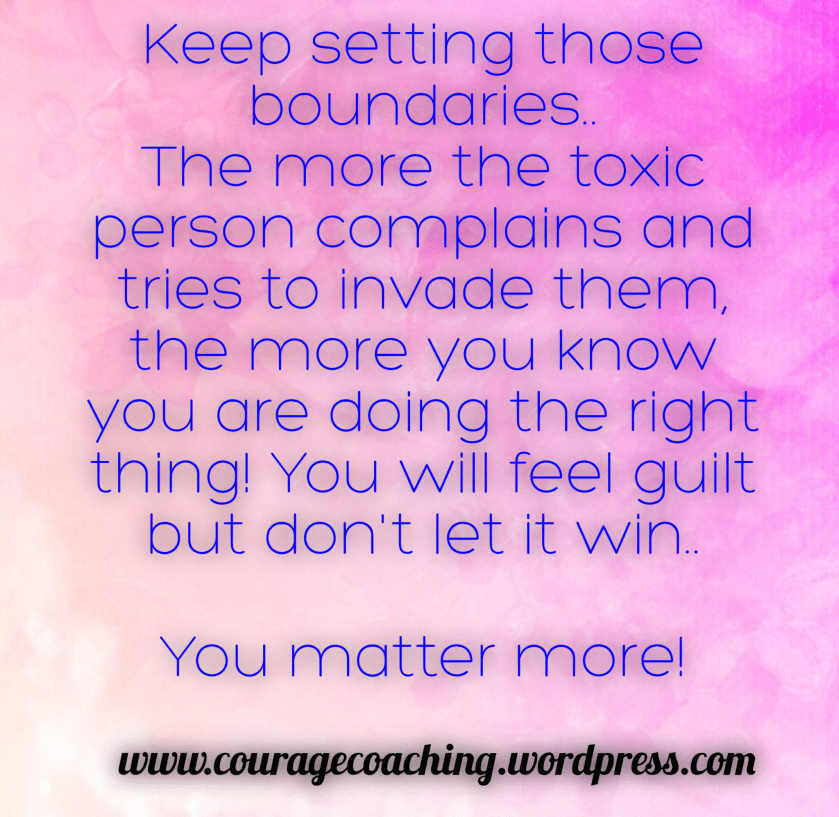
Setting boundaries with toxic people

FontCandy (86)

Love Athina ♥

© All blog posts and images are owned by me and Courage Coaching. Please don’t use without consent and only re-blog if you would like to use the information on here.

Eye Movement Desensitization & Reprocessing -EMDR (Short term therapy for trauma)

Happy Monday dear friends! I have reached 100 followers on this page and I am very grateful for those of you who have supported this new venture. My other blog mychildwithin , documents a lot more about my healing journey and has already been around for just over 1 year. For those of you who already follow it, you may have read about how successful EMDR therapy has been for me, in regards to treating my trauma.

I uploaded a very quick informational video on Youtube about what EMDR is. I will be following this video with 2nd one that focuses on EMDR in a little more detail, in which I will talk about how it feels to have EMDR and what the different phases are that you go through.

As a narcissistic childhood abuse survivor, it has helped me neutralise my biggest traumas. That said, it isn’t of course suitable for everyone. I would recommend it through my own positive experience with it but I would urge you to research it really well and only find a qualified therapist who has training in it.

Love Athina ♥

© All blog posts and images are owned by me and Courage Coaching. Please don’t use without consent and only re-blog if you would like to use the information on here.

Trauma bonding

Trauma bonding is the reason people choose abusive partners time and time again.

Trauma bonding is also known as Stockholm syndrome, something that is mentioned a lot when someone has been abducted.

Trauma bonding is something that starts in a person’s childhood, if they have suffered abuse or neglect.

If you are someone who keeps choosing emotionally unavailable partners or abusive partners, then this is why.

Love Athina ♥

© All blog posts and images are owned by me and Courage Coaching. Please don’t use without consent and only re-blog if you would like to use the information on here.

It is wrong to silence survivors of abuse

As a survivor of narcissistic abuse, and in honour of some of my followers who are also survivors of abuse, I want to do a short but very important post today about the unfortunate shaming & silencing that happens to survivors.

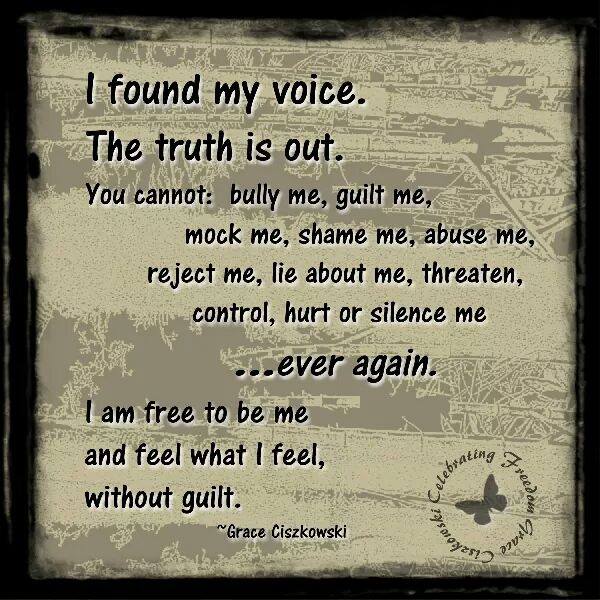
13934736_1212221458848183_2926432622871302405_n

It is absolutely horrendous to deny someone of their right to freely talk about their abuse and to deny them the ability to heal.Every time a survivor talks about the abuse to someone who validates them and acknowledges their pain, there is a small layer of healing taking place.

On the other hand, every time a survivor shares their story and isn’t believed, is shamed for not forgiving their abuser or is told to not go public about their abuse, it is destructive & extremely painful. It shows that the person shaming the survivor lacks empathy & understanding for the pain & trauma they have been through. It is re-traumatising and makes the survivor feel isolated & abused once again.

For those of you out there, who don’t know much about child abuse because you have been fortunate enough to grow up with healthy, loving parents please understand this:

Survivors require acknowledgement of their pain & suffering

Survivors require kindness & empathy

Survivors need to hear ‘I am so sorry for what you have been through’

Survivors need to be shown healthy lovely, healthy boundaries because they never learned these in their childhood..

Survivors DON’T want to be told to forgive their abusers

Survivors DON’T want to be told to stop talking about what happened to them just because you are uncomfortable with it.

Survivors DON’T want to be told to ‘Get over it because it was a long time ago’

Survivors DON’T need any more abuse, silencing or shaming.

Much love Athina ♥

© All blog posts and images are owned by me and Courage Coaching. Please don’t use without consent and only re-blog if you would like to use the information on here.

Can’t afford Coaching or Therapy? Then try Co-counseling :-)

Apologies for not having posted since Friday..My laptop has been very slow so I have found it extremely hard getting stuff done on it.

In this post I would like to introduce Co-coaching to those of you who have never heard of it..

My YouTube video explains it in more detail and by watching it you can find out more about it. Hint hint 😉

I would love it if this post could reach as many people as possible, so please share away 😉

This is something you can practice with a friend or partner..

It’s free, it helps with personal growth, relieves stress and provides you with a weekly outlet for all your pent up emotions or thoughts.

So what are you waiting for ?

Help me spread awareness on Co-counseling 🙂

Love Athina ♥

© All blog posts and images are owned by me and Courage Coaching. Please don’t use without consent and only re-blog if you would like to use the information on here.

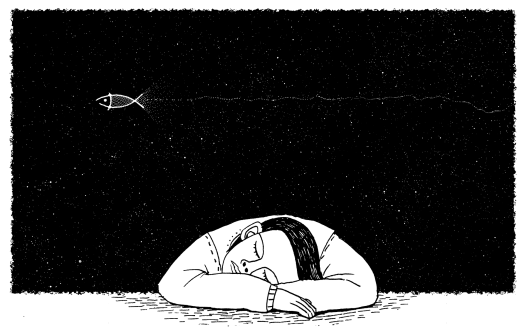
Poor sleep-One of many side effects of CPTSD, anxiety & depression

Are you somebody who struggles to sleep well and ends up waking up exhausted in the morning rather than refreshed? Do you find that you often have vivid stress dreams which can at times disrupt your sleep in the middle of the night?
fairy-tale-1180921_1920

If you are someone who also struggles with depression, anxiety or (C)PTSD, then this will no doubt have an impact on your quality of sleep.

Both anxiety & depression, involve a thinking style known as ruminating. Ruminating means that we go over the same thoughts over and over again,without any resolution. These thoughts are usually negative and if they aren’t resolved with some sort of action, they will then possibly play out in our dreams at night.

Apparently is has been stated that a memory is composed of a situation or thought, the emotions experienced from that situation or thought and then the actions taken. If something happened during the day for example, that was upsetting but you weren’t able to resolve the situation in some way, then this will most likely linger until you go to bed. Since ruminating means that our thoughts and emotions are stuck in a repetitive loop, we will then most likely have an anxiety dream, in which we will try and find a resolution to our initial problem. Our mind just isn’t able to switch off properly until our problem has been solved.

So basically, if you have had a stressful day and there is still stuff that needs to be resolved, you will then most likely be doing this in your sleep as well. Since stress and anxiety can be exhausting during the day, then it is pretty similar at night too.If the brain doesn’t get a chance to ‘switch off’ or relax at night, then you can understand why the quality of your sleep is compromised.

This causes a vicious cycle which looks a bit like this :

Worrying/Rumination → Poor sleep quality → Increase in stress during the day & trouble coping → Worrying/Rumination → Poor quality sleep  .. etc

Too much ruminating can lead to feeling helpless. If you are too focused on the problem you are ruminating about, you tend to get stuck and this affects your actual problem solving skills.

A few tips to calming your worrying mind at night:

  • Try and resolve the problem before going to bed (if this is possible).
  • Talk to a friend or family member about your worries (A different point of view might do wonders)
  • Write down your troublesome thought/s on a piece of paper or type up a document on the computer..This might help you find a solution, by seeing your thoughts clearly written in front of you..
  • Another thing you can do is write a priority list (if your worries are work related). By organising your time and managing your tasks into more urgent, less urgent etc..this might help you relax more.
  • Think about what is in your control and what isn’t..If it isn’t in your control, then try to ‘let it go’..
  • If you are still not able to sleep, use lavender oil on your pillow and find some self-hypnosis tracks you can listen to while lying in bed..


What are your thoughts on this? Are you someone who suffers with ruminating and poor quality sleep?  Do you also suffer with a mental illness? How often would you say you have anxiety dreams on average? Twice a week or more?

Love Athina ♥

© All blog posts and images are owned by me and Courage Coaching. Please don’t use without consent and only re-blog if you would like to use the information on here.