Love Athina ♥
© All blog posts and images are owned by me and Courage Coaching. Please don’t use without consent and only re-blog if you would like to use the information on here.

Love Athina ♥
© All blog posts and images are owned by me and Courage Coaching. Please don’t use without consent and only re-blog if you would like to use the information on here.
Just a quick post about something that matters as equally as physical health.
We all live with mental health and mental illness can touch all of us at least once in our lifetime.So how openly do we talk about it and how easily do we feel uncomfortable mentioning our struggles to a co-worker, family member or friend?
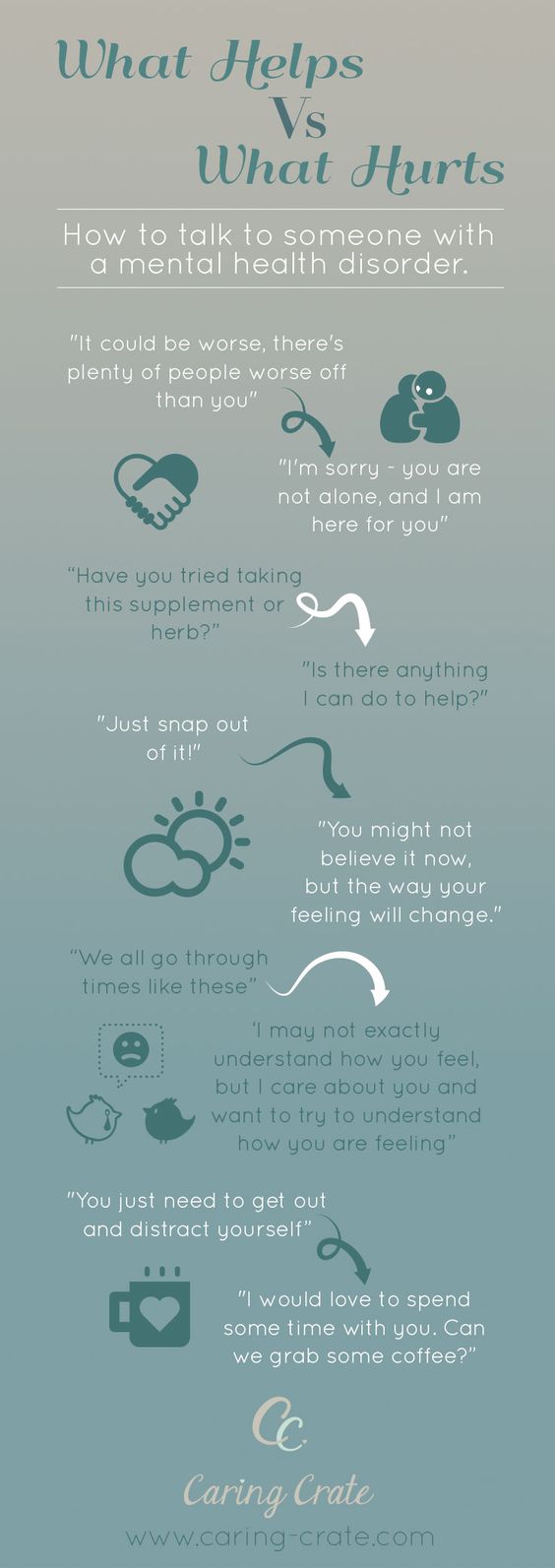
I have encountered so many of the below unhelpful phrases from ignorant individuals, so for this reason, I will keep spreading awareness of the importance of validating someone’s struggles with their mental health.
‘Don’t dwell on the past’
‘Aren’t you over it by now?’
‘Can’t you just try and be more happy?’
‘Stop focusing on the negative’
‘Strong people just get on with it’
‘Stop being a hypochondriac’
‘Stop being so self-centered’
‘Just snap out of it!’
‘You are just looking for attention’

Look after yourselves ♥
Love Athina ♥
© All blog posts and images are owned by me and Courage Coaching. Please don’t use without consent and only re-blog if you would like to use the information on here.
Shame is caused by negative messages. The shame I am highlighting in this video is caused by dysfunctional parents. Shame is insidious and can have detrimental effects on the way we view ourselves and others.
This is something I am very familiar with as a survivor of narcissistic abuse and I want to highlight the cause of shame, so people can maybe identify with what might have been said to them as children and so they can find a way to move forward and heal.
Love ♥ Athina
© All blog posts and images are owned by me and Courage Coaching. Please don’t use without consent and only re-blog if you would like to use the information on here.
Intolerance to vulnerability is everywhere.
Dysfunctional homes have this at their core.Children don’t feel safe to express emotions of sadness or pain..Children are taught that it is not ok to have sad or angry emotions..that they will be a burden if they dare to express these emotions..
This is not acceptable..This is emotional abuse..
Physical vulnerability is different to emotional vulnerability..When someone is physically disabled or physically ill, he/she seems to have more understanding from others..because you can see his/her illness physically..When a disability is emotional or mental however, people are quicker to dismiss it..This is where the stigma of mental illness comes in..Every single person out there with a mental disorder, is vulnerable..If they suffer with anxiety or depression, this makes them vulnerable..Just as much as someone who has a heart condition, or cancer or any other condition..
A vulnerable person is someone who struggles with day to day life.
Vulnerability refers to the inability to withstand the effects of a hostile environment (https://en.wikipedia.org/wiki/Vulnerability).
People with mental illness frequently become vulnerable and easy targets of physical and mental abuse.
People with mental illness can have poor boundaries, emotional dysregulation and many other extremely debilitating symptoms. They deserve the same compassion as those with obvious physical disabilities. They deserve the right to be able to talk about their struggles.
Love ♥ Athina
© All blog posts and images are owned by me and Courage Coaching. Please don’t use without consent and only re-blog if you would like to use the information on here.
Trauma bonding is the reason people choose abusive partners time and time again.
Trauma bonding is also known as Stockholm syndrome, something that is mentioned a lot when someone has been abducted.
Trauma bonding is something that starts in a person’s childhood, if they have suffered abuse or neglect.
If you are someone who keeps choosing emotionally unavailable partners or abusive partners, then this is why.
Love Athina ♥
© All blog posts and images are owned by me and Courage Coaching. Please don’t use without consent and only re-blog if you would like to use the information on here.
Where does over-explaining stem from?
People naturally feel the need to make sure their point of view is clearly understood when in conversation with someone else. Nobody wants to be misunderstood when expressing an opinion or thought.
What happens however when someone feels the need to always over-explain something?

Is this something that stems from an underlying anxiety, that they will be misunderstood?
Yes
Is this also something that happens because in the past they might have been misunderstood quite a lot and for this reason they have to make sure it doesn’t happen again?
Absolutely..
Does over-explaining ever make you think, that the person doing the over-explaining, must think that the person they are over-explaining to must be stupid. Does this make sense?
I have been on both sides of this. I have over-explained to someone who got what I was saying from the first sentence and said I didn’t need to explain further. They said, I am not stupid, I get it. I have also been over-explained to and could immediately tell that the other person was anxious and insecure about something.
In my experience, many individuals who suffer from low self-esteem or people-pleasing, have an almost compulsive need to over-explain. This usually stems from childhood abuse, where either 1 or both parents were unable to meet the child’s needs and were unable to understand the child’s feelings. If parents don’t have empathy, are self-centered and dont have the ability to genuinely listen and understand, then a child will chronically feel frustrated, misunderstood and alone.
Have you ever tried to explain a simple concept such as sadness or feeling alone to a person who lacks empathy?
The reply is usually uncaring and hurtful.
Have you ever tried to reason with someone who has a low IQ and has intellectual disabilities?
They are not able to understand certain simple concepts because they just aren’t able to and if you insist on trying to make them understand, you can make yourself feel crazy with frustration.
When does over-explaining become chronic?
This usually happens when someone is unable to simply state something, that doesn’t need explaining, to someone who hasn’t even asked for an explanation. It becomes chronic when a person feels the need to explain in great detail and repeats themselves over and over again.It becomes chronic when it is a habitual thing that someone does all the time, even with people that are understanding and empathetic.
The particular thing I would like to highlight in this post, is that over-explaining becomes habitual for people who have suffered narcissistic abuse. If you are constantly around someone who makes you doubt yourself by gaslighting you, who doesn’t validate and understand your feelings and always tries to manipulate you, then it is only natural that you will be chronically frustrated when communicating..
I would love to hear your thoughts on this..
© All blog posts and images are owned by me and Courage Coaching. Please don’t use without consent and only re-blog if you would like to use the information on here.
Much Love Athina ♥
Healthy self-esteem is essential for good psychological survival. It enables us to feel more fulfilled and secure in our choices, career paths and relationships. When this is lacking however and also goes unchecked, it may lead to mental health issues such as anxiety and depression, sometimes with tragic results.
Perhaps the most well known effect of abuse is low self-esteem.
Low self-esteem means that we have a persistent feeling of worthlessness. It also means that we have a habit of judging & rejecting ourselves constantly which causes us a huge amount of emotional pain. This emotional pain, is something that people with normal levels of self-esteem can’t possibly understand.
For those of us who grew up in abusive homes, this was a daily part of our lives and we considered it to be the norm. We intrinsically felt bad when we weren’t able to do something right, such as get good grades at school or be good at sports.We hated taking part in anything competitive, we always avoided the limelight and hated participating in class conversations, for fear of making a fool of ourselves.We avoided any situation or person who made us feel rejected, hurt and vulnerable.The core of this lack of self-worth was due to our parents telling us on a constant basis that we were not good enough, not smart enough, not lovable enough etc..The more constant and long lasting this was throughout our childhood, the more destructive the damage.This then stays with us for life, unless we have years and years of therapy.Even though most of us are intelligent and full of potential, our nasty inner critic tells us we aren’t good enough.This self-hate, sabotages any chance we may have of making something a success, before we even try it. We actually avoid trying things, to avoid the possibility of failing. To others, this may seem ridiculous. To those of us who have suffered abuse, this isn’t ridiculous at all. We have already suffered a huge amount of emotional pain in childhood which then continued into adulthood. Some things we can heal in therapy but others might be a bit more challenging, as they are so deeply ingrained in us.
For those of us with low self-esteem, we might notice that as we begin a new project or work on some goal, things begin smoothly and we are filled with optimism. After a little while, however, things start getting harder, we get worried and we start to beat ourselves up.This process repeats itself as we move forward with our goal so that it seems like we’ll never reach it.Too many of us give up at some point because we’re overwhelmed by the feelings of worthlessness.The minute we make a mistake, we fall apart emotionally. In a sense, it gets even harder as we move closer to the goal because during times when things are moving ahead smoothly, we get our hopes up.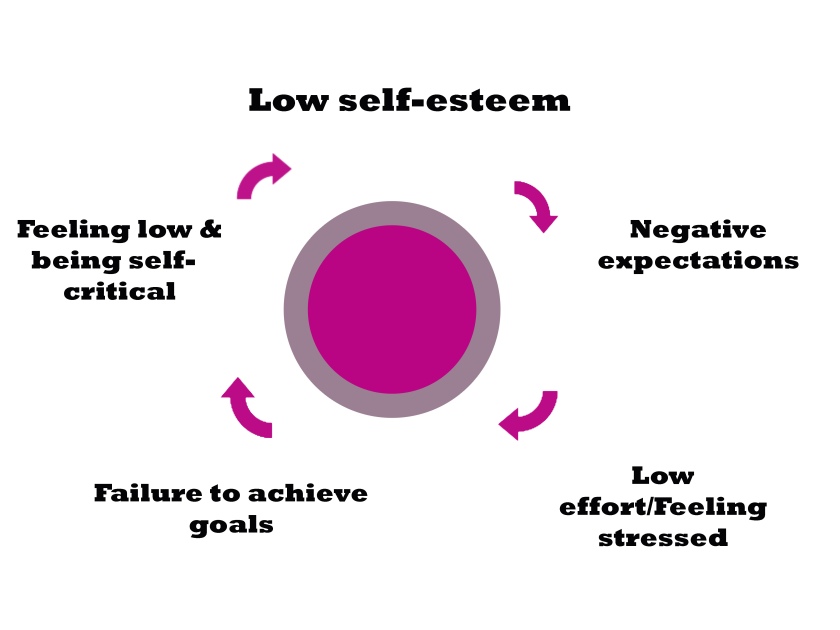
This sort of dynamic is what happens after abuse. Although most people are able to deal with obstacles, an abuse history can lead others to feeling overwhelmed by feelings of worthlessness. Most people understand that an obstacle to a goal is part of the process, no matter what creates it, whereas for abuse survivors, an obstacle may be seen as a challenge to our self-esteem, proof that we mess everything up, that we’re not capable as others are. These dark feelings can overwhelm us so much that we give up.
Another effect of abuse, that is linked to low self-worth, is when we have an emotional flashback. In adulthood, a tone of voice, a firm look or a certain opinion about something we have or haven’t done, may trigger us into an emotional flashback of when our abusers told us we couldn’t do something and made us feel worthless. Some ‘red flags’ of an emotional flashback, are when we overreact to a present situation because it brings up feelings from the past. These feelings completely hijack us and it is very hard to control them or realise they are actually from the past.We are usually also overcome by feelings of helplessness & hopelessness and a lot of the time they can be linked to feeling worthless.An emotional flashback can be hugely emotionally painful and once again, others have no idea why we are so upset.
So how do you manage chronic low self-esteem?
Since chronic self-esteem is caused by the vicious inner critic that our abusive parents created in us, we have to learn ways to silence this critic. This critic tells us all the horrible things that our parents made us feel when we were younger.
We have to learn to become aware of it and every time we think a destructive thought, we have to stop it. We have to challenge the negative thoughts that pop up dailyand say ”Stop it” or ”That’s a lie” or ”Your father was wrong, you aren’t worthless”.We also have to give ourselves small challenges that we can work towards. The more we are able to achieve, the better we will slowly feel about our ourselves. The more evidence we start to see of ourselves actually being more adventurous or more successful, the better we will slowly feel about ourselves. This takes a lot of persistence, effort and help from a coach or therapist.
If you are interested about how to cope with emotional flashbacks then please check out my post here: https://couragecoaching.wordpress.com/2016/06/10/child-abuse-complex-ptsd-managing-emotional-flashbacks/
Thanks for reading
Much love Athina ♥
© All blog posts and images are owned by me and Courage Coaching. Please don’t use without consent and only re-blog if you would like to use the information on here.
This post is the last one on assertion and hopefully the most useful to those of you who struggle with being a people-pleaser and/or are quite passive in your relationships with others.There is also a YouTube video attached for those of you who are auditory & visual learners.
Here is a quick guide on how to be assertive:
Being assertive can come very easily to many of us whilst some of us might have an extreme difficulty in this area, due to many of the following blocks as stated by Hauck (1981b):

1.Fear of injury -Physical violence may be threatened or unleashed in order to keep you in line. This might be the case in an abusive relationship.
2. Fear of failure
3. Fear of hurting other people’s feelings-For example, if I tell him that ‘his gift wrapping is not very good, I might hurt his feelings’
4. Fear of rejection– For example: I couldn’t cope if they criticised me or abandoned me
5.Fear of financial insecurity- For example, you stay in a job you hate because you are worried about financial instability if you leave.
According to Trower et al (2011)there are these 2 blocks:
1.Guilt – You believe it is wrong to assert your own wishes because you believe this is selfish behaviour or you don’t feel worthy enough.
2.Damning anger– You end up blaming others for frustrating you by insulting or hurting them. For example, you might say ‘You are such a lazy and slow worker’ rather than saying ‘I would like to talk about how we could equally distribute the work load between yourself and Adam’
According to Gilbert (2000) there are these blocks to being assertive:
1.Loss of control– Assertion can involve high psychological arousal which might lead to shouting at your partner.
2.Fear of counter attack– After you have asserted your complaints, you fear being overwhelmed by the other person’s response. You fear blushing, you mind going blank or maybe even getting tongue tied. You fear looking worse off after asserting your wishes.
3.Self-blame– You might blame yourself for causing tension or conflict by asserting your needs.
4.Positive self– You view lack of assertiveness as having positive qualities of being kind and caring.
Assertiveness in general will help you get more of what you want and less of what you don’t want but there is the possiblity that it might not always work out in the way that you hope. If you have been someone who isn’t assertive and suddenly start asserting yourself with familiar people in your life, things may become increasingly uncomfortable with those people, as they aren’t used to you being assertive. People don’t like change!
Which of these blocks do you struggle with? If not, feel free to share your experience of being self-assertive.
Thanks for reading
Much love Athina ♥
© All blog posts and images are owned by me and Courage Coaching. Please don’t use without consent and only re-blog if you would like to use the information on here.
In this video I state the criteria that someone needs to have, to be diagnosed as having NPD (at least 5 or more to qualify ).
If you or someone you know has suffered greatly due to someone with this disorder, please leave a comment or share your experience. More and more people are realising that they have been abused by such pathologically ill individuals.
Most of the time, these individuals know that they are being abusive as they try to hide their actions in public. They are very good at turning people against the victim of such abuse if they dare speak out and making them out to be the abusive one.
Take care, always ♥
Love Athina
© All blog posts and images are owned by me and Courage Coaching. Please don’t use without consent and only re-blog if you would like to use the information on here.
 couragecoaching.net