
4 tips before going ‘No contact’ with a narcissistic parent

If you are currently considering ‘No contact’ with a narcissistic parent, then this video might be helpful.

Love Athina ♥

© All blog posts and images are owned by me and Courage Coaching. Please don’t use without consent and only re-blog if you would like to use the information on here.

Living as an expat and the additional challenges of those with a mental illness

img_0582

Some of you may have had the experience of moving abroad for the first time to follow your partner’s work. Some of you may have actually been the ones that were offered a job in another country. Whatever your circumstances, being an expat is challenging. If the country you have chosen to move to also speaks another language, then this obviously poses another challenge: that of not being able to communicate effectively.

From my own personal experience, being an expat has been eye-opening and tough at times. My husband has a typical full time work routine and I on the other hand, do some coaching, some voluntary work and the odd child-care. The voluntary work & coaching is mostly from home & online and life has felt very isolating at times. Trying to set up an English speaking business in a German speaking country also has its challenges.

Although learning the language in the country you are living in, is the best option by far, for some of us this just isn’t an option. The reasons for this are many. Some people may only be staying in the country for a short time, 1 or 2 years and will then be moving on to another country. Their job requires constant moving around the globe, so learning a new language each time just isn’t worth the time and effort. Others, aren’t able to learn the language due to health problems, other commitments or a general fear of leaving their comfort zone.

From personal experience and if I am completely honest, I don’t like the language in the country I am living in. I really wish I did but unfortunately I don’t. Secondly I don’t have the motivation to put in the hard work to learn it. This all stems from the fact that when we originally moved abroad with my husband, I was only going to be staying for a year and then moving back home to study. If I had known that I would be abroad for nearly 2,5 years initially, I probably wouldn’t have made the move.

Secondly, due to my mental health and the fact that I live with Complex PTSD, motivating myself to learn a new skill is tough at the best of times, due to the many symptoms of my illness. I am triggered often by my surroundings and feel easily overwhelmed. In order for me to do something well, I have to be determined to learn it and also have an interest in it. This is enough to help me push through the uncomfortable symptoms of my CPTSD. The greater the interest in something, the more motivated I am & the better I become at it.

If you think back to when you were at school, your best subjects were mostly the ones you enjoyed, right? If you were forced to learn things you really didn’t enjoy or even understand, then the result is usually one of frustration or boredom. If on top of that, you also struggled with depression or other mental health problems, your concentration & memory might have also been affected. This was something I was very familiar with for most of my school & subsequent university years. Everything had always been a struggle, due to the neglect and abuse I suffered as a child.

Having a mental illness is a struggle in your daily life even when you are within your comfort zone of ‘HOME’ but when you consider the life as an expat, this can be even more overwhelming. Not only do you feel like a fish out of water and have to deal with homesickness but you also have to get used to the dissapproval you constantly feel for not being what others expect you to be. A fully integrated member of the country you are living in. This obviously means knowing the language, having a job and taking part in some social activities. If however, you aren’t able to be this fully integrated member, this makes you miss home more and more. It can trigger episodes of anxiety & depression and every day becomes even more of a challenge.

We are all different in the way we choose to live our lives and that is totally okay. Some of us have never lived outside our hometown and don’t have an interest in ever doing so. Some of us don’t mind moving around to different cities within our country & others choose to move all around the world and absolutely love it.

I think it is always okay to be honest with ourselves and know our limitations. It is ok to admit that living as an expat might be absolutely terrifying for us.For those of us who are lucky enough to have many friends and family living nearby, we might always value these relationships above moving abroad for a job and that is completely okay!

For me personally, I don’t have a problem living abroad in general but I am just not someone who has an interest in languages. I already speak 2 fluently and have constantly travelled between Greece & England all of my life. I am very content with that. I also am happy to support my husband in his work, which is currently in Germany, as he has created the comfortable lifestyle we have. I am very blessed to be able to share this with him. In future however, I would only move to an English speaking country or back to Greece, which is is where I grew up.

In regards to mental health, when thinking about the difficulties and stigma of mental illness in addition to the difficulties of those of us living as an expat, people need to become more aware of the importance of talking about this and being more understanding.

People need to stop stigmatising those people who are making certain choices in their life, which may differ hugely from others. Expats that choose to live abroad but also struggle with mental health issues, need to cut themselves some slack and be more self-accepting. Other expats who live abroad and have absolutely no mental health issues, need to be aware of those of us who do. It is a big challenge!

It can be very isolating to have mental health problems but even more so when you are living abroad. You will already have your limitations and you will find certain things even tougher than you may have thought of originally. Things that never scared you before will feel absolutely terrifying when you are abroad. If you are also living abroad and don’t have any close friends or family to rely on, then this in itself can be very challenging.

The purpose of this post was to raise awareness of the struggles of those with mental illness that live abroad. I feel no shame in admitting that I am one of those people.

Luckily, despite my struggles, I managed to gain a qualification in CB Coaching and am able to support those with bigger struggles than my own, but in no means should I ignore my own daily living challenges in my life as an expat in Germany.

If you are an expat with mental health issues, then please pop by and say hello!

Love Athina ♥♥

© All blog posts and images are owned by me and Courage Coaching. Please don’t use without consent and only re-blog if you would like to use the information on here.
 

Grief

Although grief is a huge part of life, it is something that none of us want to experience.

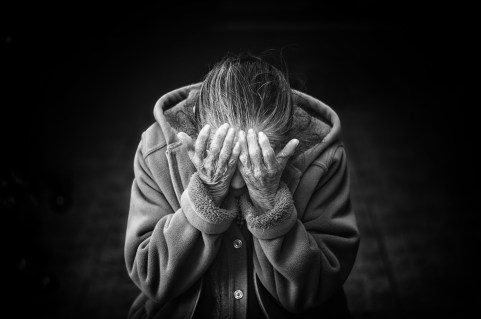
woman-1246587_1920

We can grieve over the loss of a loved one or beloved pet.

We can grieve over the loss of a job or home.

We can grieve whenever a new change happens in our lives, such as the loss of personal freedom when we have children or the loss of certain abilities when we become physically or mentally ill.

Sometimes the reasons we grieve are very subtle.

In general though, the journey through grief is a long one and it is important to give oneself time to grieve and to endure the overwhelming emotions that often accompany grief. Everyone moves at his or her own pace and along this path there will be circumstances which hinder one’s progress and circumstances which assist one’s progress. It may even take a lifetime to reach the desired goals of acceptance and inner peace.

If you are someone who grew up in an abusive & invalidating home, you will experience a more complicated type of grief. You will go through a grieving process which can take several years and will sometimes never completely go away. To not have had a nurturing & safe childhood means that you never experienced yourself as feeling nurtured & unconditionally loved. You will never, ever know what it is like to have healthy parents because this only happens once in your lifetime.You might only get glimpses of healthy families from friends that are lucky enough to have this and this will deeply hurt in its’ own way. If you were fostered, you might have finally managed to experience unconditional love later in your childhood but this still doesn’t completely undo the damage you have already experienced.

There are many ways to deal with grief. Ways that most of us have experienced to be healthy, such as allowing ourselves to cry and deeply feel our emotions of despair & unfairness.Crying doesn’t make us weak, it can actually strengthen us emotionally and physically. Crying stimulates production of endorphins which are the “feel good” hormones in our body.

Other ways are to turn to friends for support, write a journal or blog online. Exercise is also a great antidote to grief, no matter how hard it feels to actually do any.

The thing about grief that is important to remember is that it can feel mentally and physically exhausting. Practicing self-care during periods of grief is crucially important.

Rest & healthy eating are paramount during times of grief and reducing things like alcohol & drugs is also very important, as although you might feel like numbing yourself, this will only prolong the process of grieving.

If you are spiritual or have another faith, then this will also help you when you are feeling at your lowest.

It is also very important to try and avoid other stressful situations, especially at the early stages of grief.

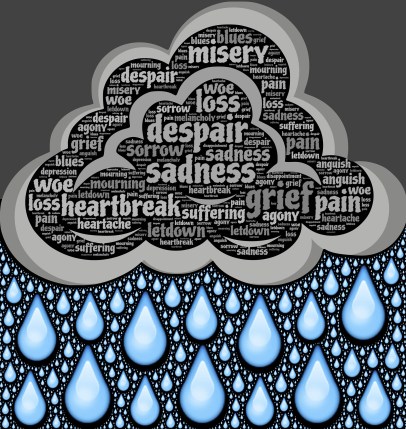
sadness-717439_1920


What are your experiences with grief?

If you are currently grieving, then please feel free to use this page as an outlet for your painful emotions at the moment and for support.

Comments are always welcome..

Much love,

Athina ♥

© All blog posts and images are owned by me and Courage Coaching. Please don’t use without consent and only re-blog if you would like to use the information on here.
 

Recovery from abuse- 3 basic stages & how to identify whether you have reached the acceptance stage of recovery

Happy Monday fellow bloggers. This is quite a late post, so I hope it reaches some of you.

I have just done another video on YouTube, where I talk about the 3 main stages of recovery that someone goes through, in particular concerning the recovery from childhood narcissistic abuse. I also talk a little bit about the acceptance stage of recovery, which I personally found the toughest in my own recovery.

Acceptance that you parents weren’t able to love you unconditionally, is a painful, rejecting reality. It is easier to spend most of your adult life being in denial of this, as it is such an incomprehensible reality to accept.

Once you are able to reach this stage of acceptance however, you feel like a huge burden has been lifted off you.

I wish all of you who struggle with this sort of realisation, to be able to finally reach this stage one day.

Love Athina ♥

© All blog posts and images are owned by me and Courage Coaching. Please don’t use without consent and only re-blog if you would like to use the information on here.
5 tips to better deal with rejection

Rejection hurts, no matter what the context.

So how do you deal with it in a more constructive way?

Here are 5 tips that might be helpful:

  1. If you never get rejected, it means that you aren’t pushing past your comfort zone enough. Being rejected means that you are putting yourself out there and that takes guts. Rejection acts as proof that you are pushing your limits.
  2. When being rejected, it is much better to acknowledge and accept the emotions that come with the rejection rather than supress or ignore the emotions. It is better to feel the disappointment, sadness or frustration than try to run from it or make excuses to avoid the emotions.
  3. Self-compassion is very important whenever we are having a hard time. To better deal with the rejection, make sure you are paying attention to the way you are talking to yourself. If you get rejected after a job interview and think ‘I will never get a job, I’m just not good enough’ then that doesn’t make you feel better does it? Instead re-frame your thinking to something more positive, such as ‘ That’s a shame, but I have plenty more chances and I am sure I can do better’.
  4. Learning from rejection and asking yourself ‘What can I learn from this’?, is very useful for growth and for doing better next time.
  5. Self-approval is the most important thing when being rejected. If you are comfortable and happy with yourself as a person, then somebody else’s rejection won’t sting as much, because at the end of the day you have yourself to turn to when things feel disappointing.


Love Athina ♥

© All blog posts and images are owned by me and Courage Coaching. Please don’t use without consent and only re-blog if you would like to use the information on here.

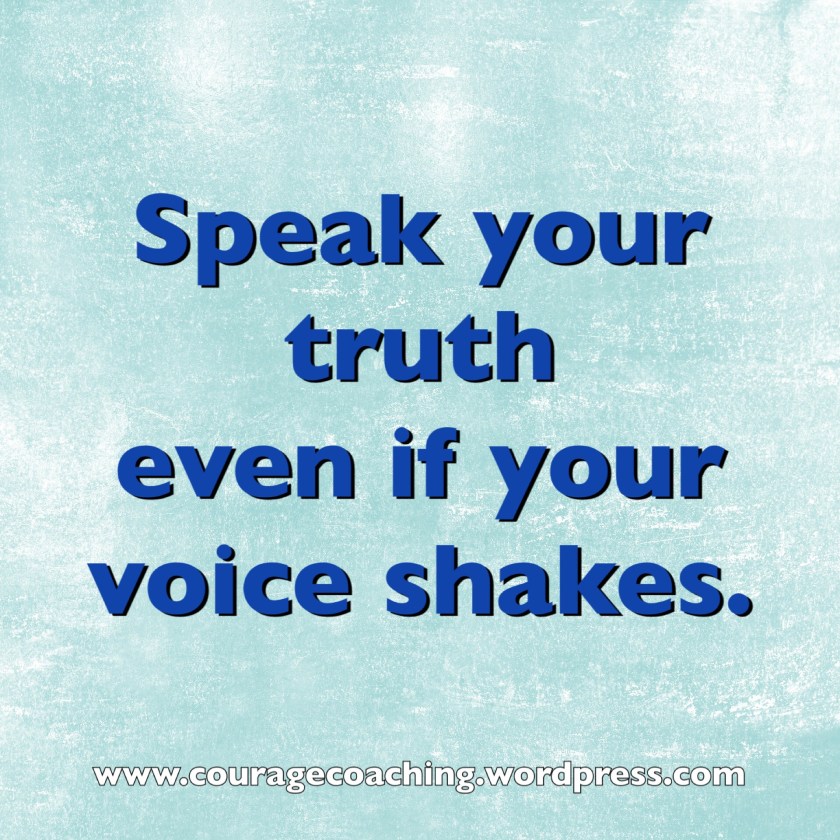
Speak your truth..

IMG_1523

Speak your truth, be yourself and if people don’t accept you then it is their loss, not yours!

If people don’t value your reality, your kindness, your honesty then they don’t deserve your time or your love.

When speaking your truth, have you ever felt overwhelmed with emotion? What has the emotion been? Anger, frustration, sadness, loss, disappointment?

The worst of all these for me was always frustration and then deep sadness..

When talking to a narcissistic parent, you feel all of these times 10!

Continuing to speak your truth despite the pain, frustration, loss and anger is very important…Don’t ever let anyone keep you silent..

Love Athina ♥

© All blog posts and images are owned by me and Courage Coaching. Please don’t use without consent and only re-blog if you would like to use the information on here.
The stages of healing-Victim, Survivor, Thriver

For those of you healing from child abuse (narcissistic abuse), this video includes the differences between each healing stage, as listed by Barbara Harris & Charles Whitfield. I found this very useful in my own healing. I am luckily mostly thriving now, with the exception of a few hiccups, here and there. Where do you see yourself on your journey of recovery?

If you find this video useful in any way, then please share on social media ♥

Love Athina ♥

© All blog posts and images are owned by me and Courage Coaching. Please don’t use without consent and only re-blog if you would like to use the information on here.


Coaching takes courage

This new coaching chapter in my life is giving me great joy and fulfillment. It isn’t something I ever really imagined myself doing a few years ago and now that I am, I am very much enjoying the interaction with people on a one to one basis. I know how much courage is required to push yourself towards achieving a goal or changing something in your life and deciding to have coaching or therapy, is exactly that, courageous!

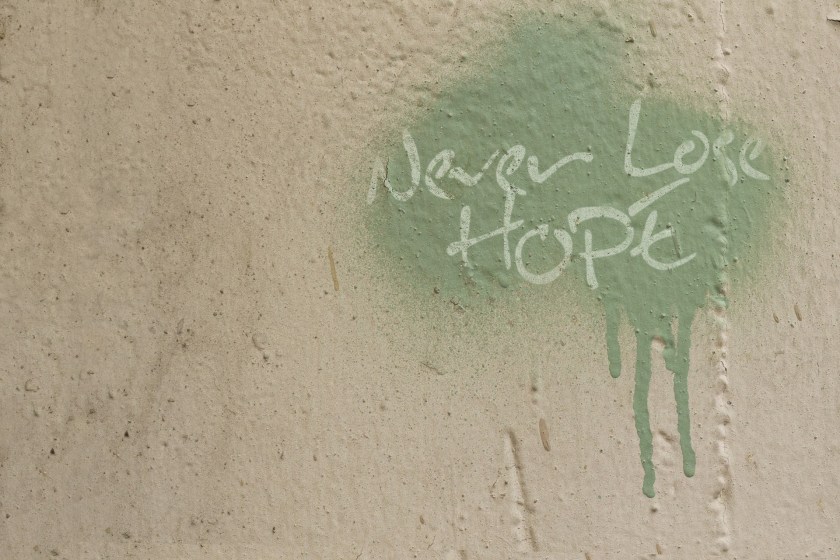
graffiti-1450798_1920

This blogging platform has been immensely enriching for me both personally through my other blog and also professionally through the creation of this new one.I see a lot of myself in some of my coachees and fellow bloggers/followers and it is wonderfully humbling to be able to make a small difference, through own experience. In the ones that I don’t see myself in,  I learn alot about the difficulties that different personality types may have and this is proving to be a great way to widen my knowledge even further on certain subjects. The thing that I am particularly enjoying at the moment, is that I can also use my skills to help close friends. I enjoy helping people from all walks of life but it makes me even happier to know that I can help the special people in my life as well. Isn’t this something you can all relate to? Helping out a dear friend? For those of you who agree, the fulfillment you gain from this is priceless.

I’d like to talk a little bit about my last job, before I moved to Germany from Bournemouth, England. This is something I mention in the ‘About me’ link of this blog but I just want to talk about it in a little more detail.When I used to work as a Healthcare assistant in an End of Life care home, that is when I realised that I really enjoyed helping people. When I went home after a long day, I knew I was making a difference in a small way and that made my work so important to me. It didn’t matter that I was earning such a low wage, as the smiles of gratitude on the residents’ faces meant so much to me. I worked 12 hour days, barely got a chance to sit down and had to help 10-12 residents with only one other assistant to help me.We were always rushed off our feet and sometimes it was incredibly hard to shower and dress the residents, when 2 or 3 other bells were going off at the same time. Each bell represented a resident who was calling for the toilet, needed help with getting out of bed or who was wanting their breakfast.This was physically & mentally exhausting. It was incredibly tough work, especially because you are someone who cares so deeply and you want to make sure you are helping every resident in an equal and respectful manner.There was never enough time and that is something that bothered me deeply. I enjoyed taking my time with each resident, as that is what I would want myself, if I was in their position.

When you help somebody in such an intimate way and learn their routines, day in day out, it is inevitable you will get attached in some small way. It taught me a lot about patience, inner strength, resilience and practicing self-care. It also taught me a lot about trying to brighten someone’s day a little, making them as comfortable as possible and telling them stories about my own life. These residents needed something else to think about, rather than their own aches and pains. It is difficult to know you are near the end of your life and the only thing you have to look forward to is chatting to the person who cares for you, helps you get dressed & washes you. I got so much from helping these people, as I know that one day I will be the same. I might be alone, with no family left and any attention or communication I get, will give me strength. It is incredibly important to help people sustain their dignity, as every person who grows old was someone’s mother, sister or daughter.When residents you grow closer to over the months, eventually pass away, you feel devastated but also relieved that they aren’t suffering anymore. The bond you develop is unique, especially when you are also the carer who might have to clean and wash the resident after they have actually passed.

Due to my own struggle with Complex PTSD, I had many vivid dreams after I left this job and moved to Germany with my husband. I worried about the remaining residents, wondered how they were doing and learnt of the many changes in their lives. Some of them were now no longer able to walk at all, others passed away and I wished at times that I could have visited again. Living in Germany unfortunately made this too difficult.

Unfortunately, I also had experience working alongside many other carers who were  narcissistic bullies! I couldn’t believe how these people could work in such a job! Their empathy was incredibly fake, as they enjoyed making myself and other friends/colleagues feel small & unimportant.They derived great pleasure from criticising carers in front of the residents, so they could appear better and more in control. They lied to the manager, fabricating stories about myself and other carers because they must have felt threatened by our caring & genuine demeanour. They acted in a racist manner towards one of my Romanian friends/carers and I must admit, it took a lot of strength to ignore them and keep working there. Having Complex PTSD which is a direct result of growing up with Narcissistic parents, meant that working alongside other narcissistic bullies, triggered many uncomfortable feelings. However, knowing who I truly am and ignoring the nastiness of these people, kept me going. Helping the residents was more important than listening to small minded and shallow people.

In my new work, I am very happy to have the freedom to help others in a safe and nurturing way, without the outside distraction of narcissistic bullies. Hurrah!

As a narcissistic abuse survivor, I can tell when someone has low confidence & needs support in developing self-belief. I know this feeling very well myself, through personal experience. I also know how important it is to encourage ‘realistic goal attainment’, rather than trying to achieve something that might be too big a goal.I feel happy to encourage self-compassion and to help people achieve things in small steps, suited to their capabilities. Especially if the clients suffer from debilitating mental illness, it is all about making their lives more manageable by encouraging self-acceptance and by creating plans that suit their daily routines. Having had depression myself, I know how it feels to struggle with every passing hour.You are definetely not alone and nobody should have to feel like they aren’t achieving anything!

I am really interested in finding out what you gain satisfaction from in your life? Is it your work? or your role as a parent? Do you enjoy being a husband/wife? or maybe you are a mum/dad to a furry friend? If you don’t work but volunteer instead, then I’d love to hear about it..

Whatever it is in your life that gives you joy and a sense of fulfillment, then feel free to share your experiences..

If you are someone who suffers from a mental or physical illness, maybe just getting through the day is an achievement in itself! Please let me know if this is something that you are proud of and if not, then I encourage you to try..

Much Love Athina ♥

© All blog posts and images are owned by me and Courage Coaching. Please don’t use without consent and only re-blog if you would like to use the information on here.


Leaving your comfort zone

Moving out of our comfort zone can be extremely rewarding if we are able to manage the anxiety that pops up. Humans are creatures of habit and having a steady routine, a safe haven in our home and the people around us that provide love and validation,becomes so important.We fear uncertainty, loss, pain, and so we seek to keep ourselves cooped up in our ‘safety net’ of comfort.

teddy-1113160_1920

The difficult thing about comfort zones, is that they can at times foster an attitude of learned helplessness making progress harder.

Personal discovery and personal development tend to happen more when we are outside our comfort zone but how often do we actually manage to venture outside it?

The one thing that my coachees always find helpful, is to start off with setting 1 small goal. It is easier to focus on 1 thing at a time if you want to make progress. The goal has to be something that is achievable and a little scary, but not overwhelming. Once you succeed in reaching this initial goal, this will then give you the courage and further motivation to tackle something bigger.

Sometimes, people overstretch themselves by doing too much at once, too quickly.

If someone has never left home, has never gone on a holiday abroad and then suddenly gets offered a job in another country where they don’t even speak the language, then this is an example of something that can be too much.

How do you cope when you have to leave your comfort zone? Have you had any experiences which were overwhelming? I am particularly interested in people who also suffer from anxiety often. How do you tackle this? I would love to hear your experiences.


Love Athina ♥

© All blog posts and images are owned by me and Courage Coaching. Please don’t use without consent and only re-blog if you would like to use the information on here.

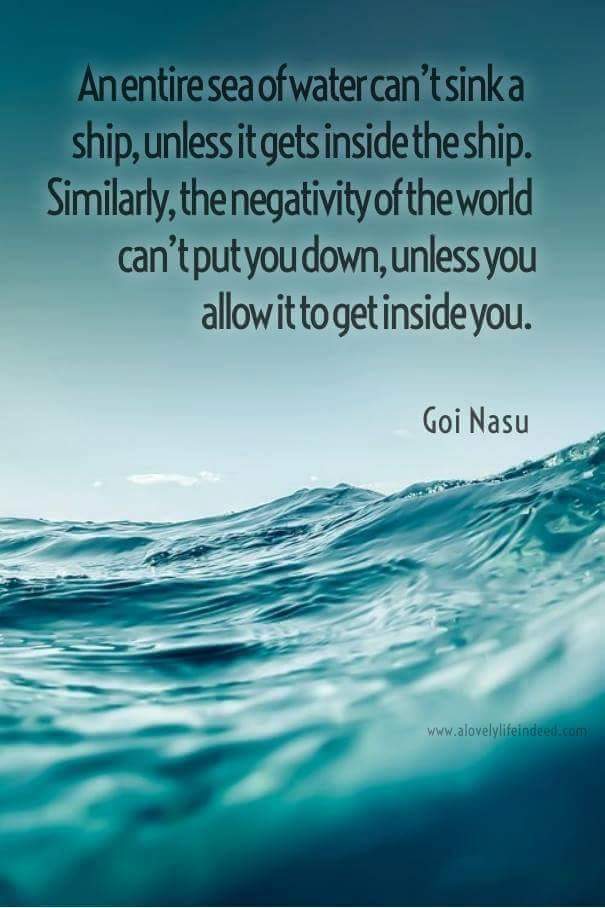
”The negativity of the world can’t put you down, unless you allow it to get inside you”

13319811_1301290503231574_4191169891370358081_n

The above quote is easier said than done when we are constantly surrounded by negativity, tragedy, pain and loss. If we were raised by mentally ill, abusive parents, the negativity that we carry with us takes years to change in therapy. It is a huge commitment but it is possible to change for the better.

If we have been lucky enough to only have certain certain negative experiences with others and in our life, then this of course makes it easier to not sink into the depths of negativity or despair.

If we have many loving, uplifting people in our life, a good job, a healthy lifestyle and a loving marriage then does negativity affect us less? It probably does but what is also important to consider is the amount of inner resilience and courage we have and the possibility of mental illness or physical illness which can touch anyone.

Every person is unique and each experience is also unique but how prepared are we to challenge that inner voice we might have of worry or destructive thinking? Not everyone is willing to reflect on themselves.

It is difficult to commit to changing a bad habit but if this habit is making us miserable then we should want to put in the effort to change it at whatever cost, right?

One of the biggest things I learnt is that we are the driver in our life. We get to choose what direction we go in and whatever comes our way is up to us how we deal with it. Making excuses in life is easy but when we are really passionate about something, excuses don’t exist.  Maybe we should always aspire to finding passionate purpose in our life.Some of us may choose to dedicate our lives helping those less fortunate. Others may be passionate about art, science or education. Whatever we choose to do in our life, balance is very important, respect of others and ourselves is important and giving back as much as we take, is also important.

Currently, I wake up every morning with the ability to spend my days freely and I feel fortunate in so many ways. Although I have experienced tragedy, trauma and been surrounded by negativity in my immediate family for most of my life, I have chosen to give back, to share, to support and to be grateful for every single thing I have. When I watch the news, I feel overwhelmed with the state of our world. The greed that has destroyed so many lives, the fantasies of wealth and power that continue to kill innocence and safety. The constant lies that we are fed in the media, the poverty, the destruction and the neverending war are enough to erase any hope for a stable future.

What can we do however? Do we turn a blind eye and retreat into our own little bubble of life, work and family or do we make sure that we do one good thing for somebody else each day? If we earn an extra 100 or 200 a month, shall we donate it to charity to help others or do we keep it in case tragedy hits us and we need to pay medical bills?

There are so many questions to answer but the one most important thing I have realised is that we can always give back, that we can assist and share our love and be kind to others as much as possible. Keeping negativity away is very difficult, especially when you are a highly sensitive person but whenever you have the opportunity to help someone in need, then I believe you should do it. It is important to have a good conscience and that is the thing that drives me in most of my decisions.What is yours?

We are not infallible and just like any other person we have days where we feel that we haven’t done enough or could have been a bit more aware of our choices. The important thing however is that we keep learning and we keep growing.

Love Athina ♥

© All blog posts and images are owned by me and Courage Coaching. Please don’t use without consent and only re-blog if you would like to use the information on here.