How to live with gratitude

WP_20170310_15_41_44_Pro

Gratitude is a very important tool that most of us don’t use as often as we could.

To be grateful for all that we have in our life can bring a certain sense of contentment and peace.

Studies have been done, which show that gratitude improves both mental and physical health. Gratitude can reduce feelings of hopelessness and can greatly improve our relationships with others.

Doing a daily gratitude list just before bed, has been found to not only improve sleep quality but can also help with reducing depressive symptoms in people who are suffering.

”Gratitude makes sense of our past, brings peace for today, and creates a vision for tomorrow” – Melody Beattie

The key to really benefiting from the practice of gratitude, is to write 5 or more things that you are grateful for on each day.The more specific the things you write about, the more beneficial the effects.

One example for this may be ”My friend suprised me with a ‘Thank you’ card today” or ”I enjoyed playing with my cousin’s puppies”.

Another way of practicing gratitude, is to have a little jar and pop daily gratitude notes in it..At the end of the month or after a particularly bad day, it can be useful to return to your gratitude jar and read all the little gratitude notes you put in it.

Do you practice gratitude and if yes, is there something specific you do?

Thanks for reading

Love Athina ♥

© All blog posts and images are owned by me and Courage Coaching. Please don’t use without consent and only re-blog if you would like to use the information on here.

Infantilization

You might have heard of the term infantilization but you may not realise how incredibly abusive it is when a parent does this to their child.

It is only natural for a growing child to start developing independent thoughts, actions and opinions. For a narcissistic parent this can be very threatening, as they want to continue controlling their child and use them for narcissistic supply.

Check out my video for an explanation of what infantilization is.

Some examples of infantilization are as follows:

A parent stops a teenager from socialising with friends or doesn’t allow them any privacy in their bedroom. The parent may still treat them as if they are a young child whereas a teenager needs growing independence and privacy.

A parent buys their child age-inappropriate clothing and/or arranges age-inappropriate activities.

A parent might not allow the child to speak for themselves, when they are asked a question directly by somebody else.

A parent might discourage the child from pursuing new interests as they don’t want the child to become more skilled at new things than they are.

If a parent isn’t able to have healthy relationships, they may try to influence the child against their choice of partner. They can’t allow their child to leave the family nest. The parent wants to continue their enmeshed relationship for as long as possible.

The effects of infantilization are as follows:

  • The adult child ends up having chronically low self-esteem
  • The adult child has difficulties academically
  • The adult child may find getting a job difficult
  • The adult child learns helplessness and enabling
  • The adult child may self-harm
  • The adult child may have poor social skills
  • The adult child may self-sabotage
  • The adult child may become avoidant

If you can relate to any of what I have written or said in the video, then please re-blog so it reaches more people.

Knowledge is power and with knowledge comes healing. To also further promote healing on a larger scale, I have recently signed up to patreon to further support my creations of videos, pdfs & hopefully in the near future, e-books.

Patreon is a platform that enables creators to reach new goals by having their followers & supporters fund their work.

If you find my videos & blog posts helpful, then please check out my patreon page.

It would mean the world to me to be able to reach more people and help them on their journey of recovery.

https://www.patreon.com/AthinaEhlen

dumdum-patreon

Love Athina ♥

© All blog posts and images are owned by me and Courage Coaching. Please don’t use without consent and only re-blog if you would like to use the information on here.


How does codependency start?

Hello to all of you 🙂

I hope you are all well or at least trying to be.

Thank you to those of you who have recently followed my blog and youtube channel.I am very grateful. Tomorrow I have the morning off my German class so will be catching up as much as possible on all your posts and comments.Despite my busy schedule at the moment, I have still been managing to upload videos to Youtube every week and luckily the topics I talk about are still helping a few of you.

The Q & A videos have been a success and I still have quite a few unanswered emails to sort through, so please bear with me.

The Christmas break (although most definetely not my favourite time of year) will give me the opportunity to do more videos in response to your questions.

Today’s YouTube video focuses on the cycle of codependence and how is starts & worsens over time.

tumblr_mrdkpzygce1s43hlxo1_500

Codependency is very real and is a result of living in a home with an alcoholic parent, an abusive parent or a parent with a mental illness. Codependency develops when you put your own needs & feelings aside as a child, to care for & comfort a sick parent. Not everyone agrees with this point of view, however I have been through it and know the challenges associated with it.

Reaching out to all of those who struggle with their mental health means the world to me, especially to those who have suffered trauma and live with the result of this trauma.

I know how it feels to be invalidated.

I know how it feels to be called too sensitive or to just get over it.

Stigma towards mental illness is very much alive.

By sharing your experiences and spreading awareness in any way possible, this helps others understand better what it might be like for those who struggle.

If you can relate to this video, or think it will help someone you care about, then please share it with love ♥

Hugs Athina ♥

© All blog posts and images are owned by me and Courage Coaching. Please don’t use without consent and only re-blog if you would like to use the information on here.

You are not a failure

Nobody told you when you were a child that life could feel so tough sometimes.

Nobody told you that life could drain the joy right out of you, just when you thought things were getting better.
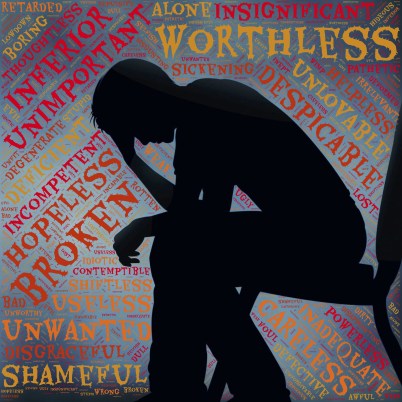
depression-1250870_1920

Life is a crazy rollercoaster and you have to ride it out, no matter what it throws at you.

It might be that your boss criticizes you, no matter how much extra work you put in.

It might be that your partner who once made you smile, now only seems to point out all your flaws.

Your family might be hopeless at supporting you and instead always tells you when you have let them down.

Your looks fall short of what is considered beautiful, your body has piled on the pounds and your health is deteriorating.

Your money problems never seem to end and you are surrounded by angry, hateful and impatient people.

Everywhere you seem to look, there are people pointing out what is wrong with you.

Your career isn’t where it is supposed to be. You still aren’t married and people think there is something wrong with you for not wanting to have kids.

Even people with the best self-esteem, can end up feeling horrible.

Everywhere you look, people are pointing out that you are a failure..

Outer criticism ends up becoming inner criticism. That inner criticism ends up taking hold of your daily life and you can’t seem to silence that nasty little voice inside you that tells you, you have failed.

You might have once been a reasonably confident person and now you are nowhere near that.

Do you find yourself being haunted by this inner voice of failure? Do you find yourself needing to apologise for things that are out of your control?

Are you sorry that you couldn’t do better at work?  Then you failed

Are you sorry that you couldn’t lose weight? Then you failed

Are you sorry that your partner left you? Then you failed

Are you sorry that you are too sick to support your family? Then you failed

Are you sorry that you are struggling with the housework? Then you failed

Are you sorry that everything is too stressful? Then you failed

These negative thoughts are very harmful, even though you may not think so. When you internalise self-doubt your body absorbs it. Your muscles tense and you can actually become physically ill from it. If you allow others negativity to affect how you see yourself, then this might become a vicious cycle.

Have you ever noticed that when an abusive spouse, parent or boss criticizes you, you get nervous and are more likely to make more mistakes? The more difficult the people around you, the more on edge you feel and the more clumsy you may become. This was definetely the case with me for many years…

It is crucial to be aware of how destructive it can be to give your control away to others. If you constantly accept that you are a failure, because you judge yourself through others’ eyes, then you will eventually freeze. You will stop trying, you will stop living..

So how do you change this? How do you manage to keep the negativity that surrounds you away?

First of all, remember this! You are NOT A FAILURE!

You are not a failure because you failed your driving test.

You are not a failure because your relationship ended.

You are not a failure because you lost your job.

You are not a failure because you don’t want kids.

You are not a failure because others think you are.

Making mistakes in life is NORMAL. Making mistakes in life doesn’t mean that you are a failure. A mistake is just a mistake! This doesn’t make you anything less than wonderful.

Mistakes help you learn and at least you were brave enough to take on new opportunities.

Every time you catch yourself telling yourself that you are a failure, then say the word ‘STOP’. You are not a failure..

Remind yourself of all the good things you have done and that you are proud of. Even the tiniest things can mean so much! Don’t let others define you. Nothing matters more than the opinion YOU HAVE of yourself.img_1844

Never apologise for not being good enough because you are a valuable and worthy person. No matter how much others judge you, don’t let their voice drown out your own.

YOU ARE NOT A FAILURE!

Love Athina ♥

© All blog posts and images are owned by me and Courage Coaching. Please don’t use without consent and only re-blog if you would like to use the information on here.


 

How to deal with negative emotions

Happy Monday dear followers & friends,

I have been busy making & editing youtube videos for the last few days, as towards the end of the month I will be very busy studying. I am trying to do videos on topics that people have emailed me about and today’s video is based on a question from a YouTube Subscriber.

Dealing with negative emotions is something everyone can relate to and is something that nobody wants to face in this life. Unfortunately, every single one of us has constant experience with negative or uncomfortable emotions.

I have already written a blog post about the main point I make in the video below: https://couragecoaching.wordpress.com/2016/08/04/the-importance-of-feeling-our-feelings/

In the video I talk about the importance of dealing with negative emotions in the healthiest way.

This healthiest way, is something that has already helped many people who have had coaching and psychotherapy and  I am offering it in this video for free.

I really hope it is helpful and makes sense. If you think it might help others, please re-blog or share it on social media.

Love Athina ♥

© All blog posts and images are owned by me and Courage Coaching. Please don’t use without consent and only re-blog if you would like to use the information on here.

Spreading a little awareness sparkle

fontcandy-6

Just a quick post about something that matters as equally as physical health.

We all live with mental health and mental illness can touch all of us at least once in our lifetime.So how openly do we talk about it and how easily do we feel uncomfortable mentioning our struggles to a co-worker, family member or friend?

I have encountered so many of the below unhelpful phrases from ignorant individuals, so for this reason, I will keep spreading awareness of the importance of validating someone’s struggles with their mental health.

‘Don’t dwell on the past’

‘Aren’t you over it by now?’

‘Can’t you just try and be more happy?’

‘Stop focusing on the negative’

‘Strong people just get on with it’

‘Stop being a hypochondriac’

‘Stop being so self-centered’

‘Just snap out of it!’

‘You are just looking for attention’

IMG_0546

68996263715234a6de2749035a255252

Look after yourselves ♥

Love Athina ♥

© All blog posts and images are owned by me and Courage Coaching. Please don’t use without consent and only re-blog if you would like to use the information on here.
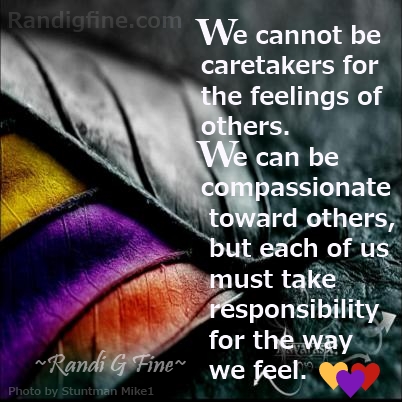
Recovery is not a destination

I wanted to write a quick post on the topic of recovery. I have embraced and accepted my own journey of recovery but not without many difficult years of wanting to see big changes, too soon..

52171

I know there are a lot of you battling with the struggles of mental health daily and wishing that you could achieve more.

I also know how disheartened you must feel when you don’t seem to reach your destination of being ”recovered”…This is where the problem lies..Recovery isn’t a destination..it is an ongoing, changing process with ups and downs..

Recovery doesn’t mean you will reach a day where you are recovered completely.What it DOES mean is that you will reach a point in your life where every struggle is much smaller and you will be able to feel better on more days than usual. If you suffered child abuse or neglect, you will most likely have ongoing mental health issues but this doesn’t mean you will suffer in the same way, as you grieve and progress in your healing. If you are a recovering alcoholic or drug addict, you will also know how much of a challenge it is to stop yourself from returning to the one thing that was able to numb you in the past..You are aware that your recovery from the drug of your choice will always be a constant in your life.

Before you are too harsh on yourself and have huge expectations on where you think you should be in your recovery, just remind yourself that everything is unfolding exactly as it should..that there are many small positive shifts happening in your mental health and that no matter how awful the tears, flashbacks, triggers, depression and anxiety are, that there are better days to come..Remind yourself of this when you are particularly low!

If you are recovering from any mental health issues, then this post is for you.

Be self-compassionate, give yourself a pat on the back and keep moving forward in your journey of recovery..Keep looking for resources that may help you along  your journey, seek out a therapist or coach who is experienced and validating and keep all abusive & toxic people away from your life.

Love Athina ♥

© All blog posts and images are owned by me and Courage Coaching. Please don’t use without consent and only re-blog if you would like to use the information on here.
 

Youtubes videos are on hold..

Hello, how are you doing? I hope you are looking after yourselves wherever you are in the world ♥

The reason I am writing this post, is because I have had a couple of my followers & subscribers request an improvement in the sound quality of my videos. I was aware that it wasn’t very loud, but had no idea the sound got so bad.It seemed to get worse after I tried removing the background noise. The editing software I used seemed to dull the sound quality for some reason so I wanted to apologise for this and let you know that I am currently dealing with it.

After exhausting all my options in regards to devices I already have ( laptop, ipad, nikon photo camera etc), I have now found a very good webcam which has a great microphone, good quality HD video and also reduces background noise. It has very good reviews on amazon and was also recommended through a few youtubers as well.

This is the link if you are interested: http://www.logitech.com/en-roeu/product/hd-pro-webcam-c920

I always post videos on a Monday because it makes it easier for my subscribers to know when to check in but because I am currently waiting for my webcam to arrive, I will not being doing a youtube video this coming Monday.

I might be able to create another text video for those of you who don’t mind them, so if there is a topic you would like me to cover then please let me know 🙂

Lastly, I wanted to thank summerstartstoshine for nominating me for The sunshine blogger award, which I will write about in a separate post.She is a very kind & courageous blogger, so if you haven’t checked out her blog already then please pop by her page.

suns

Love Athina ♥♥

© All blog posts and images are owned by me and Courage Coaching. Please don’t use without consent and only re-blog if you would like to use the information on here.

 

Living as an expat and the additional challenges of those with a mental illness

img_0582

Some of you may have had the experience of moving abroad for the first time to follow your partner’s work. Some of you may have actually been the ones that were offered a job in another country. Whatever your circumstances, being an expat is challenging. If the country you have chosen to move to also speaks another language, then this obviously poses another challenge: that of not being able to communicate effectively.

From my own personal experience, being an expat has been eye-opening and tough at times. My husband has a typical full time work routine and I on the other hand, do some coaching, some voluntary work and the odd child-care. The voluntary work & coaching is mostly from home & online and life has felt very isolating at times. Trying to set up an English speaking business in a German speaking country also has its challenges.

Although learning the language in the country you are living in, is the best option by far, for some of us this just isn’t an option. The reasons for this are many. Some people may only be staying in the country for a short time, 1 or 2 years and will then be moving on to another country. Their job requires constant moving around the globe, so learning a new language each time just isn’t worth the time and effort. Others, aren’t able to learn the language due to health problems, other commitments or a general fear of leaving their comfort zone.

From personal experience and if I am completely honest, I don’t like the language in the country I am living in. I really wish I did but unfortunately I don’t. Secondly I don’t have the motivation to put in the hard work to learn it. This all stems from the fact that when we originally moved abroad with my husband, I was only going to be staying for a year and then moving back home to study. If I had known that I would be abroad for nearly 2,5 years initially, I probably wouldn’t have made the move.

Secondly, due to my mental health and the fact that I live with Complex PTSD, motivating myself to learn a new skill is tough at the best of times, due to the many symptoms of my illness. I am triggered often by my surroundings and feel easily overwhelmed. In order for me to do something well, I have to be determined to learn it and also have an interest in it. This is enough to help me push through the uncomfortable symptoms of my CPTSD. The greater the interest in something, the more motivated I am & the better I become at it.

If you think back to when you were at school, your best subjects were mostly the ones you enjoyed, right? If you were forced to learn things you really didn’t enjoy or even understand, then the result is usually one of frustration or boredom. If on top of that, you also struggled with depression or other mental health problems, your concentration & memory might have also been affected. This was something I was very familiar with for most of my school & subsequent university years. Everything had always been a struggle, due to the neglect and abuse I suffered as a child.

Having a mental illness is a struggle in your daily life even when you are within your comfort zone of ‘HOME’ but when you consider the life as an expat, this can be even more overwhelming. Not only do you feel like a fish out of water and have to deal with homesickness but you also have to get used to the dissapproval you constantly feel for not being what others expect you to be. A fully integrated member of the country you are living in. This obviously means knowing the language, having a job and taking part in some social activities. If however, you aren’t able to be this fully integrated member, this makes you miss home more and more. It can trigger episodes of anxiety & depression and every day becomes even more of a challenge.

We are all different in the way we choose to live our lives and that is totally okay. Some of us have never lived outside our hometown and don’t have an interest in ever doing so. Some of us don’t mind moving around to different cities within our country & others choose to move all around the world and absolutely love it.

I think it is always okay to be honest with ourselves and know our limitations. It is ok to admit that living as an expat might be absolutely terrifying for us.For those of us who are lucky enough to have many friends and family living nearby, we might always value these relationships above moving abroad for a job and that is completely okay!

For me personally, I don’t have a problem living abroad in general but I am just not someone who has an interest in languages. I already speak 2 fluently and have constantly travelled between Greece & England all of my life. I am very content with that. I also am happy to support my husband in his work, which is currently in Germany, as he has created the comfortable lifestyle we have. I am very blessed to be able to share this with him. In future however, I would only move to an English speaking country or back to Greece, which is is where I grew up.

In regards to mental health, when thinking about the difficulties and stigma of mental illness in addition to the difficulties of those of us living as an expat, people need to become more aware of the importance of talking about this and being more understanding.

People need to stop stigmatising those people who are making certain choices in their life, which may differ hugely from others. Expats that choose to live abroad but also struggle with mental health issues, need to cut themselves some slack and be more self-accepting. Other expats who live abroad and have absolutely no mental health issues, need to be aware of those of us who do. It is a big challenge!

It can be very isolating to have mental health problems but even more so when you are living abroad. You will already have your limitations and you will find certain things even tougher than you may have thought of originally. Things that never scared you before will feel absolutely terrifying when you are abroad. If you are also living abroad and don’t have any close friends or family to rely on, then this in itself can be very challenging.

The purpose of this post was to raise awareness of the struggles of those with mental illness that live abroad. I feel no shame in admitting that I am one of those people.

Luckily, despite my struggles, I managed to gain a qualification in CB Coaching and am able to support those with bigger struggles than my own, but in no means should I ignore my own daily living challenges in my life as an expat in Germany.

If you are an expat with mental health issues, then please pop by and say hello!

Love Athina ♥♥

© All blog posts and images are owned by me and Courage Coaching. Please don’t use without consent and only re-blog if you would like to use the information on here.
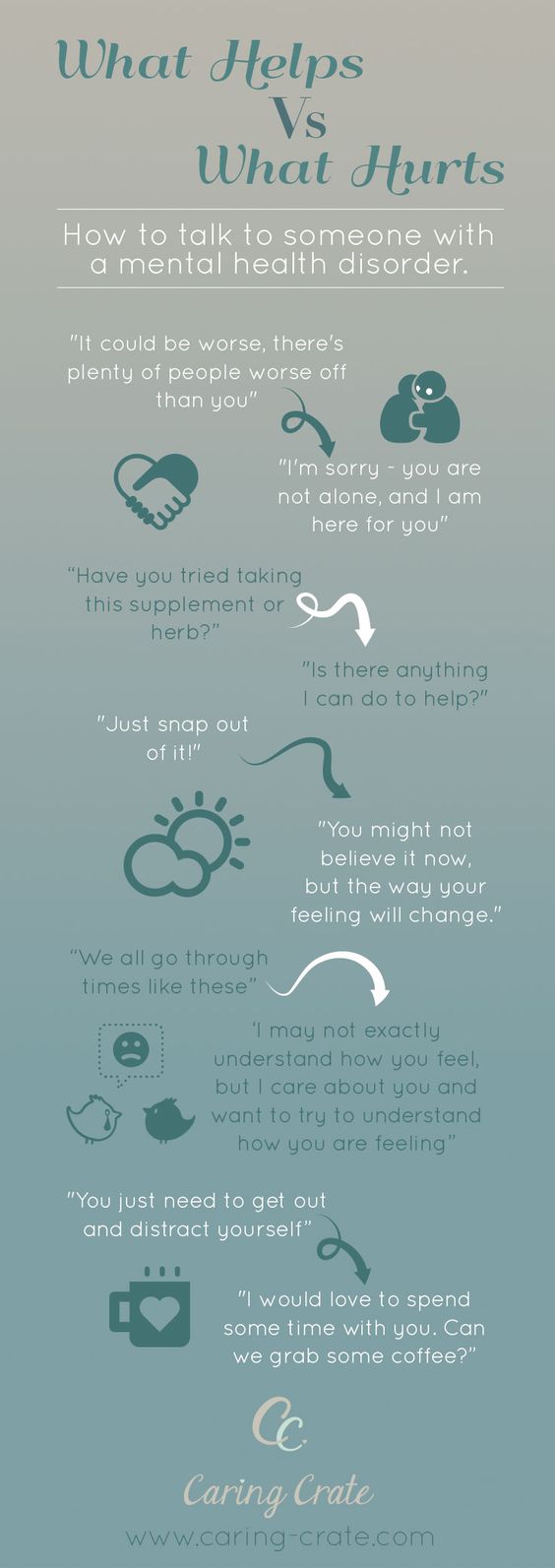
 

Being selfish the right way

i-67355_1920

‘Selfish’ means that you care enough about yourself to get your needs met; selfishness is a choice.

On the other hand, when you think about being ‘needy’, this means that your unmet/unknown needs motivate you — there’s no choice. This is when you become a people-pleaser and you lack the assertiveness to say no.

This isn’t where you want to be in this journey called life.

Selfish does not mean to focus exclusively on yourself — it just means that you easily can when you need to.

Selfish does not mean you become an irresponsible 4 year old, who does whatever he/she wants and ignores the needs of their family or their work.

Selfish means that you learn to love, value, accept, forgive, be true to, and care for yourself fully and wholeheartedly. 

Healthy selfishness feels like taking a risk because you might have been brought up to believe that being selfish is a bad thing. However, healthy selfishness simply means you do not disregard yourself to please others or to support others at your own expense. Healthy selfishness means that you practice self-love and self-care.

How do you see yourself? Do you practice healthy selfishness?

I’d love to hear your experiences..

Love Athina ♥♥

© All blog posts and images are owned by me and Courage Coaching. Please don’t use without consent and only re-blog if you would like to use the information on here.