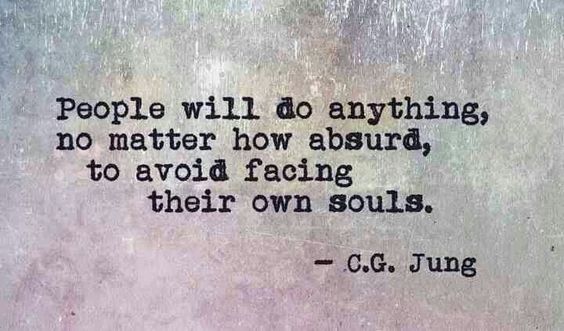
Grief

Although grief is a huge part of life, it is something that none of us want to experience.

woman-1246587_1920

We can grieve over the loss of a loved one or beloved pet.

We can grieve over the loss of a job or home.

We can grieve whenever a new change happens in our lives, such as the loss of personal freedom when we have children or the loss of certain abilities when we become physically or mentally ill.

Sometimes the reasons we grieve are very subtle.

In general though, the journey through grief is a long one and it is important to give oneself time to grieve and to endure the overwhelming emotions that often accompany grief. Everyone moves at his or her own pace and along this path there will be circumstances which hinder one’s progress and circumstances which assist one’s progress. It may even take a lifetime to reach the desired goals of acceptance and inner peace.

If you are someone who grew up in an abusive & invalidating home, you will experience a more complicated type of grief. You will go through a grieving process which can take several years and will sometimes never completely go away. To not have had a nurturing & safe childhood means that you never experienced yourself as feeling nurtured & unconditionally loved. You will never, ever know what it is like to have healthy parents because this only happens once in your lifetime.You might only get glimpses of healthy families from friends that are lucky enough to have this and this will deeply hurt in its’ own way. If you were fostered, you might have finally managed to experience unconditional love later in your childhood but this still doesn’t completely undo the damage you have already experienced.

There are many ways to deal with grief. Ways that most of us have experienced to be healthy, such as allowing ourselves to cry and deeply feel our emotions of despair & unfairness.Crying doesn’t make us weak, it can actually strengthen us emotionally and physically. Crying stimulates production of endorphins which are the “feel good” hormones in our body.

Other ways are to turn to friends for support, write a journal or blog online. Exercise is also a great antidote to grief, no matter how hard it feels to actually do any.

The thing about grief that is important to remember is that it can feel mentally and physically exhausting. Practicing self-care during periods of grief is crucially important.

Rest & healthy eating are paramount during times of grief and reducing things like alcohol & drugs is also very important, as although you might feel like numbing yourself, this will only prolong the process of grieving.

If you are spiritual or have another faith, then this will also help you when you are feeling at your lowest.

It is also very important to try and avoid other stressful situations, especially at the early stages of grief.

sadness-717439_1920


What are your experiences with grief?

If you are currently grieving, then please feel free to use this page as an outlet for your painful emotions at the moment and for support.

Comments are always welcome..

Much love,

Athina ♥

© All blog posts and images are owned by me and Courage Coaching. Please don’t use without consent and only re-blog if you would like to use the information on here.


 

Recovery from abuse- 3 basic stages & how to identify whether you have reached the acceptance stage of recovery

Happy Monday fellow bloggers. This is quite a late post, so I hope it reaches some of you.

I have just done another video on YouTube, where I talk about the 3 main stages of recovery that someone goes through, in particular concerning the recovery from childhood narcissistic abuse. I also talk a little bit about the acceptance stage of recovery, which I personally found the toughest in my own recovery.

Acceptance that you parents weren’t able to love you unconditionally, is a painful, rejecting reality. It is easier to spend most of your adult life being in denial of this, as it is such an incomprehensible reality to accept.

Once you are able to reach this stage of acceptance however, you feel like a huge burden has been lifted off you.

I wish all of you who struggle with this sort of realisation, to be able to finally reach this stage one day.

Love Athina ♥

© All blog posts and images are owned by me and Courage Coaching. Please don’t use without consent and only re-blog if you would like to use the information on here.
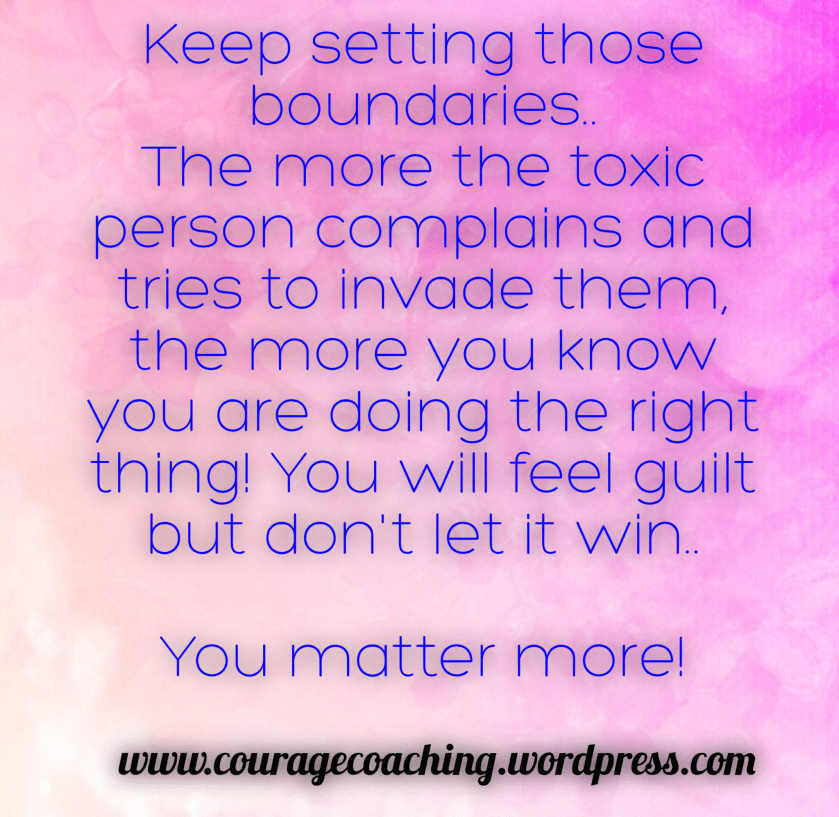
Supporting others through adversity the right way

Today’s video is important because it raises awareness on the importance of what we say to others currently facing adversity. When someone is suffering with mental health issues, has just found out some terrible news or is drowning in grief, the last thing they want to hear is what someone thinks they should do in their situation.

Projecting our own beliefs onto someone who is suffering can sometimes be detrimental. Telling someone how we think they should feel at times of difficulty, can be very harmful.

Always speak with caution.

Love Athina ♥

© All blog posts and images are owned by me and Courage Coaching. Please don’t use without consent and only re-blog if you would like to use the information on here.

EMDR- Preparation & what happens in session

IMG_0926

This is the 2nd of 2 informational videos about EMDR. In this video I explain a little more about finding an EMDR therapist and what to look for, what to expect during & after a session and I also give you an idea of what happens in each of the 8 phases of EMDR Therapy.

As someone who has used EMDR, I can highly recommend it for the treatment of PTSD & CPTSD.

Love Athina ♥

© All blog posts and images are owned by me and Courage Coaching. Please don’t use without consent and only re-blog if you would like to use the information on here.
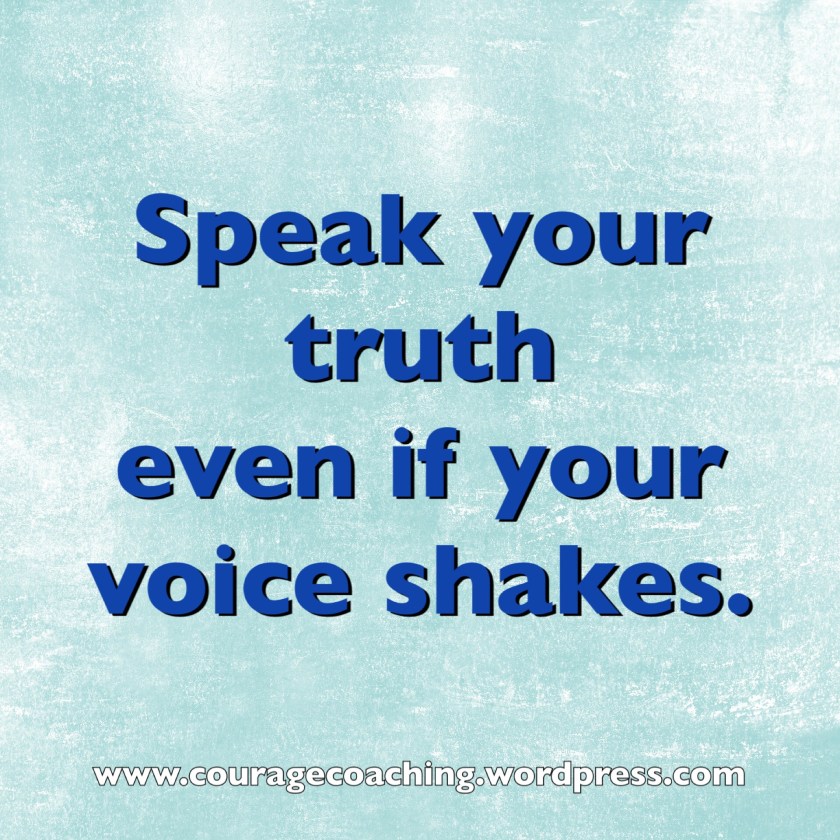


Setting boundaries with toxic people

FontCandy (86)

Love Athina ♥

© All blog posts and images are owned by me and Courage Coaching. Please don’t use without consent and only re-blog if you would like to use the information on here.

How to deal with loneliness

lonely-1510265_1920

Loneliness is an unpleasant feeling that a lot of people experience at some point in their lives. Loneliness is a feeling of emptiness or hollowness inside you.You might experience loneliness as a feeling that something is not right, a kind of minor emptiness. Or you might feel loneliness as a very intense deprivation and deep pain.For the most part, it is something that can be remedied quickly by reaching out to family or friends.

What happens however if you have a chronic feeling of loneliness? What happens when you don’t have any supportive family to turn to? or even friends? Do you end up feeling even more isolated? Do you retreat further into your shell and just tell yourself that this is how you are meant to be? Lonely and helpless?

A lot of the time unfortunately this happens. Loneliness is paired with depression and this can lead to further complications.If  you don’t have the appropriate support, the downward spiral gets worse and worse. Loneliness is a passive state.

The most important thing about loneliness is that we have to remind ourselves that it is a state of mind, a feeling, not a fact.So what are we doing to enable our loneliness? This is a really important question to ask ourselves.

If we lost a loved one to death or have grief related to trauma, then it is important to acknowledge our feelings. Acknowledging our feelings of loneliness is the starting point to dealing with them. Expressing these feelings in numerous ways is the bext step. If we don’t have a friend or family member to express these feelings to, then we have to try and find someone else who might listen, like a counselor or mental health volunteer. We can also express our loneliness through art or writing a blog.

As I said before, loneliness is a passive state. So how do you change something passive? Your turn into something active.This might be a simple thing to state and some people might find it hard to make changes, but it is crucial to understand that if you do nothing about it, it won’t change.

Being active means that we reach out to others and that we maybe take up a class doing something we enjoy.This is a good way to connect with other people. It means that we can choose to maybe do some volunteering, as helping others can bring a feeling of fulfillment and reduce the feeling of loneliness. It means practicing different acts of kindness towards people that really need it. It also means the possibility of getting a new pet, or helping in an animal shelter.

It is very helpful to write a list of the things we enjoy and which things in particular helped us feel less lonely in the past.

It also very important to fight those self-defeating thoughts we may have, that tell us we can’t feel better and that we will always be lonely. Even if we are very depressed, we must fight this feeling and push ourselves past the negative feelings of not wanting to leave the house or connect to others. We have to challenge the passiveness and do things that might makes us a little uncomfortable.

What are your experiences of dealing with loneliness?

Love Athina ♥

© All blog posts and images are owned by me and Courage Coaching. Please don’t use without consent and only re-blog if you would like to use the information on here.


The importance of feeling our feelings

a6d7f1c996ab656267d279e27cbb667e

If we were able to count how many times we avoided our own suffering, I think we would fail miserably..

We have all at some point avoided emotions that are uncomfortable, by distracting ourselves, by numbing ourselves and by completely ignoring what is really going on..

This makes complete sense..Humans don’t like suffering..

By avoiding pain, we are temporarily soothing ourselves so we can better cope with what is bubbling under the surface. We might drink alcohol, do drugs, eat too much food, watch too much tv or spend too much time on the internet. We might develop addictions to numerous things and not even realise it.This is how we cope and in society at the moment, a huge percentage of us are addicted to the internet. If we are feeling down, we go online to search for clues as to what might make us feel better.If we are lonely, we announce it to the world on social media to get attention, instead of just reaching out to a caring friend. If we are happy, we also go online and share it with the world, instead of just enjoying the moment.

Since the focus of this post is on uncomfortable feelings, we need to acknowledge how often we avoid them..How will we ever grow and better ourselves if we constantly hide behind our suffering?

Distractions are good sometimes, don’t get me wrong..and also connecting with people online, blogging, watching videos etc..The important thing to remember is however, that we still need to be aware of what we still need to improve or change in our lives and actually do it!

For those of us who suffer with a mental illness, it is even more challenging to not run from suffering..Especially if it is a constant part of our lives to feel really low, anxious, terrified, lonely etc..If we have a history of trauma, no matter how much we try to ‘numb ourselves’, this will eventually start seeping out..

If we have been made to feel small, unimportant or ashamed in our childhood, then this will be incredibly tough to run from or avoid..We will feel it in the depth of our being..It will reveal itself in every step forward we may try to take..No matter what we do in our life, we will never feel good enough, lovable enough, deserving enough..It is a tough reality to bare..

Avoiding our feelings gives us temporary relief but with a whole life ahead of us, this isn’t enough..

If you are suffering at the moment, then face the pain..cry…ask for a hug..have human contact..Talk to someone who will genuinely listen..Don’t bury your suffering inside a tv or by reading about how you can make it better on numerous sites….This can also become addictive..gathering information about a certain area constantly but without actually taking any actions to improve that area of our suffering, is also avoiding pain..

Yes, of course we need validation for our suffering but make sure that you are making progress..If you want to deal with your anxiety, then take active steps to improve this..Talk to a qualified Coach or Therapist..Practice daily positive affirmations..Take ACTUAL STEPS to accept and manage your feelings..ACCEPTANCE is very important but ACTION is too!

If you want to change jobs but feel too scared, then face your discomfort head on and start applying for new ones..Attend interviews..Keep trying..

If you are scared of heights but would love to go trekking, then find a way to face your fear..

The list goes on..and applies to many areas of our lives..

No matter what uncomfortable feelings you are avoiding, face them..The longer you avoid them, the longer they will remain..

We have to face discomfort..

We have to face reality..

We have to face our fears..

This is how we will grow..heal..get better

This is how we will improve our confidence, reduce our suffering and release our fears..

and lastly, if a situation is unchangeable due to our lack of control over it,  learn to ACCEPT it for what it is..

Love Athina ♥

© All blog posts and images are owned by me and Courage Coaching. Please don’t use without consent and only re-blog if you would like to use the information on here.

5 tips on healing codependency & dysfunctional relationships

This video is the 2nd one of my codependent series on my Youtube channel.

It is mostly informational in text, with the help of a few cute characters! Just the way I like it! ♥

Feel free to re-blog or share 🙂

I love cute things and music…so here you go ♥

Love Athina ♥

© All blog posts and images are owned by me and Courage Coaching. Please don’t use without consent and only re-blog if you would like to use the information on here.

Codependents & Narcissists in a relationship. Why are they so attracted to each other?

Happy Monday to all of you! It’s the 1st of August today and time seems to have flown by so quickly!

Today’s post is about another topic very close to my heart, due to my own healing journey from codependency to healthy love. It most definetely wasn’t easy to get to where I am. It required perseverance, determination and a little bit of hope.

To heal from dysfunctional relationships & codependency, there are 5 steps that are important to take.Having a therapist who specialises in healing from codepedency, is important in guiding you.

  • The first step is becoming AWARE that your choices or actions are dysfunctional.
  • The second step to changing dysfunction is understanding the source of the dysfunction, so where did it come from?
  • The 3rd step is grieving the loss of a healthy childhood. An abusive childhood usually leads to poor choices in relationships & life in general. Without a stable & nurturing childhood you never learn healthy love, healthy boundaries & your emotional regulation is damaged.
  • The 4th step is understanding the complexity of changing self-defeating behaviours & changing certain defense mechanisms, that protected you in your childhood but no longer serve you in adulthood. It takes time, patience and self-compassion.
  • The 5th step is actually trying out new relationships when you have made progress in your healing. You have to make a few more mistakes and discuss these with a therapist by your side, so you can see where you went wrong and how to improve this next time.

When I first found out I was codependent back in 2008, it was like the blindfold was taken off my eyes for the first time. Before learning this, I had a suspicion that something wasn’t right in my relationships but I had no idea how to change this.

I felt like I was in an emotional maze and had no idea which way to go. Everytime I thought I was making better choices in regards to who I was in a relationship with, the more unbearable the heartbreak became.I desperately wanted to be loved but wasn’t able to figure out this painful puzzle! At some point I was so exhausted from the traumatic end of each relationship & the subsequent self abandonment, that I decided to move countries! I wanted a new start…I hoped that I might meet my future husband if I moved away but I never in a million years thought I actually would..Sometimes you need a little bit of luck too!

When I moved back home to Greece after 11 years of living in the UK, I was met with more drama, a flare up of my CPTSD and a father who abandoned me over and over again. I was back in therapy again with a new therapist and was finally diagnosed with CPTSD. I was told both my parents were ’emotionally handicapped’ but that therapist never told me my parents were narcissistic. Maybe she decided at the time that it wasn’t relevant to me.

Despite this she looked after me very well. Each step I took into uncertainty, she held my hand.

I was also entered into a group psychotherapy group and it was extremely beneficial. I was in a group with 5 other people that also had similar backgrounds and it was very healing.

Support is crucial in healing. Without all this I would never have made progress.

The video above is a simple explanation (I hope) of the general dynamics of a codependent & narcissist in a relationship. Maybe you will see yourself in this and get curious. If you do, then please connect with me and I would be happy to have a chat with you.

Please feel free to re-blog this post so it reaches more people! Thank you 🙂

Much Love Athina ♥

© All blog posts and images are owned by me and Courage Coaching. Please don’t use without consent and only re-blog if you would like to use the information on here.


Speak your truth..

IMG_1523

Speak your truth, be yourself and if people don’t accept you then it is their loss, not yours!

If people don’t value your reality, your kindness, your honesty then they don’t deserve your time or your love.

When speaking your truth, have you ever felt overwhelmed with emotion? What has the emotion been? Anger, frustration, sadness, loss, disappointment?

The worst of all these for me was always frustration and then deep sadness..

When talking to a narcissistic parent, you feel all of these times 10!

Continuing to speak your truth despite the pain, frustration, loss and anger is very important…Don’t ever let anyone keep you silent..

Love Athina ♥

© All blog posts and images are owned by me and Courage Coaching. Please don’t use without consent and only re-blog if you would like to use the information on here.