Dealing with parental estrangement

If you have become estranged from your parents, it’s important to remember that this can be a very vulnerable place to be. Making the decision to become estranged from your family may alleviate some of the instant emotional pain after a huge argument, however, many people find that estrangement is a constant battle in their life, as it can cause them to endlessly think about their situation, even if they do feel an initial sense of relief.

Some people become estranged from their parents because they have been emotionally, physically or sexually abusive during childhood or beyond. This is a difficult decision to make but sometimes a necessary one. It’s immensely tricky to continue a healthy relationship if there has been abuse, and it can be extremely risky to continue a genuine relationship with this family member without the right professional intervention and support.

Others become estranged with their parents or siblings due to conflicts about religion or sexuality. This can also be especially painful, as the adult child isn’t able to truly be who they are. Authenticity is crucial for a happy life.

DSCN3757 (2)

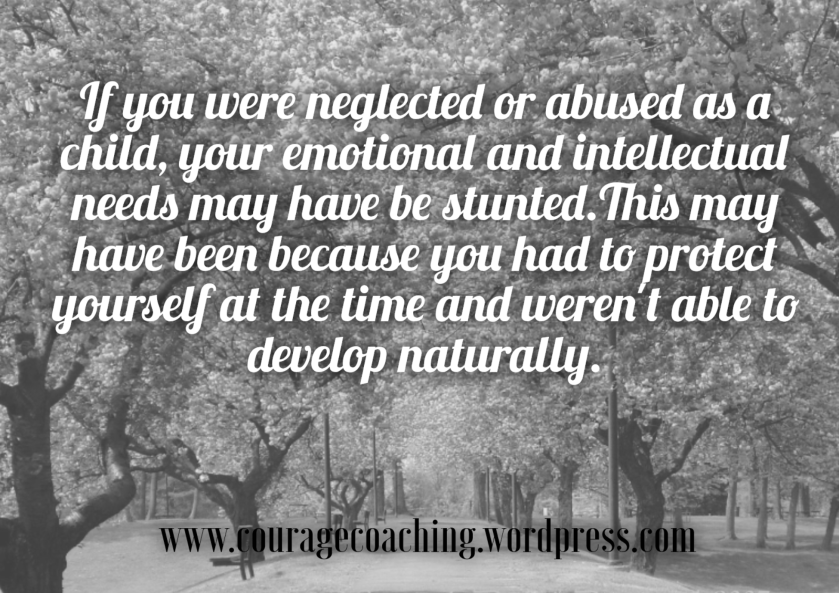
Grieving the estrangement from a parent, no matter what the circumstances, is a very important part of healing from it, as the loss of an accepting & healthy parent is an extremely painful experience, even more so than normal grief. Nothing will ever fill the void of not having had what every child so rightfully deserves. Comfort, validation & unconditional love. Realising that a parent was never truly able to love & accept you, is utterly heartbreaking.

Even if there was abuse, children never stop loving their parent unconditionally and never stop hoping that their parent will change. This is the main reason adult children remain in contact with a parent, despite any abuse that may have occured. They will always long for the unconditional love they never had. In cases when the abuse or invalidation was constant, the trauma bond will also be why the adult child finds it hard to cut ties with their parent.

If the adult child isn’t able to fully grieve the loss of a healthy parent, they will not be able to move forward in a new relationship with them. If the parent continues to be abusive, shows no remorse, shows no understanding and doesn’t make any attempts to make amends, then it is healthier for the relationship to end.

In both cases of estrangement and remaining in contact, grieving is essential. Grieving helps lift the intense painful heaviness of not having had your needs met in childhood. It helps lessen the anger, frustration and injustice.

Most importantly, the adult children who end up going ‘no contact’, have to learn to live with the ‘early death’ of their parent before that parents actually dies. They have to continue living their life, without any communication or knowledge of how that parent is. They have to swallow the grief that creeps up from time to time, during holidays, birthdays, Mother’s day, Father’s day and during other emotional times in their life.

Those adult children who were lucky enough to have had good childhoods, with unconditionally loving parents, will never truly understand the deep pain of those who didn’t have good childhoods.

Family estrangement is a huge challenge and living with it requires support in more ways than one. It is important to have counselling from time to time and to be surrounded by understanding friends or a partner that can truly empathize. Lastly, it is crucial for the estranged, to feel the sadness that emerges and be self-compassionate as much as possible.

Love Athina ♥

© All blog posts and images are owned by me and Courage Coaching. Please don’t use without consent and only re-blog if you would like to use the information on here
Avoidant Personality Disorder

Although it isn’t Monday yet, I have already uploaded Monday’s Youtube video 3 hours early, as tomorrow I am mostly on the go and won’t be checking in much.

As most of my videos focus on CPTSD, Narcissistic abuse, Dysfunctional Relationships and other areas of emotional difficulty, I wanted to address a cluster C disorder this time, as this is something I have experience with. Avoidant Personality is an anxious disorder which can be very pervasive and self-limiting for those who live with it.

It can be caused by childhood trauma and can co-exist with Depression, CPTSD, Dependent Personality Disorder, as well as other disorders.

An individual is diagnosed as having AVPD, if they meet 4 or more of the following 7 criteria.

Definition: A pervasive pattern of social inhibition, feelings of inadequacy, and hypersensitivity to negative evaluation, beginning by early adulthood and present in a variety of contexts, as indicated by four (or more) of the following:

(1) avoids occupational activities that involve significant interpersonal contact, because of fears of criticism, disapproval, or rejection

(2) is unwilling to get involved with people unless certain of being liked

(3) shows restraint within intimate relationships because of the fear of being shamed or ridiculed

(4) is preoccupied with being criticized or rejected in social situations

(5) is inhibited in new interpersonal situations because of feelings of inadequacy

(6) views self as socially inept, personally unappealing, or inferior to others

(7) is unusually reluctant to take personal risks or to engage in any new activities because they may prove embarrassing

As with most personality disorders AVPD isn’t completely curable, although therapy, medication and the right support can help people lead more successful lives.

Is this something you may suffer with? If yes, then get in touch!

Love Athina ♥

© All blog posts and images are owned by me and Courage Coaching. Please don’t use without consent and only re-blog if you would like to use the information on here
The loss of what should have been

When you don’t get certain basic needs met in your childhood, there will come a time in your future where you will eventually become awakened to these unmet needs. Although this isn’t the same for everyone, there is usually one feeling which is most prevalent for most: ”The feeling of being ripped off”

This feeling of being ripped off, because you didn’t have a healthy family or because you no longer have a family to turn to, starts a very real and painful journey of mourning.

A lot of people who grew up with abusive parents, or in one parent families, or in families where their parents were chronically ill, learned to ‘live on autopilot’. They either had to push down their feelings to keep the peace, be a confidant or carer to the sick parent or learned that they had to solely rely on themselves. Even when they were scared and had no one to turn to as children, they had to keep going. As early adulthood approached, they may have found many ways to cope with this underlying feeling of sadness or anger, by drinking too much, working too much and generally trying to find ways to numb out any uncomfortable feelings that would creep up.

When an adult child is first awakened to the reality of what really was and what now is, they somehow know that things will never feel the same again. It might be that a certain event in their adult life uncovered feelings that had been buried deep inside them and suddenly the strength that they thought would always keep the safe, slowly starts to crumble. New anxieties, fears & losses start to unfold and the world suddenly starts to feel like a scary & unsafe place.

At this early stage of realisation, when adult children come to terms with the fact that they needed so much more than what they were given emotionally, the grief can feel overwhelming. Grief for adult children is a complex emotion because so much of the loss has been built up over time and they have long learned to adapt to the constant loss of an ideal childhood. Looking into the future feels bleak and they feel as if things are only going to get worse rather than better.

Through my own journey of grief, I learned that it isn’t a straightforward process and that it doesn’t have a certain time limit. When the grief was so overwhelming at times that I couldn’t imagine a better future, I reminded myself that it was necessary for me to truly feel the sadness. When your heart feels broken you have to let it heal and healing requires compassion & patience with yourself.

Pete Walker is a truly Inspirational Psychologist and survivor of childhood abuse. His words below really resonate:

 “…the broken heart that has been healed through grieving is stronger and more loving than the one that has never been injured.  Every heartbreak of my life, including the brokenheartedness of my childhood, has left me a stronger, wiser and more loving person than the one I was before I grieved”

The last thing that is worth mentioning, is that a lot of people don’t start their journey of recovery & grief from childhood trauma, unless it is emotionally safe for them to do so. It might be that they are in a supportive relationship and a stable environment and this enables them to ‘let go’ and just be vulnerable. It might be that they have found a therapist which they feel comfortable enough to be themselves.

Recovery from the losses of one’s childhood is necessary in order to restore balance & new found hope in the future.

FontCandy (29)

What is your experience?

Love Athina ♥

© All blog posts and images are owned by me and Courage Coaching. Please don’t use without consent and only re-blog if you would like to use the information on here
How to live with gratitude

WP_20170310_15_41_44_Pro

Gratitude is a very important tool that most of us don’t use as often as we could.

To be grateful for all that we have in our life can bring a certain sense of contentment and peace.

Studies have been done, which show that gratitude improves both mental and physical health. Gratitude can reduce feelings of hopelessness and can greatly improve our relationships with others.

Doing a daily gratitude list just before bed, has been found to not only improve sleep quality but can also help with reducing depressive symptoms in people who are suffering.

”Gratitude makes sense of our past, brings peace for today, and creates a vision for tomorrow” – Melody Beattie

The key to really benefiting from the practice of gratitude, is to write 5 or more things that you are grateful for on each day.The more specific the things you write about, the more beneficial the effects.

One example for this may be ”My friend suprised me with a ‘Thank you’ card today” or ”I enjoyed playing with my cousin’s puppies”.

Another way of practicing gratitude, is to have a little jar and pop daily gratitude notes in it..At the end of the month or after a particularly bad day, it can be useful to return to your gratitude jar and read all the little gratitude notes you put in it.

Do you practice gratitude and if yes, is there something specific you do?

Thanks for reading

Love Athina ♥

© All blog posts and images are owned by me and Courage Coaching. Please don’t use without consent and only re-blog if you would like to use the information on here.

Parentification

In today’s video, I talk about another type of child abuse known as parentification.

Parentification isn’t always through the known fault of a parent, as sometimes in single parent families or in families with a special needs child, the parent struggles to keep the needs of the child fulfilled appropriately. Sometimes, the parent may be also suffering from a severe disability such as a chronic condition or severe mental health difficulties, and it is only natural that the child may at times become a carer to the parent. This is especially true, if there isn’t an additional parent or family member around to support the child.

Unfortunately, in a family where 1 or both parents suffer with narcissistic personality disorder, this type of abuse is even more prevalent in both a physical and emotional way.

My video describes this in more detail:

If you have experienced parentification, then feel free to share your experience.

If you find this youtube video and blog post useful, then please like, share & subscribe.

Please support my youtube channel on my patreon page. There are exclusive patron only videos on there, which are available specifically to those of you who contribute & become patrons.

https://www.patreon.com/AthinaEhlen

Love Athina ♥

© All blog posts and images are owned by me and Courage Coaching. Please don’t use without consent and only re-blog if you would like to use the information on here.


Malignant narcissism

Although this isn’t an actual diagnosis in the DSM, it is very real and it is very destructive.

I have had first hand experience with someone who has this condition and I live with a very real mental illness that was caused by that person.

I made a quick video outlining the basics.

I hope you find it helpful.

Love Athina ♥

© All blog posts and images are owned by me and Courage Coaching. Please don’t use without consent and only re-blog if you would like to use the information on here.

How does codependency start?

Hello to all of you 🙂

I hope you are all well or at least trying to be.

Thank you to those of you who have recently followed my blog and youtube channel.I am very grateful. Tomorrow I have the morning off my German class so will be catching up as much as possible on all your posts and comments.Despite my busy schedule at the moment, I have still been managing to upload videos to Youtube every week and luckily the topics I talk about are still helping a few of you.

The Q & A videos have been a success and I still have quite a few unanswered emails to sort through, so please bear with me.

The Christmas break (although most definetely not my favourite time of year) will give me the opportunity to do more videos in response to your questions.

Today’s YouTube video focuses on the cycle of codependence and how is starts & worsens over time.

tumblr_mrdkpzygce1s43hlxo1_500

Codependency is very real and is a result of living in a home with an alcoholic parent, an abusive parent or a parent with a mental illness. Codependency develops when you put your own needs & feelings aside as a child, to care for & comfort a sick parent. Not everyone agrees with this point of view, however I have been through it and know the challenges associated with it.

Reaching out to all of those who struggle with their mental health means the world to me, especially to those who have suffered trauma and live with the result of this trauma.

I know how it feels to be invalidated.

I know how it feels to be called too sensitive or to just get over it.

Stigma towards mental illness is very much alive.

By sharing your experiences and spreading awareness in any way possible, this helps others understand better what it might be like for those who struggle.

If you can relate to this video, or think it will help someone you care about, then please share it with love ♥

Hugs Athina ♥

© All blog posts and images are owned by me and Courage Coaching. Please don’t use without consent and only re-blog if you would like to use the information on here.

Question & Answer- YouTube videos

Today I am starting off my series of Q & A videos, where my viewers and subscribers are able to get their questions answered by me, in a video each week. Please feel free to ask me questions on the following topics:

  • Complex PTSD
  • Narcissistic abuse
  • Dysfunctional relatioships
  • Negative thinking
  • Dealing with emotional flashbacks
  • Anxiety
  • Depression
  • Trauma Bonding
  • Toxic shame
  • Codependency

I also am happy to answer questions on how to :

  • Better manage your time
  • Practice self-compassion
  • Develop resilience
  • Stop self-defeating thinking patterns
  • Better manage your workload
  • Build confidence
  • Set boundaries
  • Deal with toxic people

Here is the first video on a question asked by one of my viewers:

Please note: **I will always keep the identity of my viewers confidential**

Thanks for reading and watching

Love Athina ♥

© All blog posts and images are owned by me and Courage Coaching. Please don’t use without consent and only re-blog if you would like to use the information on here.


You are loved, you are enough

fontcandy-8

I know there are so many of you battling your demons every day..It takes guts..It takes courage to fight the war inside your head..

This post is for all of you who are struggling..One breath at a time is so important when the world is feeling especially cruel..

This blogging community supports so many people with mental illness…

So Reblog this post and support each other..

Love Athina ♥


Spreading a little awareness sparkle

fontcandy-6

Just a quick post about something that matters as equally as physical health.

We all live with mental health and mental illness can touch all of us at least once in our lifetime.So how openly do we talk about it and how easily do we feel uncomfortable mentioning our struggles to a co-worker, family member or friend?

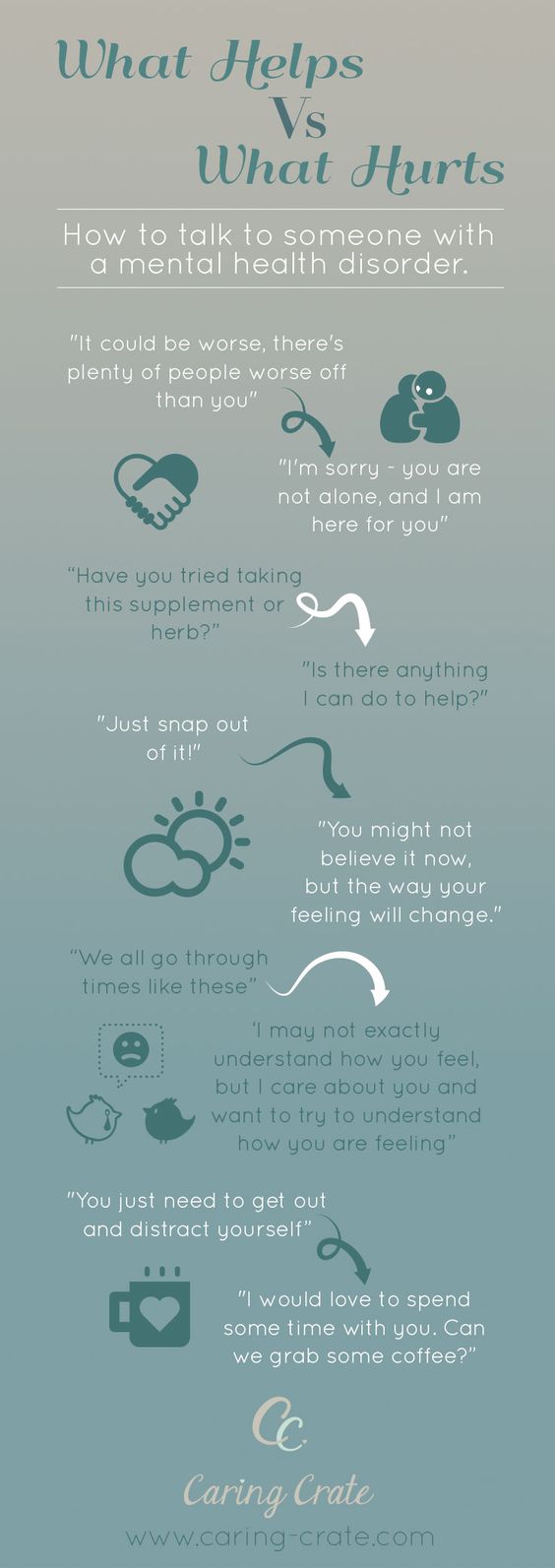
I have encountered so many of the below unhelpful phrases from ignorant individuals, so for this reason, I will keep spreading awareness of the importance of validating someone’s struggles with their mental health.

‘Don’t dwell on the past’

‘Aren’t you over it by now?’

‘Can’t you just try and be more happy?’

‘Stop focusing on the negative’

‘Strong people just get on with it’

‘Stop being a hypochondriac’

‘Stop being so self-centered’

‘Just snap out of it!’

‘You are just looking for attention’

IMG_0546

68996263715234a6de2749035a255252

Look after yourselves ♥

Love Athina ♥

© All blog posts and images are owned by me and Courage Coaching. Please don’t use without consent and only re-blog if you would like to use the information on here.