
You are loved, you are enough

fontcandy-8

I know there are so many of you battling your demons every day..It takes guts..It takes courage to fight the war inside your head..

This post is for all of you who are struggling..One breath at a time is so important when the world is feeling especially cruel..

This blogging community supports so many people with mental illness…

So Reblog this post and support each other..

Love Athina ♥


Spreading a little awareness sparkle

fontcandy-6

Just a quick post about something that matters as equally as physical health.

We all live with mental health and mental illness can touch all of us at least once in our lifetime.So how openly do we talk about it and how easily do we feel uncomfortable mentioning our struggles to a co-worker, family member or friend?

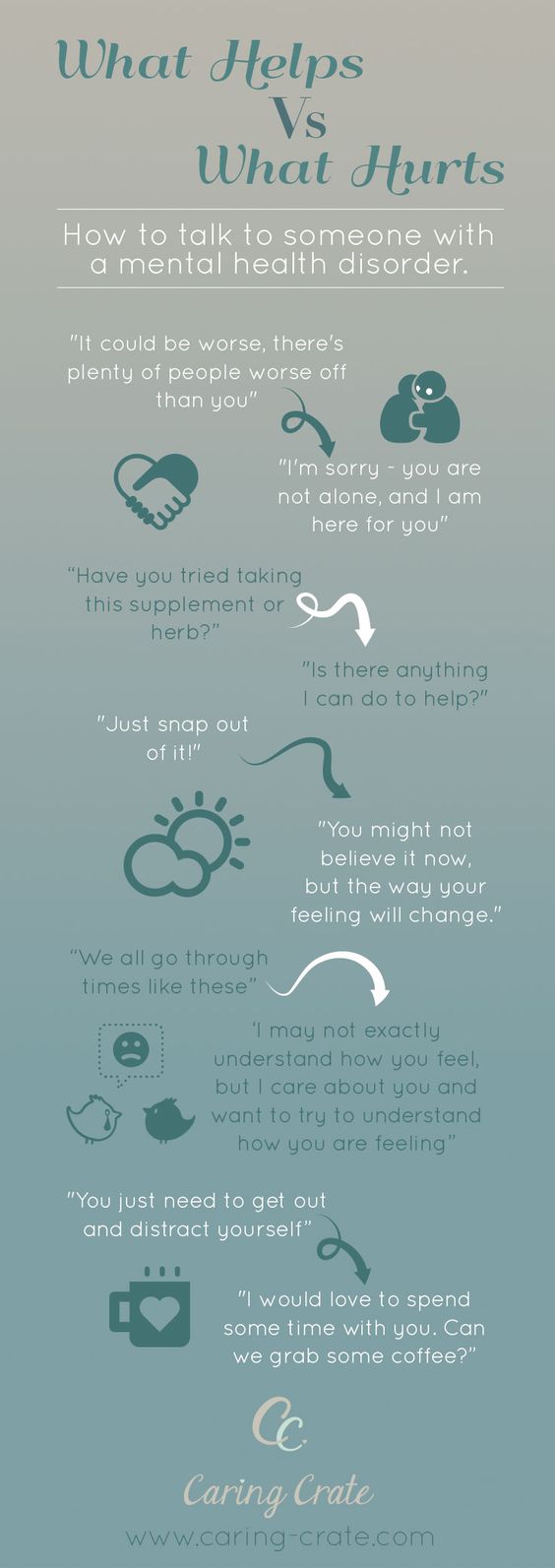
I have encountered so many of the below unhelpful phrases from ignorant individuals, so for this reason, I will keep spreading awareness of the importance of validating someone’s struggles with their mental health.

‘Don’t dwell on the past’

‘Aren’t you over it by now?’

‘Can’t you just try and be more happy?’

‘Stop focusing on the negative’

‘Strong people just get on with it’

‘Stop being a hypochondriac’

‘Stop being so self-centered’

‘Just snap out of it!’

‘You are just looking for attention’

IMG_0546

68996263715234a6de2749035a255252

Look after yourselves ♥

Love Athina ♥

© All blog posts and images are owned by me and Courage Coaching. Please don’t use without consent and only re-blog if you would like to use the information on here.

Recovery is not a destination

I wanted to write a quick post on the topic of recovery. I have embraced and accepted my own journey of recovery but not without many difficult years of wanting to see big changes, too soon..

52171

I know there are a lot of you battling with the struggles of mental health daily and wishing that you could achieve more.

I also know how disheartened you must feel when you don’t seem to reach your destination of being ”recovered”…This is where the problem lies..Recovery isn’t a destination..it is an ongoing, changing process with ups and downs..

Recovery doesn’t mean you will reach a day where you are recovered completely.What it DOES mean is that you will reach a point in your life where every struggle is much smaller and you will be able to feel better on more days than usual. If you suffered child abuse or neglect, you will most likely have ongoing mental health issues but this doesn’t mean you will suffer in the same way, as you grieve and progress in your healing. If you are a recovering alcoholic or drug addict, you will also know how much of a challenge it is to stop yourself from returning to the one thing that was able to numb you in the past..You are aware that your recovery from the drug of your choice will always be a constant in your life.

Before you are too harsh on yourself and have huge expectations on where you think you should be in your recovery, just remind yourself that everything is unfolding exactly as it should..that there are many small positive shifts happening in your mental health and that no matter how awful the tears, flashbacks, triggers, depression and anxiety are, that there are better days to come..Remind yourself of this when you are particularly low!

If you are recovering from any mental health issues, then this post is for you.

Be self-compassionate, give yourself a pat on the back and keep moving forward in your journey of recovery..Keep looking for resources that may help you along  your journey, seek out a therapist or coach who is experienced and validating and keep all abusive & toxic people away from your life.

Love Athina ♥

© All blog posts and images are owned by me and Courage Coaching. Please don’t use without consent and only re-blog if you would like to use the information on here.
 

Youtubes videos are on hold..

Hello, how are you doing? I hope you are looking after yourselves wherever you are in the world ♥

The reason I am writing this post, is because I have had a couple of my followers & subscribers request an improvement in the sound quality of my videos. I was aware that it wasn’t very loud, but had no idea the sound got so bad.It seemed to get worse after I tried removing the background noise. The editing software I used seemed to dull the sound quality for some reason so I wanted to apologise for this and let you know that I am currently dealing with it.

After exhausting all my options in regards to devices I already have ( laptop, ipad, nikon photo camera etc), I have now found a very good webcam which has a great microphone, good quality HD video and also reduces background noise. It has very good reviews on amazon and was also recommended through a few youtubers as well.

This is the link if you are interested: http://www.logitech.com/en-roeu/product/hd-pro-webcam-c920

I always post videos on a Monday because it makes it easier for my subscribers to know when to check in but because I am currently waiting for my webcam to arrive, I will not being doing a youtube video this coming Monday.

I might be able to create another text video for those of you who don’t mind them, so if there is a topic you would like me to cover then please let me know 🙂

Lastly, I wanted to thank summerstartstoshine for nominating me for The sunshine blogger award, which I will write about in a separate post.She is a very kind & courageous blogger, so if you haven’t checked out her blog already then please pop by her page.

suns

Love Athina ♥♥

© All blog posts and images are owned by me and Courage Coaching. Please don’t use without consent and only re-blog if you would like to use the information on here.

 

4 tips before going ‘No contact’ with a narcissistic parent

If you are currently considering ‘No contact’ with a narcissistic parent, then this video might be helpful.

Love Athina ♥

© All blog posts and images are owned by me and Courage Coaching. Please don’t use without consent and only re-blog if you would like to use the information on here.
Living as an expat and the additional challenges of those with a mental illness

img_0582

Some of you may have had the experience of moving abroad for the first time to follow your partner’s work. Some of you may have actually been the ones that were offered a job in another country. Whatever your circumstances, being an expat is challenging. If the country you have chosen to move to also speaks another language, then this obviously poses another challenge: that of not being able to communicate effectively.

From my own personal experience, being an expat has been eye-opening and tough at times. My husband has a typical full time work routine and I on the other hand, do some coaching, some voluntary work and the odd child-care. The voluntary work & coaching is mostly from home & online and life has felt very isolating at times. Trying to set up an English speaking business in a German speaking country also has its challenges.

Although learning the language in the country you are living in, is the best option by far, for some of us this just isn’t an option. The reasons for this are many. Some people may only be staying in the country for a short time, 1 or 2 years and will then be moving on to another country. Their job requires constant moving around the globe, so learning a new language each time just isn’t worth the time and effort. Others, aren’t able to learn the language due to health problems, other commitments or a general fear of leaving their comfort zone.

From personal experience and if I am completely honest, I don’t like the language in the country I am living in. I really wish I did but unfortunately I don’t. Secondly I don’t have the motivation to put in the hard work to learn it. This all stems from the fact that when we originally moved abroad with my husband, I was only going to be staying for a year and then moving back home to study. If I had known that I would be abroad for nearly 2,5 years initially, I probably wouldn’t have made the move.

Secondly, due to my mental health and the fact that I live with Complex PTSD, motivating myself to learn a new skill is tough at the best of times, due to the many symptoms of my illness. I am triggered often by my surroundings and feel easily overwhelmed. In order for me to do something well, I have to be determined to learn it and also have an interest in it. This is enough to help me push through the uncomfortable symptoms of my CPTSD. The greater the interest in something, the more motivated I am & the better I become at it.

If you think back to when you were at school, your best subjects were mostly the ones you enjoyed, right? If you were forced to learn things you really didn’t enjoy or even understand, then the result is usually one of frustration or boredom. If on top of that, you also struggled with depression or other mental health problems, your concentration & memory might have also been affected. This was something I was very familiar with for most of my school & subsequent university years. Everything had always been a struggle, due to the neglect and abuse I suffered as a child.

Having a mental illness is a struggle in your daily life even when you are within your comfort zone of ‘HOME’ but when you consider the life as an expat, this can be even more overwhelming. Not only do you feel like a fish out of water and have to deal with homesickness but you also have to get used to the dissapproval you constantly feel for not being what others expect you to be. A fully integrated member of the country you are living in. This obviously means knowing the language, having a job and taking part in some social activities. If however, you aren’t able to be this fully integrated member, this makes you miss home more and more. It can trigger episodes of anxiety & depression and every day becomes even more of a challenge.

We are all different in the way we choose to live our lives and that is totally okay. Some of us have never lived outside our hometown and don’t have an interest in ever doing so. Some of us don’t mind moving around to different cities within our country & others choose to move all around the world and absolutely love it.

I think it is always okay to be honest with ourselves and know our limitations. It is ok to admit that living as an expat might be absolutely terrifying for us.For those of us who are lucky enough to have many friends and family living nearby, we might always value these relationships above moving abroad for a job and that is completely okay!

For me personally, I don’t have a problem living abroad in general but I am just not someone who has an interest in languages. I already speak 2 fluently and have constantly travelled between Greece & England all of my life. I am very content with that. I also am happy to support my husband in his work, which is currently in Germany, as he has created the comfortable lifestyle we have. I am very blessed to be able to share this with him. In future however, I would only move to an English speaking country or back to Greece, which is is where I grew up.

In regards to mental health, when thinking about the difficulties and stigma of mental illness in addition to the difficulties of those of us living as an expat, people need to become more aware of the importance of talking about this and being more understanding.

People need to stop stigmatising those people who are making certain choices in their life, which may differ hugely from others. Expats that choose to live abroad but also struggle with mental health issues, need to cut themselves some slack and be more self-accepting. Other expats who live abroad and have absolutely no mental health issues, need to be aware of those of us who do. It is a big challenge!

It can be very isolating to have mental health problems but even more so when you are living abroad. You will already have your limitations and you will find certain things even tougher than you may have thought of originally. Things that never scared you before will feel absolutely terrifying when you are abroad. If you are also living abroad and don’t have any close friends or family to rely on, then this in itself can be very challenging.

The purpose of this post was to raise awareness of the struggles of those with mental illness that live abroad. I feel no shame in admitting that I am one of those people.

Luckily, despite my struggles, I managed to gain a qualification in CB Coaching and am able to support those with bigger struggles than my own, but in no means should I ignore my own daily living challenges in my life as an expat in Germany.

If you are an expat with mental health issues, then please pop by and say hello!

Love Athina ♥♥

© All blog posts and images are owned by me and Courage Coaching. Please don’t use without consent and only re-blog if you would like to use the information on here.

 

Symptoms of anxiety that you may not know about

Anxiety can affect our body in so many ways that sometimes it is very hard to differentiate  between anxiety or something much more serious.Some symptoms are exactly the same as symptoms caused by more serious health problems, so how do we tell the difference? 

It is usually helpful to get check ups with a doctor to rule out anything more serious but most of the time, a doctor can tell you if what you are experiencing is caused by anxiety.

angst-807726_960_720

The below symptoms were directly sourced from: www.anxietycentre.com This website is the most helpful and detailed website out there regarding anxiety, that I have recommended to clients, those suffering from an anxiety disorder & also therapists.

This would be useful, to anybody out there who suffers with Generalised Anxiety, OCD, phobias, panic disorder, PTSD, CPTSD & Social Anxiety.

This website, helped me identify a lot of my own anxiety symptoms several years ago, when I was in a constant state of hyperarousal and anxiety. Shortly after this period, I was diagnosed with Complex PTSD, which finally gave me more insight into my condition.

The symptoms list on this website, were very validating for me at a time that I literally felt like I was going crazy with anxiety.

I personally have experienced the following symptoms, in addition to the most well-known symptoms that most people know about.

  • Eye problems, vision symptoms
  • Eyes sensitive to light
  • Tingling & numbness in arms
  • Frequent urination
  • Bad taste in the mouth and anxiety
  • A tinny, metallic, or ammonia, or unusual smell or taste
  • Depersonalization
  • Derealization
  • Brain fog
  • Tremors

Which of these symptoms have you experienced from your anxiety disorder?

Below is a detailed list of all the symptoms associated with an anxiety disorder. Did you ever think there were this many?

Body Anxiety Symptoms:

  • Back pain, stiffness, tension, pressure, soreness, spasms, immobility in the back or back muscles
  • Blanching (looking pale, loss of color in the face or skin)
  • Blushing, turning red, flushed face, flushed skin, blushing, red face or skin
  • Body aches, parts of or your entire body feels sore and achy, feels like your body and muscles are bruised
  • Body jolts
  • Body zaps
  • Body shakes
  • Body trembling, shaking, anxiety symptoms
  • Body tremors
  • Body temperature increase or decrease, change in body temperature
  • Brain zaps
  • Burning skin, itchy, crawly, prickly or other skin sensations, skin sensitivity, numbness on the skin
  • Burning skin sensation on the face, neck, ears, scalp, or shoulders
  • Buzzing sensation in the feet, toes, hands, fingers, arms, legs
  • Chest pain anxiety symptoms
  • Chest pains anxiety symptoms
  • Chest tightness feeling
  • Choking
  • Choking feeling in throat
  • Chronic Fatigue, exhaustion, super tired, worn out
  • Chronic pain and anxiety
  • Clumsiness, feeling clumsy, co-ordination problems with the limbs or body
  • Cold chills, feeling cold all the time
  • Cold flashes, flash
  • Cold hands and feet
  • Craving sugar, sweets, chocolate, usual craving for sugar and sweets
  • Crazy thoughts
  • Difficulty speaking, moving mouth, talking, co-ordination problems with the mouth or tongue
  • Dizziness, feeling lightheaded, dizzy, feeling dizzy
  • Electric shock feeling, body zaps
  • Excess of energy, you feel you can’t relax
  • Falling dropping sensation
  • Feeling faint
  • Feel ill and sick, yet can’t describe how you feel but that you feel ill in some way
  • Feel like you are going to pass out
  • Feel cold, chilly, cold all the time
  • Feel wrong, different, foreign, odd, or strange
  • Feels like floor is moving, swaying
  • Flu-like symptoms, feel sick or ill, feel like you are coming down with the flu
  • Flushed face, red face, flushed skin
  • Frequent urination
  • Frequent urination at night
  • Frequent urination in men
  • Hair loss, hair is thinning, or clumps of hair are falling out, balding
  • Headaches, migraine headaches, anxiety headaches
  • Head and Brain Zaps
  • Head and brain zaps – medication causes
  • Heart palpitations, racing heart
  • Hot flash, flashes
  • Hyperactivity, excess energy, nervous energy
  • Hypersensitivity; super sensitive nerves, hearing, touch, tastes
  • Increased or decreased sex drive
  • Infection – increased infections, persistent infection
  • Motion sickness feeling
  • Mouth or throat clicking or grating sound/noise when you move your mouth or jaw, such as when talking
  • Muscle tension, stiffness, aches, pains
  • Muscles that vibrate, jitter, tremor, or shake when used
  • Muscle twitching
  • Muscle weakness
  • Nausea
  • Nausea vomiting
  • Neck, back, shoulder tension and stiffness
  • Neck tension
  • Nervous cough
  • Night sweats, waking up in a sweat, profusely sweating at night, anxiety night sweats
  • No energy, feeling lethargic, tired, exhausted, chronic fatigue
  • Numb tinging hands
  • Numbness
  • Numbness tingling, numbness and tingling
  • Numbness and tingling fingers
  • Numbness and tingling, and other skin sensations on hands, feet, face, head, or any other places on the body
  • Pins and needles: all over, in the hands and feet, fingers, left arm, etc.
  • Pounding heart, heart feels like it is beating too hard
  • Pulsing or throbbing muscles. Pulsing or throbbing sensation
  • Racing heart, heart palpitations
  • Red skin, skin looks like or is turning red
  • Rib or rib cage tightness, pressure, or feeling like a tight band around the rib cage
  • Sexual Dysfunction, sexual uninterest
  • Shaking anxiety feelings
  • Shooting pains anxiety symptoms
  • Shooting pains, stabbing pains, and odd pressures in the neck, head, or face
  • Shooting pains in the face
  • Shooting pains in the scalp or head
  • Skipped heart beats
  • Sore or tight scalp, headaches, neck tension
  • Startle easily
  • Sweating, profuse, excessive, uncontrollable sweating
  • The floor feels like it is moving either down or up, swaying
  • Tightness in the ribs or rib cage area, may also feel like a tight band around the ribs or rib cage area.
  • Tingling numb hands
  • Tingling, tingly, pins and needles sensations – anywhere on the body, including the hands, feet, legs, arms, head, mouth, chest, groin area
  • Throat or mouth clicking or grating sound/noise when you move your mouth or jaw, such as when talking
  • Trembling, shaking, tremors
  • Twitching
  • Unsteadiness, dizziness, feeling dizzy or lightheaded
  • Urgency to urinate, sudden urge to go to the washroom, sudden urge to pee
  • Warm spells
  • Weak – feel weak, weakness, low energy, light, soft, like you may faint
  • Weak legs, arms, or muscles
  • Weak limbs/extremities
  • Weight gain; sudden weight gain
  • Weight loss; sudden weight loss

Fears Anxiety Symptoms:

  • A heightened fear of what people think of you
  • Afraid of being trapped in a place with no exits
  • Constant feeling of being overwhelmed.
  • Fear of being in public
  • Fear of dying
  • Fear of losing control
  • Fear of impending doom
  • Fear of making mistakes or making a fool of yourself to others
  • Fear of passing out
  • Fear that you are losing your mind
  • Fears about irrational things, objects, circumstances, or situations
  • Fears of going crazy, of dying, of impending doom, of normal things, unusual feelings and emotions, unusually frightening thoughts or feelings
  • Feeling afraid all the time
  • Heightened self awareness, or self-consciousness
  • Need to find nearest washrooms before you can feel comfortable
  • Need to sit near exits

Head Anxiety Symptoms (associated with the head):

  • Anxiety headaches, migraines headaches
  • Brain fog
  • Burning, itchy, tight scalp
  • Dizziness or light-headedness
  • Frequent headaches, migraine headaches
  • Feeling like there is a tight band around your head, pressure, tightness
  • Hair loss, hair is thinning, or clumps of hair are falling out
  • Having a humming, droning, rumbling, throbbing, vibrating-like, hissing, fizzing, or other types of sounds in your head
  • Headaches, migraines
  • Head, neck or shoulder tightness, stiffness, or pain
  • Head zaps, head tremors. brain zaps
  • Giddiness
  • Numbness
  • Numbness tingling, numbness and tingling
  • Shooting pains, stabbing pains, and odd pressures in the neck, head, or face
  • Shooting pains in the face
  • Shooting pains in the scalp or head
  • Tingling in Head
  • When you close your eyes you feel like are beginning to, or will, float upwards
  • Sore jaw that feels like a tooth ache
  • TMJ (Temporo-Mandibular Joint) – clenching of the jaw or grinding of the teeth

Heart Anxiety Symptoms (associated with the heart):

  • Chest pain or discomfort
  • Chest pains anxiety symptoms
  • Concern about the heart
  • Find it hard to breath, feeling smothered, shortness of breath
  • Frequent yawning to try and catch your breath
  • Heart attack or anxiety attack (panic attack)
  • Heart Palpitations – beating hard or too fast, rapid heartbeat
  • Heart – Irregular heart rhythms, flutters or ‘skipped’ beats, tickle in the chest that makes you cough
  • Pounding heart, heart feels like it is beating too hard
  • Radiating pain in the left shoulder and arm
  • Shooting chest pains
  • Shortness of breath
  • Stabbing pains in the back, fear heart problem
  • Tight band around the chest, fear heart problem

Mind Anxiety Symptoms (associated with the mind and thinking):

  • Afraid of everything
  • Altered state of reality, consciousness, or universe feeling
  • Brain Fog
  • Crazy thoughts
  • Deja Vu, a feeling like you’ve done or experienced something before
  • Depersonalization
  • Derealization
  • Desensitization
  • Difficulty concentrating, short-term memory loss
  • Difficulty speaking
  • Difficulty thinking
  • Disorientation
  • Easily distracted
  • Fear of going crazy
  • Fear of losing control
  • Fear of impending doom
  • Feelings of unreality
  • Frequent feeling of being overwhelmed, or that there is just too much to handle or do
  • Having difficulty concentrating
  • Memory loss
  • Nightmares, bad dreams
  • Obsession about sensations or getting better
  • Slow motion feeling
  • Repetitive thinking or incessant ‘mind chatter’
  • Short-term learning impairment, have a hard time learning new information
  • Short-term memory impairment, can’t remember what I did a few days, hours, or moments ago
  • Spaced out feelings, feeling spaced out
  • “Stuck” thoughts; thoughts, mental images, concepts, songs, or melodies that ‘stick’ in your mind and replay over and over again.
  • Trapped in your mind feeling
  • Underlying anxiety, apprehension, or fear
  • You often feel you are carrying the world on your shoulders

Mood Symptoms; Emotion Symptoms (associated with mood, emotions, and feelings):

  • Always feeling angry and lack of patience
  • Chronic Fatigue Anxiety Symptom, Syndrome
  • Depersonalization
  • Depression
  • Dramatic mood swings
  • Emotionally blunted, flat, or numb
  • Emotions feel numb; emotionally numb
  • Emotional flipping (dramatic mood swings)
  • Emotions feel wrong
  • Everything is scary, frightening
  • Feeling down in the dumps
  • Feeling like things are unreal or dreamlike
  • Frequently being on edge or ‘grouchy’
  • Frustration, frustrated, anxiety frustration
  • Feel like crying for no apparent reason
  • Have no feelings about things you used to
  • Irritability, irritated, easily annoyed
  • Mood swings
  • Not feeling like yourself, detached from loved ones, emotionally numb
  • Underlying anxiety, apprehension, or fear
  • You feel like you are under pressure all the time

Mouth, Voice, Stomach, and Digestive System Anxiety Symptoms (associated with the mouth, voice, stomach, and digestive system):

  • Bad taste in the mouth and anxiety
  • A tinny, metallic, or ammonia, or unusual smell or taste
  • Aerophagia (swallowing too much air, stomach distention, belching)
  • Burning mouth, feeling like the inside of your mouth is burning, or tingling, or like pins and needles, or all of these together or at different times
  • Burping, belching, frequent or excessive burping and belching, gas
  • Burning tongue, feeling like your tongue is burning, or tingling, or like pins and needles
  • Choking
  • Constant craving for sugar or sweets
  • Constant lump in the throat feeling
  • Constipation
  • Diarrhea
  • Difficulty swallowing
  • Difficulty talking, pronouncing certain letters or sounds, mouth feels like it isn’t moving right, slurred speech
  • Dry mouth
  • Esophageal spasms
  • Feeling like you can’t swallow properly or that something will get caught in your throat
  • Feeling like your tongue is swollen
  • IBS
  • Lack of appetite, Loss of appetite
  • Lump in the throat, tight throat, something stuck in your throat
  • Mouth muscles twitching/jumping
  • Mouth or throat clicking or grating sound/noise when you move your mouth or jaw, such as when talking
  • Nausea
  • Nausea vomiting
  • Nausea or abdominal stress
  • Nervous stomach
  • Stomach upset, gas, belching, bloating
  • Teeth grinding
  • The thought of eating makes you nauseous
  • Tight throat, lump in throat
  • Throat or mouth clicking or grating sound/noise when you move your mouth or jaw, such as when talking
  • TMJ
  • Tongue symptoms – Tingly, stretched, numb, frozen, itchy, crawly, burning, twitching, jumpy, aching, sore, or swollen tongue (when it isn’t).
  • Urgency to urinate, frequent urination, sudden urge to go to the washroom
  • Voice changes: shaky, crackly, raspy, unsteady, hoarseness, broken, cracked, weak, random pitch, uneven tone, loss of voice, etc.
  • Vomiting

Skin Anxiety Symptoms (anxiety symptoms associated with the skin):

  • Burning itching skin (hands, feet, face, lips, etc.)
  • Burning skin sensations, skin sensitivity
  • Itching burning skin but no rash
  • Numbness
  • Numbness tingling, numbness and tingling
  • Red skin, looks like your skin is red or turning red for no reason
  • Skin feels cold, wet
  • Skin problems, infections, rashes

Sleep Anxiety Symptoms (anxiety symptoms associated with sleep and sleep problems):

  • Difficulty falling or staying asleep
  • Frequent bad, bizarre, or crazy dreams
  • Hearing sounds in your head that jolt you awake
  • Insomnia, or waking up ill in the middle of the night
  • Jolting awake
  • Waking up in a panic attack
  • You feel worse in the mornings

Sight Anxiety Symptoms (anxiety symptoms associated with the eyes and sight):

  • Distorted, foggy, or blurred vision
  • Dry, watery or itchy eyes
  • Eye tricks, seeing things our of the corner of your eye that isn’t there, stars, flashes
  • Eye problems vision symptoms
  • Eyes sensitive to light
  • Spots in the vision
  • Flashing lights when eyes are closed
  • Your depth perception feels wrong

Touch Anxiety Symptoms (anxiety symptoms associated with the sense of touch):

  • Burning skin sensations, skin sensitivity
  • Feeling cold or chilled
  • Numbness
  • Numbness tingling, numbness and tingling
  • Pain
  • Pins and needles: all over, in the hands and feet, fingers, left arm, etc.


Love Athina ♥

© All blog posts and images are owned by me and Courage Coaching. Please don’t use without consent and only re-blog if you would like to use the information on here.



Can’t afford Coaching or Therapy? Then try Co-counseling :-)

Apologies for not having posted since Friday..My laptop has been very slow so I have found it extremely hard getting stuff done on it.

In this post I would like to introduce Co-coaching to those of you who have never heard of it..

My YouTube video explains it in more detail and by watching it you can find out more about it. Hint hint 😉

I would love it if this post could reach as many people as possible, so please share away 😉

This is something you can practice with a friend or partner..

It’s free, it helps with personal growth, relieves stress and provides you with a weekly outlet for all your pent up emotions or thoughts.

So what are you waiting for ?

Help me spread awareness on Co-counseling 🙂

Love Athina ♥

© All blog posts and images are owned by me and Courage Coaching. Please don’t use without consent and only re-blog if you would like to use the information on here.
Poor sleep-One of many side effects of CPTSD, anxiety & depression

Are you somebody who struggles to sleep well and ends up waking up exhausted in the morning rather than refreshed? Do you find that you often have vivid stress dreams which can at times disrupt your sleep in the middle of the night?

fairy-tale-1180921_1920

If you are someone who also struggles with depression, anxiety or (C)PTSD, then this will no doubt have an impact on your quality of sleep.

Both anxiety & depression, involve a thinking style known as ruminating. Ruminating means that we go over the same thoughts over and over again,without any resolution. These thoughts are usually negative and if they aren’t resolved with some sort of action, they will then possibly play out in our dreams at night.

Apparently is has been stated that a memory is composed of a situation or thought, the emotions experienced from that situation or thought and then the actions taken. If something happened during the day for example, that was upsetting but you weren’t able to resolve the situation in some way, then this will most likely linger until you go to bed. Since ruminating means that our thoughts and emotions are stuck in a repetitive loop, we will then most likely have an anxiety dream, in which we will try and find a resolution to our initial problem. Our mind just isn’t able to switch off properly until our problem has been solved.

So basically, if you have had a stressful day and there is still stuff that needs to be resolved, you will then most likely be doing this in your sleep as well. Since stress and anxiety can be exhausting during the day, then it is pretty similar at night too.If the brain doesn’t get a chance to ‘switch off’ or relax at night, then you can understand why the quality of your sleep is compromised.

This causes a vicious cycle which looks a bit like this :

Worrying/Rumination → Poor sleep quality → Increase in stress during the day & trouble coping → Worrying/Rumination → Poor quality sleep  .. etc

Too much ruminating can lead to feeling helpless. If you are too focused on the problem you are ruminating about, you tend to get stuck and this affects your actual problem solving skills.

A few tips to calming your worrying mind at night:

  • Try and resolve the problem before going to bed (if this is possible).
  • Talk to a friend or family member about your worries (A different point of view might do wonders)
  • Write down your troublesome thought/s on a piece of paper or type up a document on the computer..This might help you find a solution, by seeing your thoughts clearly written in front of you..
  • Another thing you can do is write a priority list (if your worries are work related). By organising your time and managing your tasks into more urgent, less urgent etc..this might help you relax more.
  • Think about what is in your control and what isn’t..If it isn’t in your control, then try to ‘let it go’..
  • If you are still not able to sleep, use lavender oil on your pillow and find some self-hypnosis tracks you can listen to while lying in bed..


What are your thoughts on this? Are you someone who suffers with ruminating and poor quality sleep?  Do you also suffer with a mental illness? How often would you say you have anxiety dreams on average? Twice a week or more?

Love Athina ♥

© All blog posts and images are owned by me and Courage Coaching. Please don’t use without consent and only re-blog if you would like to use the information on here.
 

Leaving your comfort zone

Moving out of our comfort zone can be extremely rewarding if we are able to manage the anxiety that pops up. Humans are creatures of habit and having a steady routine, a safe haven in our home and the people around us that provide love and validation,becomes so important.We fear uncertainty, loss, pain, and so we seek to keep ourselves cooped up in our ‘safety net’ of comfort.

teddy-1113160_1920

The difficult thing about comfort zones, is that they can at times foster an attitude of learned helplessness making progress harder.

Personal discovery and personal development tend to happen more when we are outside our comfort zone but how often do we actually manage to venture outside it?

The one thing that my coachees always find helpful, is to start off with setting 1 small goal. It is easier to focus on 1 thing at a time if you want to make progress. The goal has to be something that is achievable and a little scary, but not overwhelming. Once you succeed in reaching this initial goal, this will then give you the courage and further motivation to tackle something bigger.

Sometimes, people overstretch themselves by doing too much at once, too quickly.

If someone has never left home, has never gone on a holiday abroad and then suddenly gets offered a job in another country where they don’t even speak the language, then this is an example of something that can be too much.

How do you cope when you have to leave your comfort zone? Have you had any experiences which were overwhelming? I am particularly interested in people who also suffer from anxiety often. How do you tackle this? I would love to hear your experiences.


Love Athina ♥

© All blog posts and images are owned by me and Courage Coaching. Please don’t use without consent and only re-blog if you would like to use the information on here.