
Recovery is not a destination

I wanted to write a quick post on the topic of recovery. I have embraced and accepted my own journey of recovery but not without many difficult years of wanting to see big changes, too soon..

52171

I know there are a lot of you battling with the struggles of mental health daily and wishing that you could achieve more.

I also know how disheartened you must feel when you don’t seem to reach your destination of being ”recovered”…This is where the problem lies..Recovery isn’t a destination..it is an ongoing, changing process with ups and downs..

Recovery doesn’t mean you will reach a day where you are recovered completely.What it DOES mean is that you will reach a point in your life where every struggle is much smaller and you will be able to feel better on more days than usual. If you suffered child abuse or neglect, you will most likely have ongoing mental health issues but this doesn’t mean you will suffer in the same way, as you grieve and progress in your healing. If you are a recovering alcoholic or drug addict, you will also know how much of a challenge it is to stop yourself from returning to the one thing that was able to numb you in the past..You are aware that your recovery from the drug of your choice will always be a constant in your life.

Before you are too harsh on yourself and have huge expectations on where you think you should be in your recovery, just remind yourself that everything is unfolding exactly as it should..that there are many small positive shifts happening in your mental health and that no matter how awful the tears, flashbacks, triggers, depression and anxiety are, that there are better days to come..Remind yourself of this when you are particularly low!

If you are recovering from any mental health issues, then this post is for you.

Be self-compassionate, give yourself a pat on the back and keep moving forward in your journey of recovery..Keep looking for resources that may help you along  your journey, seek out a therapist or coach who is experienced and validating and keep all abusive & toxic people away from your life.

Love Athina ♥

© All blog posts and images are owned by me and Courage Coaching. Please don’t use without consent and only re-blog if you would like to use the information on here.


 

Living as an expat and the additional challenges of those with a mental illness

img_0582

Some of you may have had the experience of moving abroad for the first time to follow your partner’s work. Some of you may have actually been the ones that were offered a job in another country. Whatever your circumstances, being an expat is challenging. If the country you have chosen to move to also speaks another language, then this obviously poses another challenge: that of not being able to communicate effectively.

From my own personal experience, being an expat has been eye-opening and tough at times. My husband has a typical full time work routine and I on the other hand, do some coaching, some voluntary work and the odd child-care. The voluntary work & coaching is mostly from home & online and life has felt very isolating at times. Trying to set up an English speaking business in a German speaking country also has its challenges.

Although learning the language in the country you are living in, is the best option by far, for some of us this just isn’t an option. The reasons for this are many. Some people may only be staying in the country for a short time, 1 or 2 years and will then be moving on to another country. Their job requires constant moving around the globe, so learning a new language each time just isn’t worth the time and effort. Others, aren’t able to learn the language due to health problems, other commitments or a general fear of leaving their comfort zone.

From personal experience and if I am completely honest, I don’t like the language in the country I am living in. I really wish I did but unfortunately I don’t. Secondly I don’t have the motivation to put in the hard work to learn it. This all stems from the fact that when we originally moved abroad with my husband, I was only going to be staying for a year and then moving back home to study. If I had known that I would be abroad for nearly 2,5 years initially, I probably wouldn’t have made the move.

Secondly, due to my mental health and the fact that I live with Complex PTSD, motivating myself to learn a new skill is tough at the best of times, due to the many symptoms of my illness. I am triggered often by my surroundings and feel easily overwhelmed. In order for me to do something well, I have to be determined to learn it and also have an interest in it. This is enough to help me push through the uncomfortable symptoms of my CPTSD. The greater the interest in something, the more motivated I am & the better I become at it.

If you think back to when you were at school, your best subjects were mostly the ones you enjoyed, right? If you were forced to learn things you really didn’t enjoy or even understand, then the result is usually one of frustration or boredom. If on top of that, you also struggled with depression or other mental health problems, your concentration & memory might have also been affected. This was something I was very familiar with for most of my school & subsequent university years. Everything had always been a struggle, due to the neglect and abuse I suffered as a child.

Having a mental illness is a struggle in your daily life even when you are within your comfort zone of ‘HOME’ but when you consider the life as an expat, this can be even more overwhelming. Not only do you feel like a fish out of water and have to deal with homesickness but you also have to get used to the dissapproval you constantly feel for not being what others expect you to be. A fully integrated member of the country you are living in. This obviously means knowing the language, having a job and taking part in some social activities. If however, you aren’t able to be this fully integrated member, this makes you miss home more and more. It can trigger episodes of anxiety & depression and every day becomes even more of a challenge.

We are all different in the way we choose to live our lives and that is totally okay. Some of us have never lived outside our hometown and don’t have an interest in ever doing so. Some of us don’t mind moving around to different cities within our country & others choose to move all around the world and absolutely love it.

I think it is always okay to be honest with ourselves and know our limitations. It is ok to admit that living as an expat might be absolutely terrifying for us.For those of us who are lucky enough to have many friends and family living nearby, we might always value these relationships above moving abroad for a job and that is completely okay!

For me personally, I don’t have a problem living abroad in general but I am just not someone who has an interest in languages. I already speak 2 fluently and have constantly travelled between Greece & England all of my life. I am very content with that. I also am happy to support my husband in his work, which is currently in Germany, as he has created the comfortable lifestyle we have. I am very blessed to be able to share this with him. In future however, I would only move to an English speaking country or back to Greece, which is is where I grew up.

In regards to mental health, when thinking about the difficulties and stigma of mental illness in addition to the difficulties of those of us living as an expat, people need to become more aware of the importance of talking about this and being more understanding.

People need to stop stigmatising those people who are making certain choices in their life, which may differ hugely from others. Expats that choose to live abroad but also struggle with mental health issues, need to cut themselves some slack and be more self-accepting. Other expats who live abroad and have absolutely no mental health issues, need to be aware of those of us who do. It is a big challenge!

It can be very isolating to have mental health problems but even more so when you are living abroad. You will already have your limitations and you will find certain things even tougher than you may have thought of originally. Things that never scared you before will feel absolutely terrifying when you are abroad. If you are also living abroad and don’t have any close friends or family to rely on, then this in itself can be very challenging.

The purpose of this post was to raise awareness of the struggles of those with mental illness that live abroad. I feel no shame in admitting that I am one of those people.

Luckily, despite my struggles, I managed to gain a qualification in CB Coaching and am able to support those with bigger struggles than my own, but in no means should I ignore my own daily living challenges in my life as an expat in Germany.

If you are an expat with mental health issues, then please pop by and say hello!

Love Athina ♥♥

© All blog posts and images are owned by me and Courage Coaching. Please don’t use without consent and only re-blog if you would like to use the information on here.
 

Shame

Shame is caused by negative messages. The shame I am highlighting in this video is caused by dysfunctional parents. Shame is insidious and can have detrimental effects on the way we view ourselves and others.

This is something I am very familiar with as a survivor of narcissistic abuse and I want to highlight the cause of shame, so people can maybe identify with what might have been said to them as children and so they can find a way to move forward and heal.

Love ♥ Athina

© All blog posts and images are owned by me and Courage Coaching. Please don’t use without consent and only re-blog if you would like to use the information on here.
 

Intolerance to vulnerability is NOT OK!

Intolerance to vulnerability is everywhere.

Dysfunctional homes have this at their core.Children don’t feel safe to express emotions of sadness or pain..Children are taught that it is not ok to have sad or angry emotions..that they will be a burden if they dare to express these emotions..

This is not acceptable..This is emotional abuse..

Physical vulnerability is different to emotional vulnerability..When someone is physically disabled or physically ill, he/she seems to have more understanding from others..because you can see his/her illness physically..When a disability is emotional or mental however, people are quicker to dismiss it..This is where the stigma of mental illness comes in..Every single person out there with a mental disorder, is vulnerable..If they suffer with anxiety or depression, this makes them vulnerable..Just as much as someone who has a heart condition, or cancer or any other condition..

A vulnerable person is someone who struggles with day to day life.

Vulnerability refers to the inability to withstand the effects of a hostile environment (https://en.wikipedia.org/wiki/Vulnerability).

People with mental illness frequently become vulnerable and easy targets of physical and mental abuse.

People with mental illness can have poor boundaries, emotional dysregulation and many other extremely debilitating symptoms. They deserve the same compassion as those with obvious physical disabilities. They deserve the right to be able to talk about their struggles.

Love ♥ Athina

© All blog posts and images are owned by me and Courage Coaching. Please don’t use without consent and only re-blog if you would like to use the information on here.
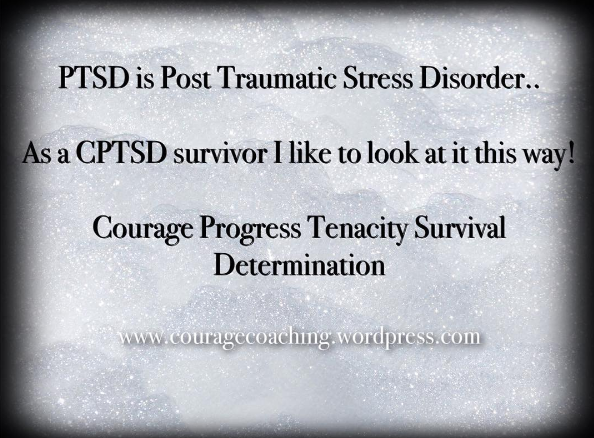
CPTSD= Courage Progress Tenacity Survival Determination

mychildwithin-healing_from_trauma-%e2%80%a2s-instagram-photos-and-videos4

Healing from PTSD is tough! Healing from Complex PTSD is even tougher.

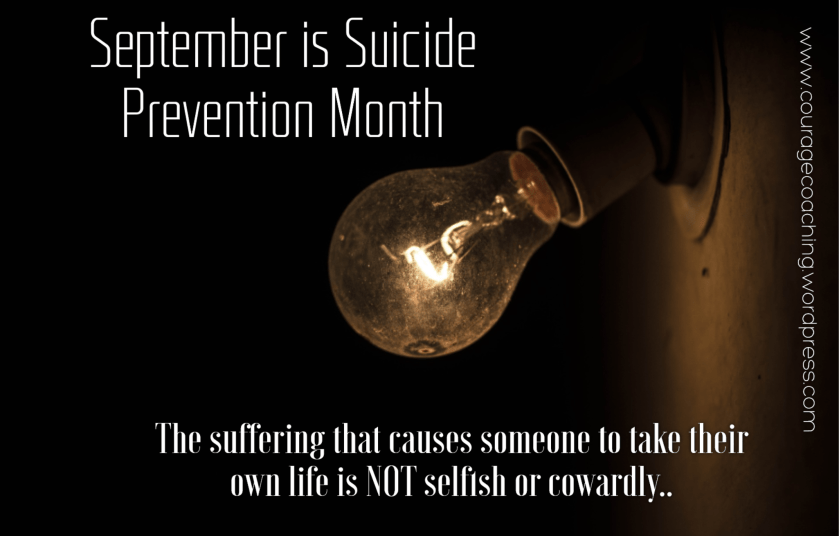
In honour of World Suicide Prevention Awareness Day, I want to tell every single one of you survivors out there that you can look at your PTSD & CPTSD differently, just for today! ♥

C-PTSD = COURAGE PROGRESS TENACITY SURVIVAL DETERMINATION

Love ♥ Athina

© All blog posts and images are owned by me and Courage Coaching. Please don’t use without consent and only re-blog if you would like to use the information on here.
 

September 10th-World Suicide Prevention Day

fontcandy-3

YouTube video:Is it possible to completely cure Complex PTSD?Tips for a better chance at healing.

I hope you are all enjoying your weekend to the best of your ability.To those of you struggling at the moment, I hope you are doing ok and reaching out for support. The blogging community is filled with wonderful, caring people and it is important to keep this community positive and encouraging. To those of you who need it, I am sending you a big hug! ♥ Take it one step at a time ♥

As some of my regural readers know, I am off to London tomorrow until Thursday to visit family and friends, while my husband is away for work.My Youtube videos are usually posted every Monday, however due to the fact I am off to London tomorrow, I decided to do this one a little earlier.

I talk about Complex PTSD once again, as there are so many of you who suffer with it and I am pretty sure that you need some hope, to keep fighting it and keep moving forward. Through lots of research and from my own personal experience, I talk about the most helpful things you can do to support your healing.

Much love Athina ♥

© All blog posts and images are owned by me and Courage Coaching. Please don’t use without consent and only re-blog if you would like to use the information on here.

Can’t afford Coaching or Therapy? Then try Co-counseling :-)

Apologies for not having posted since Friday..My laptop has been very slow so I have found it extremely hard getting stuff done on it.

In this post I would like to introduce Co-coaching to those of you who have never heard of it..

My YouTube video explains it in more detail and by watching it you can find out more about it. Hint hint 😉

I would love it if this post could reach as many people as possible, so please share away 😉

This is something you can practice with a friend or partner..

It’s free, it helps with personal growth, relieves stress and provides you with a weekly outlet for all your pent up emotions or thoughts.

So what are you waiting for ?

Help me spread awareness on Co-counseling 🙂

Love Athina ♥

© All blog posts and images are owned by me and Courage Coaching. Please don’t use without consent and only re-blog if you would like to use the information on here.

Poor sleep-One of many side effects of CPTSD, anxiety & depression

Are you somebody who struggles to sleep well and ends up waking up exhausted in the morning rather than refreshed? Do you find that you often have vivid stress dreams which can at times disrupt your sleep in the middle of the night?

fairy-tale-1180921_1920

If you are someone who also struggles with depression, anxiety or (C)PTSD, then this will no doubt have an impact on your quality of sleep.

Both anxiety & depression, involve a thinking style known as ruminating. Ruminating means that we go over the same thoughts over and over again,without any resolution. These thoughts are usually negative and if they aren’t resolved with some sort of action, they will then possibly play out in our dreams at night.

Apparently is has been stated that a memory is composed of a situation or thought, the emotions experienced from that situation or thought and then the actions taken. If something happened during the day for example, that was upsetting but you weren’t able to resolve the situation in some way, then this will most likely linger until you go to bed. Since ruminating means that our thoughts and emotions are stuck in a repetitive loop, we will then most likely have an anxiety dream, in which we will try and find a resolution to our initial problem. Our mind just isn’t able to switch off properly until our problem has been solved.

So basically, if you have had a stressful day and there is still stuff that needs to be resolved, you will then most likely be doing this in your sleep as well. Since stress and anxiety can be exhausting during the day, then it is pretty similar at night too.If the brain doesn’t get a chance to ‘switch off’ or relax at night, then you can understand why the quality of your sleep is compromised.

This causes a vicious cycle which looks a bit like this :

Worrying/Rumination → Poor sleep quality → Increase in stress during the day & trouble coping → Worrying/Rumination → Poor quality sleep  .. etc

Too much ruminating can lead to feeling helpless. If you are too focused on the problem you are ruminating about, you tend to get stuck and this affects your actual problem solving skills.

A few tips to calming your worrying mind at night:

  • Try and resolve the problem before going to bed (if this is possible).
  • Talk to a friend or family member about your worries (A different point of view might do wonders)
  • Write down your troublesome thought/s on a piece of paper or type up a document on the computer..This might help you find a solution, by seeing your thoughts clearly written in front of you..
  • Another thing you can do is write a priority list (if your worries are work related). By organising your time and managing your tasks into more urgent, less urgent etc..this might help you relax more.
  • Think about what is in your control and what isn’t..If it isn’t in your control, then try to ‘let it go’..
  • If you are still not able to sleep, use lavender oil on your pillow and find some self-hypnosis tracks you can listen to while lying in bed..


What are your thoughts on this? Are you someone who suffers with ruminating and poor quality sleep?  Do you also suffer with a mental illness? How often would you say you have anxiety dreams on average? Twice a week or more?

Love Athina ♥

© All blog posts and images are owned by me and Courage Coaching. Please don’t use without consent and only re-blog if you would like to use the information on here.


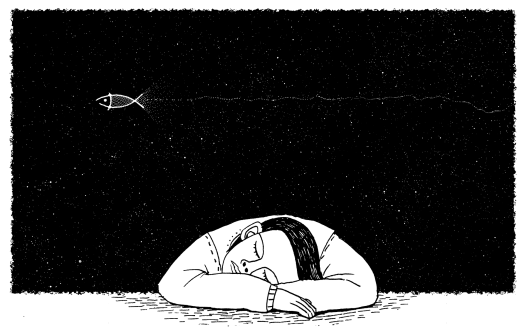
The importance of feeling our feelings

a6d7f1c996ab656267d279e27cbb667e

If we were able to count how many times we avoided our own suffering, I think we would fail miserably..

We have all at some point avoided emotions that are uncomfortable, by distracting ourselves, by numbing ourselves and by completely ignoring what is really going on..

This makes complete sense..Humans don’t like suffering..

By avoiding pain, we are temporarily soothing ourselves so we can better cope with what is bubbling under the surface. We might drink alcohol, do drugs, eat too much food, watch too much tv or spend too much time on the internet. We might develop addictions to numerous things and not even realise it.This is how we cope and in society at the moment, a huge percentage of us are addicted to the internet. If we are feeling down, we go online to search for clues as to what might make us feel better.If we are lonely, we announce it to the world on social media to get attention, instead of just reaching out to a caring friend. If we are happy, we also go online and share it with the world, instead of just enjoying the moment.

Since the focus of this post is on uncomfortable feelings, we need to acknowledge how often we avoid them..How will we ever grow and better ourselves if we constantly hide behind our suffering?

Distractions are good sometimes, don’t get me wrong..and also connecting with people online, blogging, watching videos etc..The important thing to remember is however, that we still need to be aware of what we still need to improve or change in our lives and actually do it!

For those of us who suffer with a mental illness, it is even more challenging to not run from suffering..Especially if it is a constant part of our lives to feel really low, anxious, terrified, lonely etc..If we have a history of trauma, no matter how much we try to ‘numb ourselves’, this will eventually start seeping out..

If we have been made to feel small, unimportant or ashamed in our childhood, then this will be incredibly tough to run from or avoid..We will feel it in the depth of our being..It will reveal itself in every step forward we may try to take..No matter what we do in our life, we will never feel good enough, lovable enough, deserving enough..It is a tough reality to bare..

Avoiding our feelings gives us temporary relief but with a whole life ahead of us, this isn’t enough..

If you are suffering at the moment, then face the pain..cry…ask for a hug..have human contact..Talk to someone who will genuinely listen..Don’t bury your suffering inside a tv or by reading about how you can make it better on numerous sites….This can also become addictive..gathering information about a certain area constantly but without actually taking any actions to improve that area of our suffering, is also avoiding pain..

Yes, of course we need validation for our suffering but make sure that you are making progress..If you want to deal with your anxiety, then take active steps to improve this..Talk to a qualified Coach or Therapist..Practice daily positive affirmations..Take ACTUAL STEPS to accept and manage your feelings..ACCEPTANCE is very important but ACTION is too!

If you want to change jobs but feel too scared, then face your discomfort head on and start applying for new ones..Attend interviews..Keep trying..

If you are scared of heights but would love to go trekking, then find a way to face your fear..

The list goes on..and applies to many areas of our lives..

No matter what uncomfortable feelings you are avoiding, face them..The longer you avoid them, the longer they will remain..

We have to face discomfort..

We have to face reality..

We have to face our fears..

This is how we will grow..heal..get better

This is how we will improve our confidence, reduce our suffering and release our fears..

and lastly, if a situation is unchangeable due to our lack of control over it,  learn to ACCEPT it for what it is..

Love Athina ♥

© All blog posts and images are owned by me and Courage Coaching. Please don’t use without consent and only re-blog if you would like to use the information on here.