Question & Answer- YouTube videos

Today I am starting off my series of Q & A videos, where my viewers and subscribers are able to get their questions answered by me, in a video each week. Please feel free to ask me questions on the following topics:

  • Complex PTSD
  • Narcissistic abuse
  • Dysfunctional relatioships
  • Negative thinking
  • Dealing with emotional flashbacks
  • Anxiety
  • Depression
  • Trauma Bonding
  • Toxic shame
  • Codependency

I also am happy to answer questions on how to :

  • Better manage your time
  • Practice self-compassion
  • Develop resilience
  • Stop self-defeating thinking patterns
  • Better manage your workload
  • Build confidence
  • Set boundaries
  • Deal with toxic people

Here is the first video on a question asked by one of my viewers:

Please note: **I will always keep the identity of my viewers confidential**

Thanks for reading and watching

Love Athina ♥

© All blog posts and images are owned by me and Courage Coaching. Please don’t use without consent and only re-blog if you would like to use the information on here.

 

How to deal with negative emotions

Happy Monday dear followers & friends,

I have been busy making & editing youtube videos for the last few days, as towards the end of the month I will be very busy studying. I am trying to do videos on topics that people have emailed me about and today’s video is based on a question from a YouTube Subscriber.

Dealing with negative emotions is something everyone can relate to and is something that nobody wants to face in this life. Unfortunately, every single one of us has constant experience with negative or uncomfortable emotions.

I have already written a blog post about the main point I make in the video below: https://couragecoaching.wordpress.com/2016/08/04/the-importance-of-feeling-our-feelings/

In the video I talk about the importance of dealing with negative emotions in the healthiest way.

This healthiest way, is something that has already helped many people who have had coaching and psychotherapy and  I am offering it in this video for free.

I really hope it is helpful and makes sense. If you think it might help others, please re-blog or share it on social media.

Love Athina ♥

© All blog posts and images are owned by me and Courage Coaching. Please don’t use without consent and only re-blog if you would like to use the information on here.
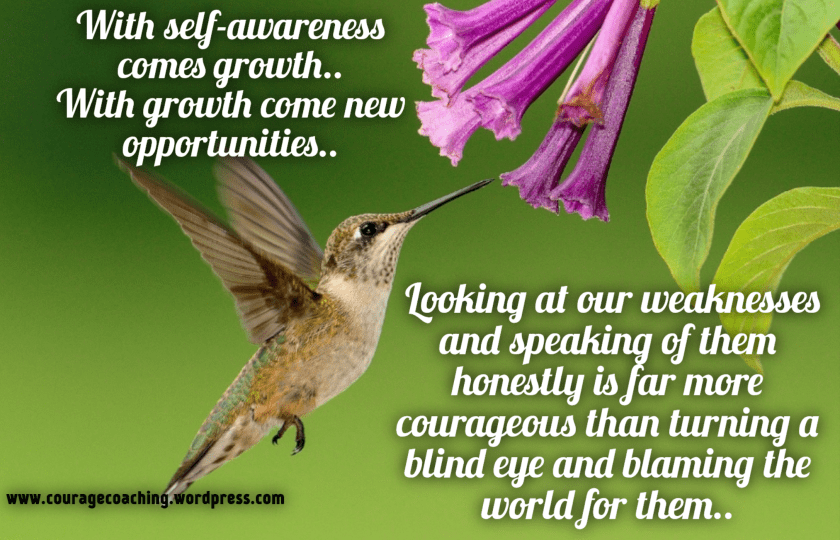
Acknowledging our weaknesses

fontcandy-12

How many of you find it easy to admit to your weaknesses? How often do you struggle with admitting a weakness to a friend or partner or even to yourself?

Do you ever feel a sting when a close person in your life points out a weakness that you weren’t aware you had? Or maybe it is just that person’s opinion but not your own? It’s tough knowing sometimes, whether we actually have that weakness that this person is pointing out to us..Is the sting we feel trying to tell us that maybe it is actually true?!

What one person considers a weakness doesn’t mean that the other person thinks so too..

For example, I may think that it is a weakness for someone to expect me to be perfect, when I am actually completely comfortable being less than perfect. It is not my problem this other person needs perfection from those around him, including me. I personally find the need to be perfect exhausting, therefore I am more happy to give everything my best shot and even if it doesn’t turn out amazingly, at least I tried.

Another point worth mentioning, is the difficulty some of us may have when it comes to admitting fault or weakness, because we actually fear what others think of us. If we are actually perfectionists by nature and set ourselves high standards all the time, then to admit that we have actually failed at something is out of the question. It is in this very case, I believe, that we need to work more on ourselves. Our own thoughts and the way we see the world, can either make our life more fulfilling or severely limiting. Some of us also may find criticism excruciatinly painful, because deep down we know we are flawed, wrong or not good enough. This may be because of negative programming in our childhood or from pressure to always show our best and most socially acceptable side.

Accepting and embracing our weaknesses, increases our awareness of where we might be limiting ourselves.

If someone has harmed us and this has impacted us in a destructive way, then this is slightly different. We have a right to be angry and put the blame where it belongs (in the case of murder,domestic abuse, child abuse etc). Working through grief about the unfotunate things that happen to us in life, is necessary for healing. Despite this though, we are still in charge of how we deal with whatever life has dealt us. It is always up to us to work hard at making changes in the areas we suffer with the most.We can either be a victim and sit back and point fingers at everyone else or we can take responsibility and take small steps to creating opportunities from our challenges.

Love Athina ♥

© All blog posts and images are owned by me and Courage Coaching. Please don’t use without consent and only re-blog if you would like to use the information on here.
To all my wonderful subscribers..

Happy Sunday lovely people,

I just wanted to write a quick post today to let you know that although I haven’t been interacting much with a lot of my subscribers and the people I myself follow, I aim to do this over the next few days, as every single one of you is important to me.

WordPress unfortunately doesn’t show everyone’s posts in my reader and I also don’t get everyone’s posts in my email, although have subscribed to them.

I aim to go through every single one of your blogs and catch up on reading your content.

I also want to thank all the recent people who have subscribed to my blog and will look forward to getting to know you.

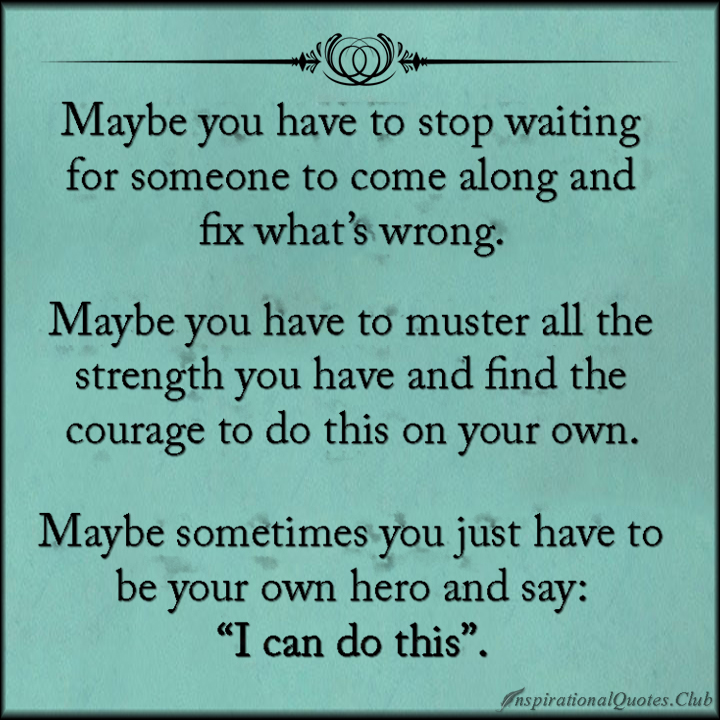
I will leave you with this inspirational photo.

inspirationalquotes-club-waiting-fix-wrong-strength-courage-own-hero-inspirational-encouraging-motivational-unknown

Enjoy the last day of your weekend.

Love Athina ♥

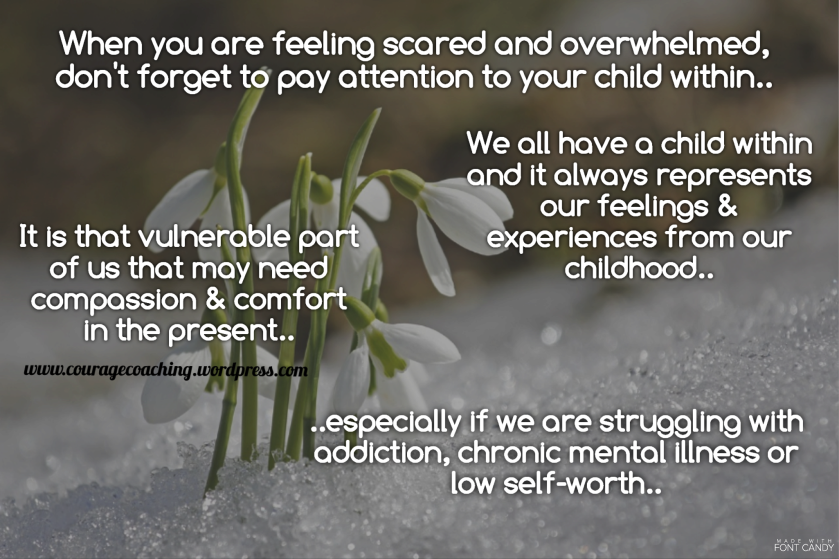
Our child within

fontcandy-11

Love Athina ♥

© All blog posts and images are owned by me and Courage Coaching. Please don’t use without consent and only re-blog if you would like to use the information on here.
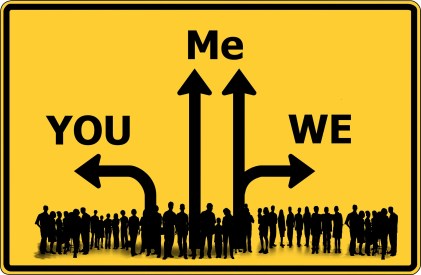
Being selfish the right way

i-67355_1920

‘Selfish’ means that you care enough about yourself to get your needs met; selfishness is a choice.

On the other hand, when you think about being ‘needy’, this means that your unmet/unknown needs motivate you — there’s no choice. This is when you become a people-pleaser and you lack the assertiveness to say no.

This isn’t where you want to be in this journey called life.

Selfish does not mean to focus exclusively on yourself — it just means that you easily can when you need to.

Selfish does not mean you become an irresponsible 4 year old, who does whatever he/she wants and ignores the needs of their family or their work.

Selfish means that you learn to love, value, accept, forgive, be true to, and care for yourself fully and wholeheartedly. 

Healthy selfishness feels like taking a risk because you might have been brought up to believe that being selfish is a bad thing. However, healthy selfishness simply means you do not disregard yourself to please others or to support others at your own expense. Healthy selfishness means that you practice self-love and self-care.

How do you see yourself? Do you practice healthy selfishness?

I’d love to hear your experiences..

Love Athina ♥♥

© All blog posts and images are owned by me and Courage Coaching. Please don’t use without consent and only re-blog if you would like to use the information on here.


Recovery from abuse- 3 basic stages & how to identify whether you have reached the acceptance stage of recovery

Happy Monday fellow bloggers. This is quite a late post, so I hope it reaches some of you.

I have just done another video on YouTube, where I talk about the 3 main stages of recovery that someone goes through, in particular concerning the recovery from childhood narcissistic abuse. I also talk a little bit about the acceptance stage of recovery, which I personally found the toughest in my own recovery.

Acceptance that you parents weren’t able to love you unconditionally, is a painful, rejecting reality. It is easier to spend most of your adult life being in denial of this, as it is such an incomprehensible reality to accept.

Once you are able to reach this stage of acceptance however, you feel like a huge burden has been lifted off you.

I wish all of you who struggle with this sort of realisation, to be able to finally reach this stage one day.

Love Athina ♥

© All blog posts and images are owned by me and Courage Coaching. Please don’t use without consent and only re-blog if you would like to use the information on here.

Symptoms of anxiety that you may not know about

Anxiety can affect our body in so many ways that sometimes it is very hard to differentiate  between anxiety or something much more serious.Some symptoms are exactly the same as symptoms caused by more serious health problems, so how do we tell the difference? 

It is usually helpful to get check ups with a doctor to rule out anything more serious but most of the time, a doctor can tell you if what you are experiencing is caused by anxiety.

angst-807726_960_720

The below symptoms were directly sourced from: www.anxietycentre.com This website is the most helpful and detailed website out there regarding anxiety, that I have recommended to clients, those suffering from an anxiety disorder & also therapists.

This would be useful, to anybody out there who suffers with Generalised Anxiety, OCD, phobias, panic disorder, PTSD, CPTSD & Social Anxiety.

This website, helped me identify a lot of my own anxiety symptoms several years ago, when I was in a constant state of hyperarousal and anxiety. Shortly after this period, I was diagnosed with Complex PTSD, which finally gave me more insight into my condition.

The symptoms list on this website, were very validating for me at a time that I literally felt like I was going crazy with anxiety.

I personally have experienced the following symptoms, in addition to the most well-known symptoms that most people know about.

  • Eye problems, vision symptoms
  • Eyes sensitive to light
  • Tingling & numbness in arms
  • Frequent urination
  • Bad taste in the mouth and anxiety
  • A tinny, metallic, or ammonia, or unusual smell or taste
  • Depersonalization
  • Derealization
  • Brain fog
  • Tremors

Which of these symptoms have you experienced from your anxiety disorder?

Below is a detailed list of all the symptoms associated with an anxiety disorder. Did you ever think there were this many?

Body Anxiety Symptoms:

  • Back pain, stiffness, tension, pressure, soreness, spasms, immobility in the back or back muscles
  • Blanching (looking pale, loss of color in the face or skin)
  • Blushing, turning red, flushed face, flushed skin, blushing, red face or skin
  • Body aches, parts of or your entire body feels sore and achy, feels like your body and muscles are bruised
  • Body jolts
  • Body zaps
  • Body shakes
  • Body trembling, shaking, anxiety symptoms
  • Body tremors
  • Body temperature increase or decrease, change in body temperature
  • Brain zaps
  • Burning skin, itchy, crawly, prickly or other skin sensations, skin sensitivity, numbness on the skin
  • Burning skin sensation on the face, neck, ears, scalp, or shoulders
  • Buzzing sensation in the feet, toes, hands, fingers, arms, legs
  • Chest pain anxiety symptoms
  • Chest pains anxiety symptoms
  • Chest tightness feeling
  • Choking
  • Choking feeling in throat
  • Chronic Fatigue, exhaustion, super tired, worn out
  • Chronic pain and anxiety
  • Clumsiness, feeling clumsy, co-ordination problems with the limbs or body
  • Cold chills, feeling cold all the time
  • Cold flashes, flash
  • Cold hands and feet
  • Craving sugar, sweets, chocolate, usual craving for sugar and sweets
  • Crazy thoughts
  • Difficulty speaking, moving mouth, talking, co-ordination problems with the mouth or tongue
  • Dizziness, feeling lightheaded, dizzy, feeling dizzy
  • Electric shock feeling, body zaps
  • Excess of energy, you feel you can’t relax
  • Falling dropping sensation
  • Feeling faint
  • Feel ill and sick, yet can’t describe how you feel but that you feel ill in some way
  • Feel like you are going to pass out
  • Feel cold, chilly, cold all the time
  • Feel wrong, different, foreign, odd, or strange
  • Feels like floor is moving, swaying
  • Flu-like symptoms, feel sick or ill, feel like you are coming down with the flu
  • Flushed face, red face, flushed skin
  • Frequent urination
  • Frequent urination at night
  • Frequent urination in men
  • Hair loss, hair is thinning, or clumps of hair are falling out, balding
  • Headaches, migraine headaches, anxiety headaches
  • Head and Brain Zaps
  • Head and brain zaps – medication causes
  • Heart palpitations, racing heart
  • Hot flash, flashes
  • Hyperactivity, excess energy, nervous energy
  • Hypersensitivity; super sensitive nerves, hearing, touch, tastes
  • Increased or decreased sex drive
  • Infection – increased infections, persistent infection
  • Motion sickness feeling
  • Mouth or throat clicking or grating sound/noise when you move your mouth or jaw, such as when talking
  • Muscle tension, stiffness, aches, pains
  • Muscles that vibrate, jitter, tremor, or shake when used
  • Muscle twitching
  • Muscle weakness
  • Nausea
  • Nausea vomiting
  • Neck, back, shoulder tension and stiffness
  • Neck tension
  • Nervous cough
  • Night sweats, waking up in a sweat, profusely sweating at night, anxiety night sweats
  • No energy, feeling lethargic, tired, exhausted, chronic fatigue
  • Numb tinging hands
  • Numbness
  • Numbness tingling, numbness and tingling
  • Numbness and tingling fingers
  • Numbness and tingling, and other skin sensations on hands, feet, face, head, or any other places on the body
  • Pins and needles: all over, in the hands and feet, fingers, left arm, etc.
  • Pounding heart, heart feels like it is beating too hard
  • Pulsing or throbbing muscles. Pulsing or throbbing sensation
  • Racing heart, heart palpitations
  • Red skin, skin looks like or is turning red
  • Rib or rib cage tightness, pressure, or feeling like a tight band around the rib cage
  • Sexual Dysfunction, sexual uninterest
  • Shaking anxiety feelings
  • Shooting pains anxiety symptoms
  • Shooting pains, stabbing pains, and odd pressures in the neck, head, or face
  • Shooting pains in the face
  • Shooting pains in the scalp or head
  • Skipped heart beats
  • Sore or tight scalp, headaches, neck tension
  • Startle easily
  • Sweating, profuse, excessive, uncontrollable sweating
  • The floor feels like it is moving either down or up, swaying
  • Tightness in the ribs or rib cage area, may also feel like a tight band around the ribs or rib cage area.
  • Tingling numb hands
  • Tingling, tingly, pins and needles sensations – anywhere on the body, including the hands, feet, legs, arms, head, mouth, chest, groin area
  • Throat or mouth clicking or grating sound/noise when you move your mouth or jaw, such as when talking
  • Trembling, shaking, tremors
  • Twitching
  • Unsteadiness, dizziness, feeling dizzy or lightheaded
  • Urgency to urinate, sudden urge to go to the washroom, sudden urge to pee
  • Warm spells
  • Weak – feel weak, weakness, low energy, light, soft, like you may faint
  • Weak legs, arms, or muscles
  • Weak limbs/extremities
  • Weight gain; sudden weight gain
  • Weight loss; sudden weight loss

Fears Anxiety Symptoms:

  • A heightened fear of what people think of you
  • Afraid of being trapped in a place with no exits
  • Constant feeling of being overwhelmed.
  • Fear of being in public
  • Fear of dying
  • Fear of losing control
  • Fear of impending doom
  • Fear of making mistakes or making a fool of yourself to others
  • Fear of passing out
  • Fear that you are losing your mind
  • Fears about irrational things, objects, circumstances, or situations
  • Fears of going crazy, of dying, of impending doom, of normal things, unusual feelings and emotions, unusually frightening thoughts or feelings
  • Feeling afraid all the time
  • Heightened self awareness, or self-consciousness
  • Need to find nearest washrooms before you can feel comfortable
  • Need to sit near exits

Head Anxiety Symptoms (associated with the head):

  • Anxiety headaches, migraines headaches
  • Brain fog
  • Burning, itchy, tight scalp
  • Dizziness or light-headedness
  • Frequent headaches, migraine headaches
  • Feeling like there is a tight band around your head, pressure, tightness
  • Hair loss, hair is thinning, or clumps of hair are falling out
  • Having a humming, droning, rumbling, throbbing, vibrating-like, hissing, fizzing, or other types of sounds in your head
  • Headaches, migraines
  • Head, neck or shoulder tightness, stiffness, or pain
  • Head zaps, head tremors. brain zaps
  • Giddiness
  • Numbness
  • Numbness tingling, numbness and tingling
  • Shooting pains, stabbing pains, and odd pressures in the neck, head, or face
  • Shooting pains in the face
  • Shooting pains in the scalp or head
  • Tingling in Head
  • When you close your eyes you feel like are beginning to, or will, float upwards
  • Sore jaw that feels like a tooth ache
  • TMJ (Temporo-Mandibular Joint) – clenching of the jaw or grinding of the teeth

Heart Anxiety Symptoms (associated with the heart):

  • Chest pain or discomfort
  • Chest pains anxiety symptoms
  • Concern about the heart
  • Find it hard to breath, feeling smothered, shortness of breath
  • Frequent yawning to try and catch your breath
  • Heart attack or anxiety attack (panic attack)
  • Heart Palpitations – beating hard or too fast, rapid heartbeat
  • Heart – Irregular heart rhythms, flutters or ‘skipped’ beats, tickle in the chest that makes you cough
  • Pounding heart, heart feels like it is beating too hard
  • Radiating pain in the left shoulder and arm
  • Shooting chest pains
  • Shortness of breath
  • Stabbing pains in the back, fear heart problem
  • Tight band around the chest, fear heart problem

Mind Anxiety Symptoms (associated with the mind and thinking):

  • Afraid of everything
  • Altered state of reality, consciousness, or universe feeling
  • Brain Fog
  • Crazy thoughts
  • Deja Vu, a feeling like you’ve done or experienced something before
  • Depersonalization
  • Derealization
  • Desensitization
  • Difficulty concentrating, short-term memory loss
  • Difficulty speaking
  • Difficulty thinking
  • Disorientation
  • Easily distracted
  • Fear of going crazy
  • Fear of losing control
  • Fear of impending doom
  • Feelings of unreality
  • Frequent feeling of being overwhelmed, or that there is just too much to handle or do
  • Having difficulty concentrating
  • Memory loss
  • Nightmares, bad dreams
  • Obsession about sensations or getting better
  • Slow motion feeling
  • Repetitive thinking or incessant ‘mind chatter’
  • Short-term learning impairment, have a hard time learning new information
  • Short-term memory impairment, can’t remember what I did a few days, hours, or moments ago
  • Spaced out feelings, feeling spaced out
  • “Stuck” thoughts; thoughts, mental images, concepts, songs, or melodies that ‘stick’ in your mind and replay over and over again.
  • Trapped in your mind feeling
  • Underlying anxiety, apprehension, or fear
  • You often feel you are carrying the world on your shoulders

Mood Symptoms; Emotion Symptoms (associated with mood, emotions, and feelings):

  • Always feeling angry and lack of patience
  • Chronic Fatigue Anxiety Symptom, Syndrome
  • Depersonalization
  • Depression
  • Dramatic mood swings
  • Emotionally blunted, flat, or numb
  • Emotions feel numb; emotionally numb
  • Emotional flipping (dramatic mood swings)
  • Emotions feel wrong
  • Everything is scary, frightening
  • Feeling down in the dumps
  • Feeling like things are unreal or dreamlike
  • Frequently being on edge or ‘grouchy’
  • Frustration, frustrated, anxiety frustration
  • Feel like crying for no apparent reason
  • Have no feelings about things you used to
  • Irritability, irritated, easily annoyed
  • Mood swings
  • Not feeling like yourself, detached from loved ones, emotionally numb
  • Underlying anxiety, apprehension, or fear
  • You feel like you are under pressure all the time

Mouth, Voice, Stomach, and Digestive System Anxiety Symptoms (associated with the mouth, voice, stomach, and digestive system):

  • Bad taste in the mouth and anxiety
  • A tinny, metallic, or ammonia, or unusual smell or taste
  • Aerophagia (swallowing too much air, stomach distention, belching)
  • Burning mouth, feeling like the inside of your mouth is burning, or tingling, or like pins and needles, or all of these together or at different times
  • Burping, belching, frequent or excessive burping and belching, gas
  • Burning tongue, feeling like your tongue is burning, or tingling, or like pins and needles
  • Choking
  • Constant craving for sugar or sweets
  • Constant lump in the throat feeling
  • Constipation
  • Diarrhea
  • Difficulty swallowing
  • Difficulty talking, pronouncing certain letters or sounds, mouth feels like it isn’t moving right, slurred speech
  • Dry mouth
  • Esophageal spasms
  • Feeling like you can’t swallow properly or that something will get caught in your throat
  • Feeling like your tongue is swollen
  • IBS
  • Lack of appetite, Loss of appetite
  • Lump in the throat, tight throat, something stuck in your throat
  • Mouth muscles twitching/jumping
  • Mouth or throat clicking or grating sound/noise when you move your mouth or jaw, such as when talking
  • Nausea
  • Nausea vomiting
  • Nausea or abdominal stress
  • Nervous stomach
  • Stomach upset, gas, belching, bloating
  • Teeth grinding
  • The thought of eating makes you nauseous
  • Tight throat, lump in throat
  • Throat or mouth clicking or grating sound/noise when you move your mouth or jaw, such as when talking
  • TMJ
  • Tongue symptoms – Tingly, stretched, numb, frozen, itchy, crawly, burning, twitching, jumpy, aching, sore, or swollen tongue (when it isn’t).
  • Urgency to urinate, frequent urination, sudden urge to go to the washroom
  • Voice changes: shaky, crackly, raspy, unsteady, hoarseness, broken, cracked, weak, random pitch, uneven tone, loss of voice, etc.
  • Vomiting

Skin Anxiety Symptoms (anxiety symptoms associated with the skin):

  • Burning itching skin (hands, feet, face, lips, etc.)
  • Burning skin sensations, skin sensitivity
  • Itching burning skin but no rash
  • Numbness
  • Numbness tingling, numbness and tingling
  • Red skin, looks like your skin is red or turning red for no reason
  • Skin feels cold, wet
  • Skin problems, infections, rashes

Sleep Anxiety Symptoms (anxiety symptoms associated with sleep and sleep problems):

  • Difficulty falling or staying asleep
  • Frequent bad, bizarre, or crazy dreams
  • Hearing sounds in your head that jolt you awake
  • Insomnia, or waking up ill in the middle of the night
  • Jolting awake
  • Waking up in a panic attack
  • You feel worse in the mornings

Sight Anxiety Symptoms (anxiety symptoms associated with the eyes and sight):

  • Distorted, foggy, or blurred vision
  • Dry, watery or itchy eyes
  • Eye tricks, seeing things our of the corner of your eye that isn’t there, stars, flashes
  • Eye problems vision symptoms
  • Eyes sensitive to light
  • Spots in the vision
  • Flashing lights when eyes are closed
  • Your depth perception feels wrong

Touch Anxiety Symptoms (anxiety symptoms associated with the sense of touch):

  • Burning skin sensations, skin sensitivity
  • Feeling cold or chilled
  • Numbness
  • Numbness tingling, numbness and tingling
  • Pain
  • Pins and needles: all over, in the hands and feet, fingers, left arm, etc.


Love Athina ♥

© All blog posts and images are owned by me and Courage Coaching. Please don’t use without consent and only re-blog if you would like to use the information on here.


Supporting others through adversity the right way

Today’s video is important because it raises awareness on the importance of what we say to others currently facing adversity. When someone is suffering with mental health issues, has just found out some terrible news or is drowning in grief, the last thing they want to hear is what someone thinks they should do in their situation.

Projecting our own beliefs onto someone who is suffering can sometimes be detrimental. Telling someone how we think they should feel at times of difficulty, can be very harmful.

Always speak with caution.

Love Athina ♥

© All blog posts and images are owned by me and Courage Coaching. Please don’t use without consent and only re-blog if you would like to use the information on here.

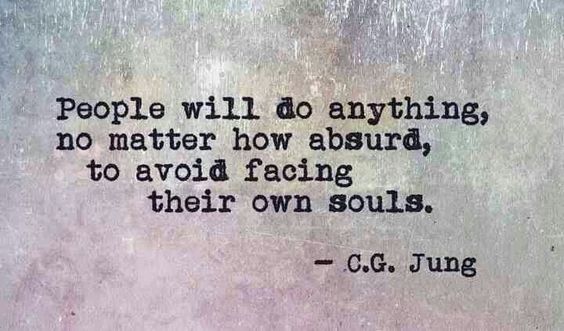
The importance of feeling our feelings

a6d7f1c996ab656267d279e27cbb667e

If we were able to count how many times we avoided our own suffering, I think we would fail miserably..

We have all at some point avoided emotions that are uncomfortable, by distracting ourselves, by numbing ourselves and by completely ignoring what is really going on..

This makes complete sense..Humans don’t like suffering..

By avoiding pain, we are temporarily soothing ourselves so we can better cope with what is bubbling under the surface. We might drink alcohol, do drugs, eat too much food, watch too much tv or spend too much time on the internet. We might develop addictions to numerous things and not even realise it.This is how we cope and in society at the moment, a huge percentage of us are addicted to the internet. If we are feeling down, we go online to search for clues as to what might make us feel better.If we are lonely, we announce it to the world on social media to get attention, instead of just reaching out to a caring friend. If we are happy, we also go online and share it with the world, instead of just enjoying the moment.

Since the focus of this post is on uncomfortable feelings, we need to acknowledge how often we avoid them..How will we ever grow and better ourselves if we constantly hide behind our suffering?

Distractions are good sometimes, don’t get me wrong..and also connecting with people online, blogging, watching videos etc..The important thing to remember is however, that we still need to be aware of what we still need to improve or change in our lives and actually do it!

For those of us who suffer with a mental illness, it is even more challenging to not run from suffering..Especially if it is a constant part of our lives to feel really low, anxious, terrified, lonely etc..If we have a history of trauma, no matter how much we try to ‘numb ourselves’, this will eventually start seeping out..

If we have been made to feel small, unimportant or ashamed in our childhood, then this will be incredibly tough to run from or avoid..We will feel it in the depth of our being..It will reveal itself in every step forward we may try to take..No matter what we do in our life, we will never feel good enough, lovable enough, deserving enough..It is a tough reality to bare..

Avoiding our feelings gives us temporary relief but with a whole life ahead of us, this isn’t enough..

If you are suffering at the moment, then face the pain..cry…ask for a hug..have human contact..Talk to someone who will genuinely listen..Don’t bury your suffering inside a tv or by reading about how you can make it better on numerous sites….This can also become addictive..gathering information about a certain area constantly but without actually taking any actions to improve that area of our suffering, is also avoiding pain..

Yes, of course we need validation for our suffering but make sure that you are making progress..If you want to deal with your anxiety, then take active steps to improve this..Talk to a qualified Coach or Therapist..Practice daily positive affirmations..Take ACTUAL STEPS to accept and manage your feelings..ACCEPTANCE is very important but ACTION is too!

If you want to change jobs but feel too scared, then face your discomfort head on and start applying for new ones..Attend interviews..Keep trying..

If you are scared of heights but would love to go trekking, then find a way to face your fear..

The list goes on..and applies to many areas of our lives..

No matter what uncomfortable feelings you are avoiding, face them..The longer you avoid them, the longer they will remain..

We have to face discomfort..

We have to face reality..

We have to face our fears..

This is how we will grow..heal..get better

This is how we will improve our confidence, reduce our suffering and release our fears..

and lastly, if a situation is unchangeable due to our lack of control over it,  learn to ACCEPT it for what it is..

Love Athina ♥

© All blog posts and images are owned by me and Courage Coaching. Please don’t use without consent and only re-blog if you would like to use the information on here.